How do we get students to engage with a text? With history itself? With civics?
The answer is not to make every lesson entertaining. Nor is it to convince students that every historical event should somehow revolve around them. The answer is to show why history and civics matter—not only to them personally, but to their communities, their country, and the world they are inheriting.
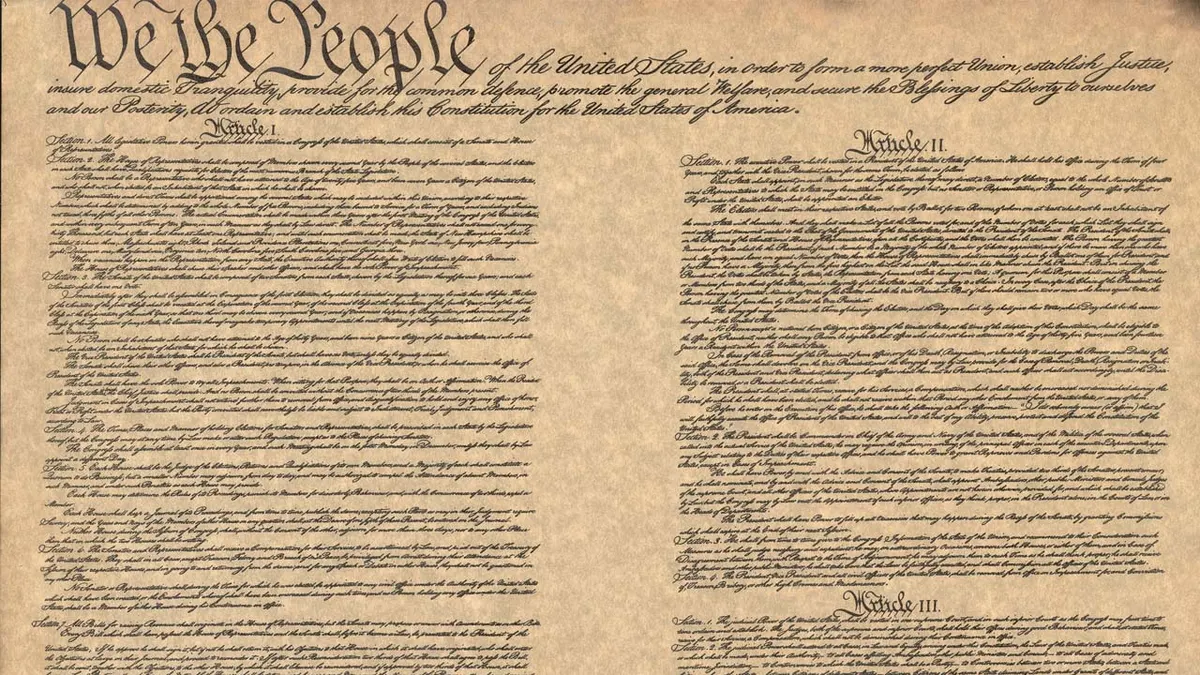
Recently, a teacher shared an exercise she uses to introduce the Declaration of Independence. She shows students the social media storm that erupted when, on the Fourth of July, portions of the Declaration were posted on X (formerly Twitter). Thousands reacted with outrage, convinced that the quotations promoted revolution or the overthrow of the government—without realizing they were reading the nation’s founding document.
It is a brilliant hook. Students immediately see that historical ignorance has real consequences. But once we’ve captured their attention, what comes next? How do we move from a viral controversy to genuine civic engagement?
That is the harder question.
Today’s educators are competing with an endless stream of distractions: social media algorithms, influencers, streaming platforms, and a political culture that increasingly rewards outrage over understanding.
We are also confronting something even more corrosive: a growing anti-intellectualism that celebrates certainty over inquiry and emotion over evidence. Worse still, there are political movements that thrive on these attitudes because an uninformed citizenry is easier to manipulate than an informed one.
Being an informed citizen has never been easy. Democracy demands work. It requires reading documents that are sometimes difficult, understanding ideas that resist simple slogans, questioning one’s own assumptions, and accepting that complex problems rarely have simple solutions. None of that is glamorous. Much of it feels unrewarded.
Yet that quiet, often invisible work is precisely what sustains free societies.
The American experiment has always depended on civic education.
From the nation’s earliest years, Americans understood that a constitutional republic could survive only if its citizens possessed enough knowledge to govern themselves.
Self-government was never meant to be self-executing. It required informed citizens capable of weighing evidence, debating ideas, understanding institutions, and holding leaders accountable.
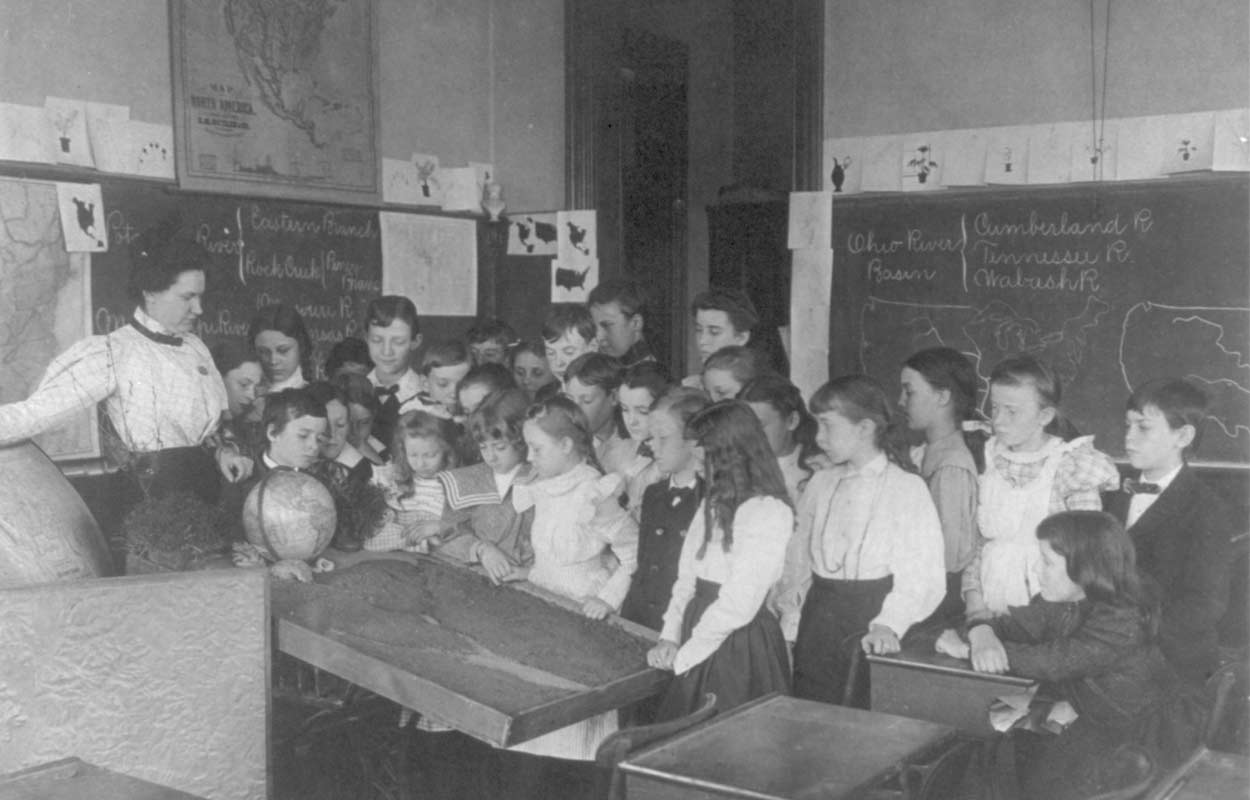
That conviction shaped generations of American education. The common school movement of the nineteenth century sought not only to teach literacy but to prepare future citizens for participation in republican government.
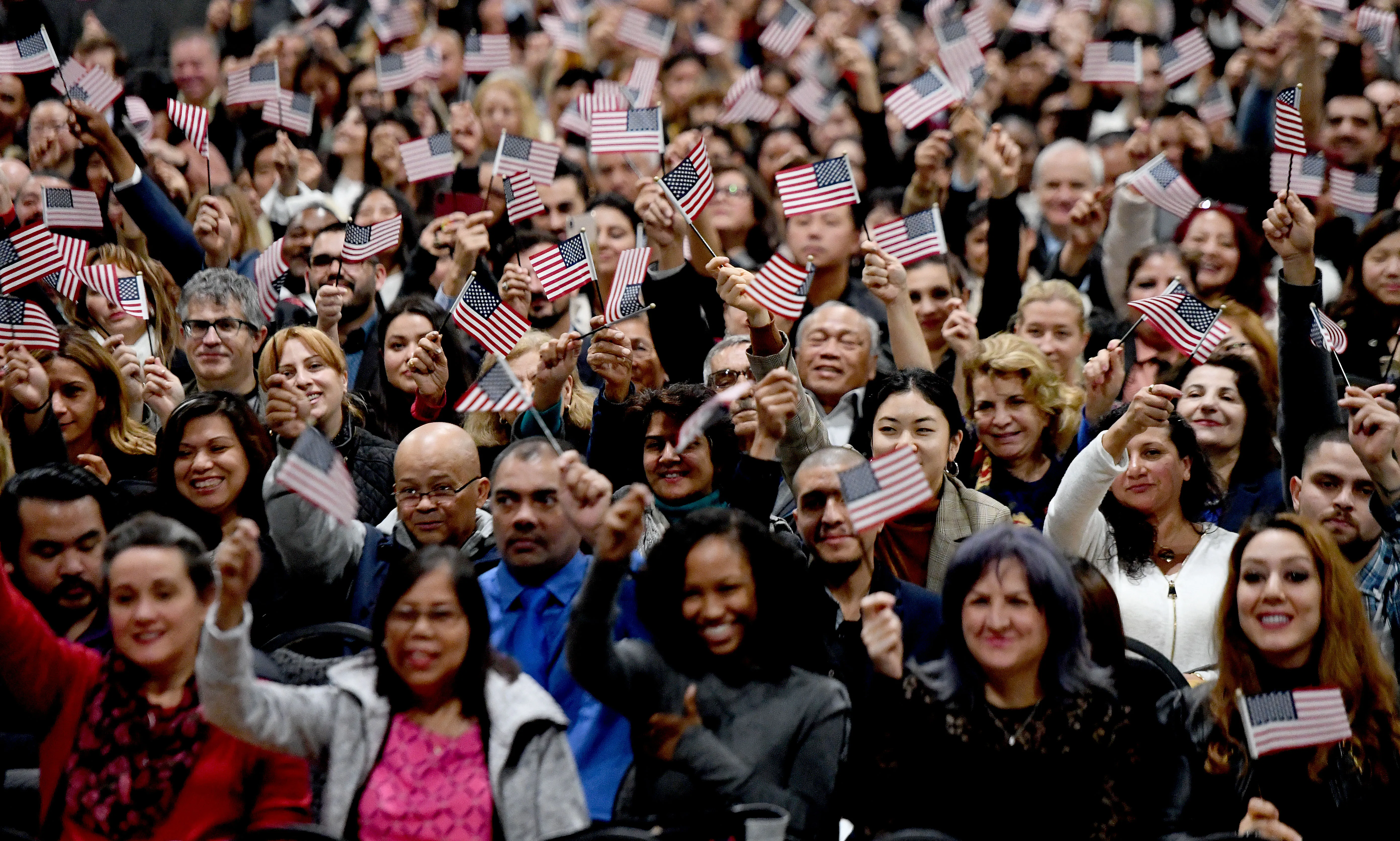
During the Progressive Era , schools increasingly emphasized civics as a means of integrating millions of immigrants into a shared democratic culture (that kind of civic nationalism intended to create American citizens) while preparing all students for participation in public life.
After World War II, the GI Bill dramatically expanded access to higher education, reflecting the belief that education strengthened not only individual opportunity but the nation itself.
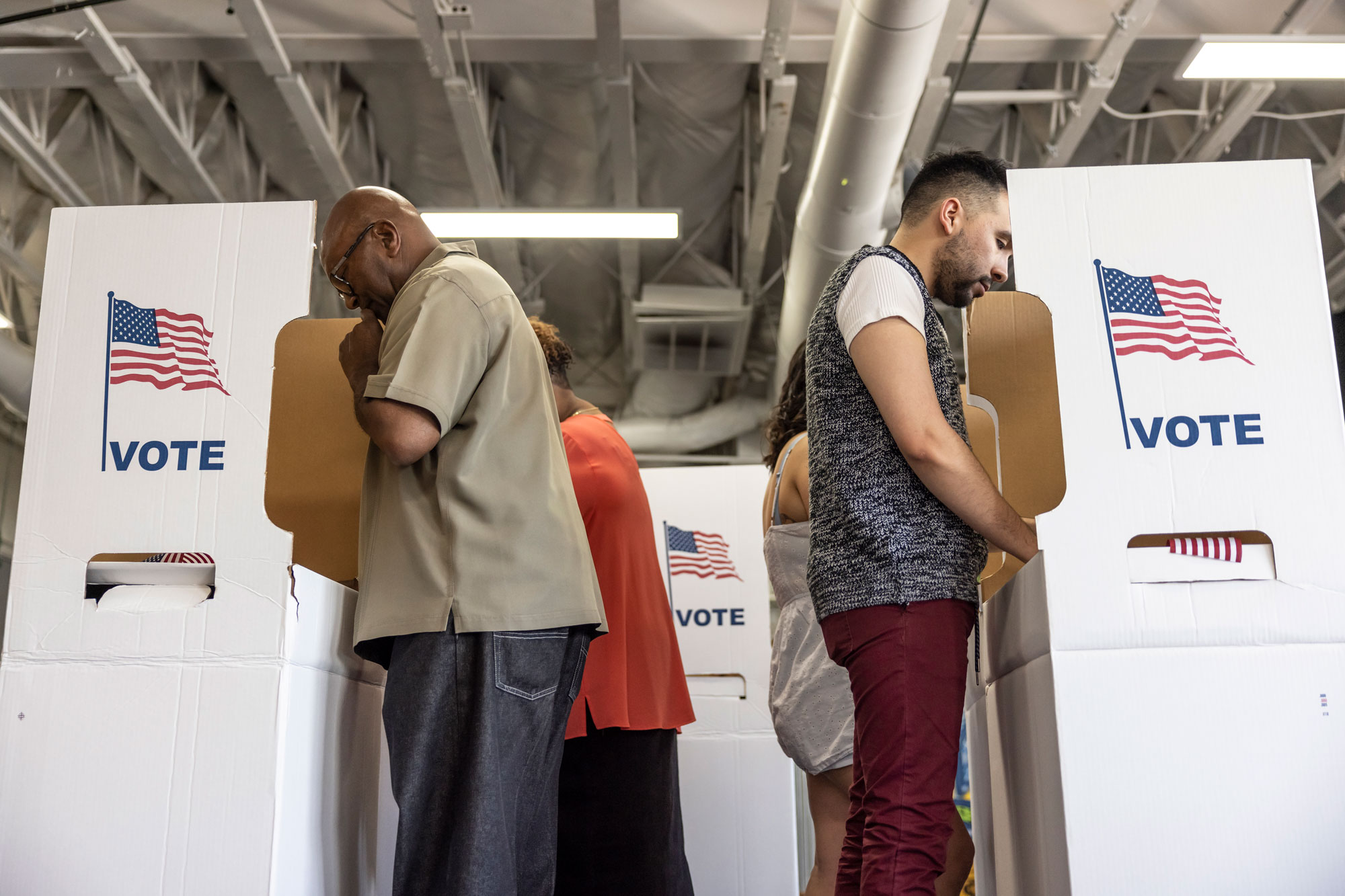
The United States was not built only by presidents, generals, inventors, or famous reformers. It was built by ordinary citizens who attended town meetings, argued over school budgets, served on juries, volunteered at polling places, joined volunteer fire departments, started churches and mutual aid societies, organized labor unions, formed abolitionist organizations, petitioned legislatures, established libraries, coached Little League teams, sat on local school boards, served in neighborhood associations, fought corruption in city halls, and volunteered after natural disasters.
Others answered the call to military service during times of war, while countless more simply raised families that valued honesty, responsibility, education, and public service.
Most never had monuments erected in their honor. Their names rarely appear in textbooks. Yet they are the people who made republican government work.
At the same time, our culture increasingly tells everyone that they must be the protagonist of every story. Everyone wants to be the hero—or the victim, or the villain—but always the center of the narrative. By all means- be the hero of your own story– but have the humility and intellectual curiosity to be interested in seeing and understanding beyond yourself and your primary community.
Education gradually absorbed that assumption. Decades ago, history focused almost exclusively on “great men.” That deserved criticism. Historians rightly broadened the field to include women, workers, immigrants, Indigenous peoples, artists, common soldiers, and countless others whose experiences had long been ignored.
But somewhere along the way, we made another mistake. In our effort to include more voices, we fragmented history into increasingly smaller pieces. We became so specialized that we often lost sight of the larger processes connecting those stories. Students encountered isolated narratives rather than an interconnected human experience. And the universality of history, our common human experience- was lost too- at least in the curriculum.
History became balkanized. Instead of understanding how constitutions, economies, migration, religion, technology, diplomacy, war, and culture interacted over generations, students learned “disconnected episodes” of “disconnected peoples” and if they ever connected them would be under the most Manichean way possible of oppressed and oppressor.
They often knew the trees but could no longer see the forest.
Then came an even more profound transformation. Education increasingly adopted the language of the marketplace. Students ceased to be viewed primarily as learners and became customers.
Once education becomes a product, every lesson must answer a dangerous question: “How does this benefit me personally?” Not my community. Not my country. Not future generations. Just me.
That shift has profoundly altered education’s mission.
We stopped insisting on a shared body of knowledge. And in the process, we deprived a generation or two of the basic empirical knowledge necessary to ignite critical thinking. We treated memorization as obsolete. We abandoned chronology and context before asking students to interpret primary documents. We expected sophisticated analysis without first providing the intellectual foundation that makes analysis possible.
Knowledge- or knowing, is not the enemy of critical thinking.
Knowledge is what makes critical thinking possible.
Meanwhile, social media, influencers, celebrities, and political movements eagerly occupy the space we abandoned. Some promote conspiracy theories. Others reduce history to simplistic morality plays. Still others reshape the past to serve racial, ethnic, ideological, or partisan identities. These temptations exist across the whole political spectrum.
Whenever history becomes a political weapon instead of a discipline of inquiry, citizenship suffers.
History becomes less about understanding the past than recruiting people into tribes. And civics suffer the same fate.
Perhaps restoring civic education begins by rejecting the notion that students are customers whose every lesson must be personalized, entertaining, and immediately useful. Education is not customer service. It is the cultivation of citizens.
Education is an investment in society.
Its purpose is not merely to prepare people for employment, but to prepare them for self-government.
Its purpose is not to make society more productive but to enable it to assume the civic duty of safeguarding our hard-earned freedoms.
We should study history not because every event speaks directly to us, but because understanding humanity enlarges our own.
We study civics because free societies cannot survive unless citizens understand the institutions, constitutional principles, historical struggles, and the civic virtues that sustain them.
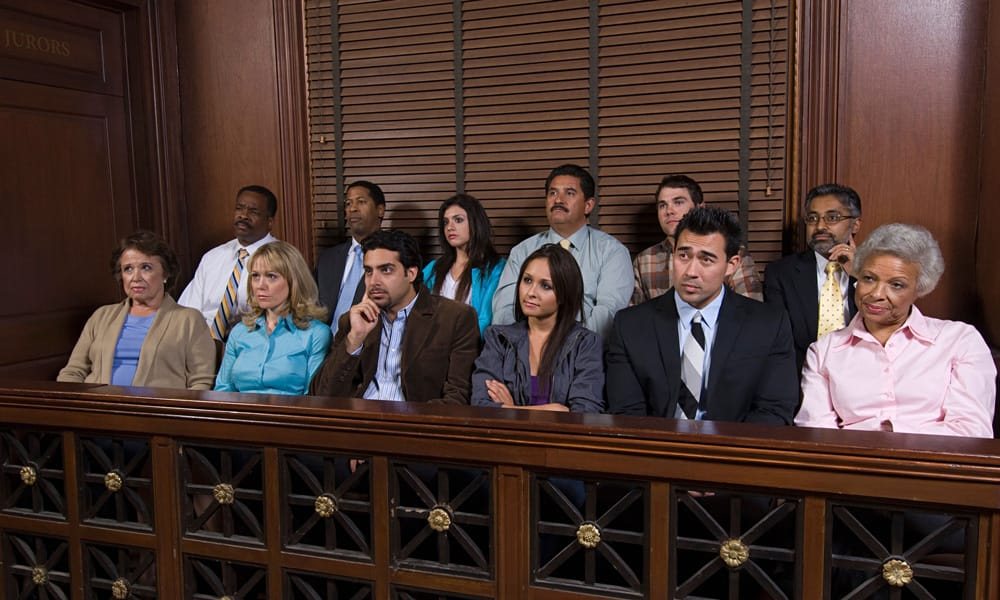
The men and women who preserved American democracy through wars, economic crises, epidemics, constitutional conflicts, and political upheaval were rarely celebrities.
They were teachers who taught generations to read and think. Election workers who counted ballots honestly. Journalists who exposed corruption. Parents who attended school board meetings. Veterans who continued serving after returning home. Volunteers who sustained libraries, museums, charities, youth organizations, and civic associations. Neighbors who simply chose, day after day, to participate in public life.
They rarely became famous. But they kept our constitutional republic functioning.
Our brains are wired to learn. Curiosity is among humanity’s defining and finest traits. Knowledge expands our judgment, broadens our empathy, and equips us to make wiser decisions—not only for ourselves but for our communities.
That is where civics begins. A functioning democracy does not simply need passionate citizens. It needs informed citizens. Passion without knowledge is dangerous. Knowledge without passion is meaningless.

We need citizens who understand that rights come paired with responsibilities.
That liberty depends upon knowledge. That disagreement requires facts.
That patriotism is measured not by slogans or flags, but by the daily discipline of participating in public life with honesty, humility, curiosity, and an informed mind.
Becoming such a citizen has always required something our culture increasingly undervalues: The willingness to do difficult work without expecting immediate rewards.
Democracy has never been sustained by spectators. It has always depended on an active citizenry. That’s why we need civics back.
Continue reading: The 1937 Warning We Have Forgotten


[…] Continue Reading: Schools, Bring Back the Citizen- for Civics’ Sakes […]
LikeLike