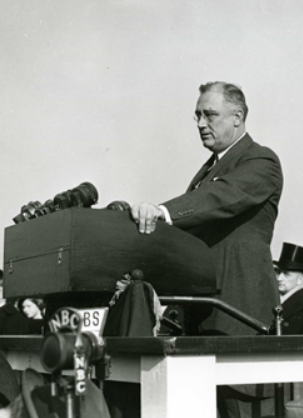
I recently visited the Franklin Delano Roosevelt Presidential Library and Museum- something I’ve been doing for the past 16 years. Every visit is a reminder of just how fragile democracy is—and how worthy the struggle to preserve and improve it remains. One passage from President Roosevelt’s 1937 address in Chicago struck a particular chord:
“The peace, the freedom, and the security of ninety percent of the population of the world is being jeopardized by the remaining ten percent, who are threatening a breakdown of all international order and law.” -Franklin D. Roosevelt, Chicago, October 5, 1937 (Quarantine Speech).
As we approach the 250th anniversary of the Declaration of Independence, our minds naturally drift to 1776 and the Revolutionary War.
Yet that moment was not the culmination of the American story, but merely one of its great points of departure—an inflection point- not only in the history of the United States but in the history of the world.
Not because the United States is some indispensable or “essential” nation, but because history itself is global. No nation develops in isolation, and the forces that shape one society invariably ripple far beyond its borders.
The Constitution opens with one of the most recognizable—and almost sacred—phrases in American political life: “We the People.” Those three words embody the principle of popular sovereignty first articulated in the Declaration of Independence: that government derives its just powers from the consent of the governed.
Yet we also know that the original definition of “the people” was painfully narrow. In many respects, the history of the United States can be understood as a long and unfinished struggle between those who sought to expand the meaning of We the People to include all Americans, and those who have consistently sought to restrict it, excluding as many as possible from the promises of liberty, equality, and justice under the law- the true marks of a democratic society.
If there is one lesson that American history teaches, it is that democracy is never self-sustaining. Preserving it, strengthening it, and expanding it has always required the active participation of ordinary citizens. It demands constant vigilance against domestic forces that see constitutional government as an inconvenience to be circumvented whenever it limits their ambitions, and against foreign authoritarian movements that reject the very principles of liberal democracy.
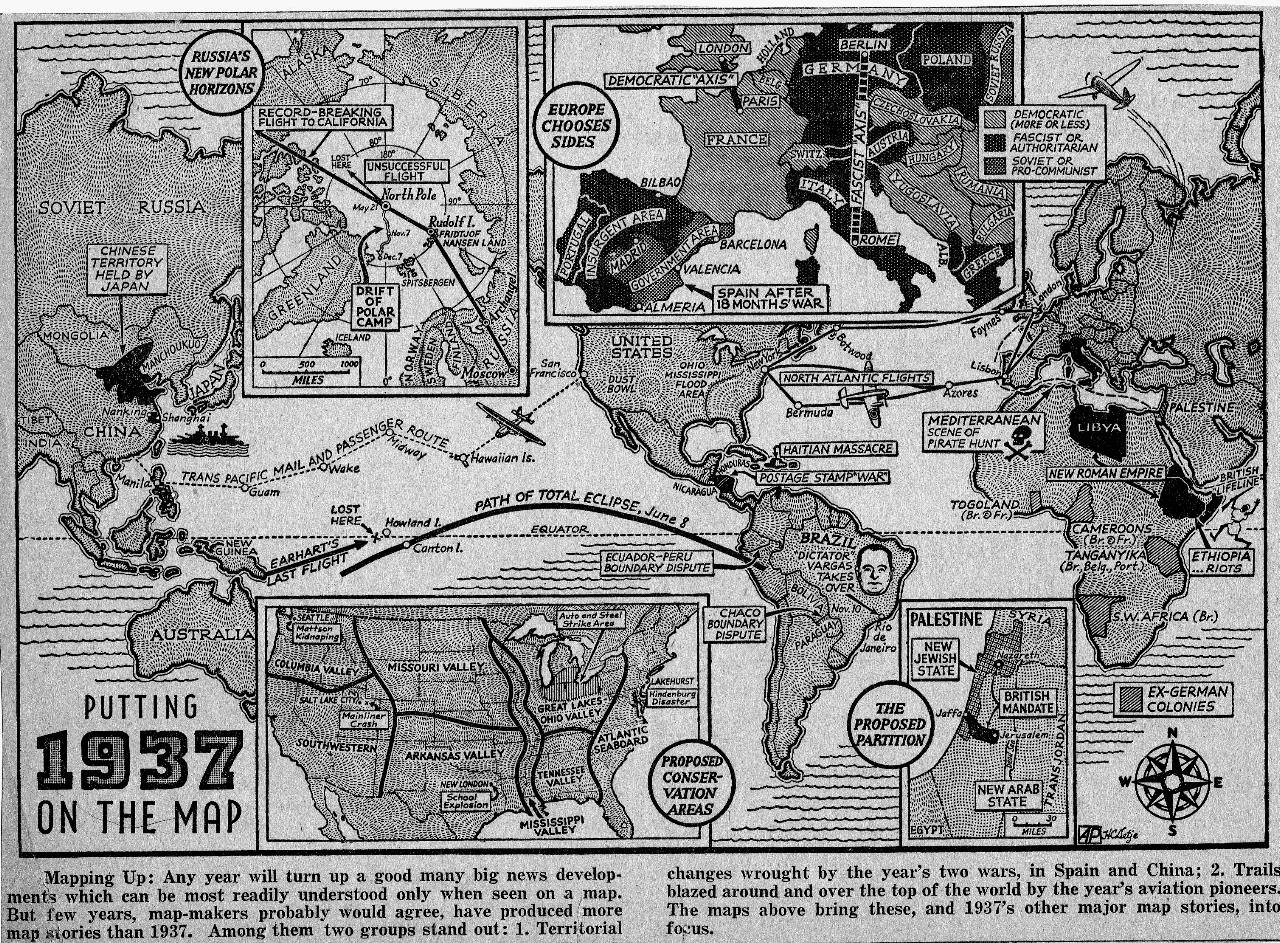
When Franklin D. Roosevelt delivered those words in Chicago in 1937, most Americans still believed that the Atlantic Ocean insulated them from the gathering storm. Europe was descending into dictatorship. Asia was already engulfed in war. Liberal democracies appeared indecisive, weak, and exhausted as the whole populations fell victims or in love with brutal authoritarian regimes.
Across much of the world, millions had concluded that constitutional government was incapable of solving the great economic and social crises of the age.
Roosevelt understood something many of his contemporaries did not: democracy rarely dies because it is conquered. More often, it dies because its own citizens lose faith in it.
Today, we often compare our divisions to those that preceded the Civil War. There is truth in that analogy. Political polarization, competing visions of the Constitution, and deep cultural fragmentation evoke echoes of the 1850s.
But when viewed through a global lens, our historical moment resembles something else entirely. It looks increasingly like 1937.
The parallels are not exact. History never repeats itself so neatly. Yet the historical processes are strikingly familiar: widening economic inequality, declining confidence in democratic institutions, technological disruption, rising political extremism, militarized authoritarian powers challenging the international order, and millions of people once again questioning whether liberal democracy is capable of solving the problems of the modern world. That was the crisis Roosevelt confronted. It is, in many ways, the crisis we confront today.
Democracy in Retreat
The Great Depression of the 1930s did more than destroy economies. It destroyed confidence. Millions of unemployed workers, ruined farmers, bankrupt businessmen, and disillusioned veterans concluded that liberal democracy had failed.
Across Europe and Asia, the political center collapsed.
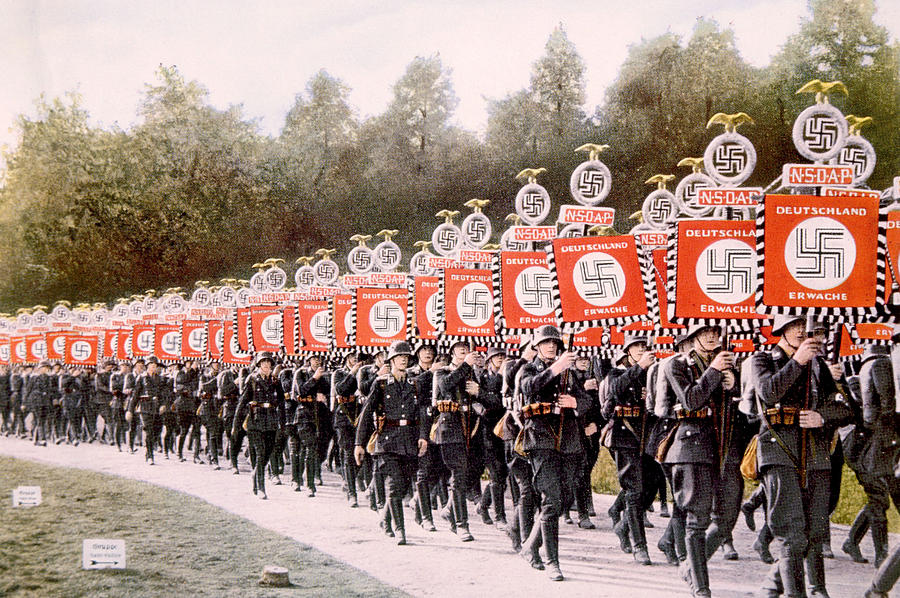
People did not simply become more conservative or more progressive. They became convinced that democracy itself was incapable of responding to crisis- and may in fact be responsible for everything ailing the world. That vacuum brought front and center two competing authoritarian answers.
The fascists promised national rebirth through militarism, ethnic nationalism, discipline, and a strong leader.
The communists promised economic justice through revolutionary transformation and centralized planning.
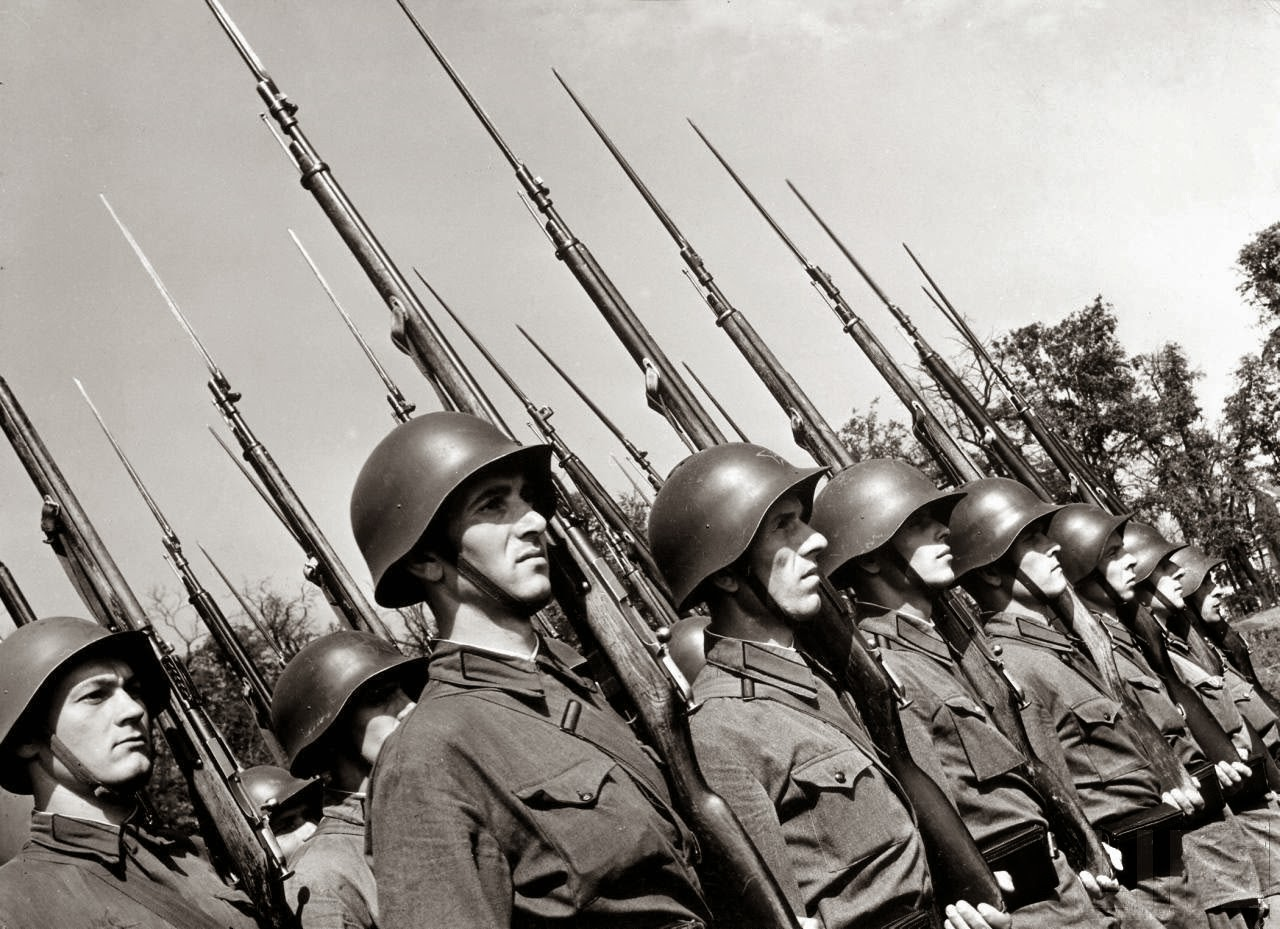
They despised one another because they fed off each other and preyed on the same groups.
But they agreed on one fundamental proposition: Liberal democracy was weak, decadent, and destined to fail. Parliaments debated while economies collapsed. Independent courts slowed revolutionary change. A free press questioned authority. Political compromise became synonymous with paralysis.
To both extremes, liberty itself became the problem.
The Road the United States of America Did Not Take
The remarkable story of the United States is not that it escaped the Depression. It is that it escaped the authoritarian temptations that accompanied it. Americans sometimes forget how fragile our democracy actually was- and is.
During the early 1930s, unemployment exceeded twenty percent. Banks collapsed. Factories closed. Veterans marched on Washington demanding payment. Communist organizations gained recruits. Fascist organizations attracted followers. Millions openly questioned whether democracy still worked.
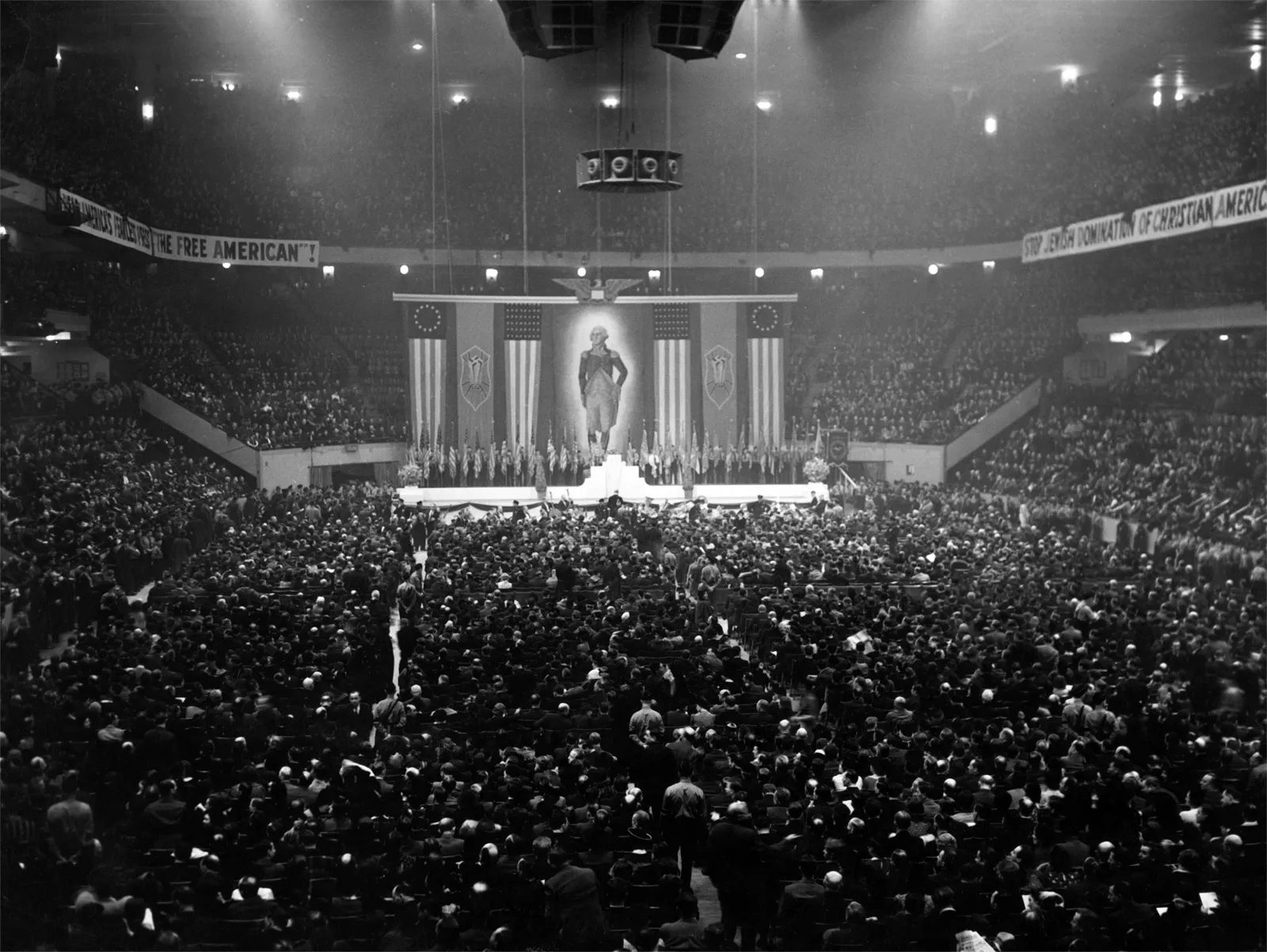
Even powerful business leaders flirted with authoritarian alternatives.
The most famous example came in what became known as the Business Plot of 1933. According to testimony before Congress, a group of wealthy financiers and industrialists allegedly sought to recruit retired Marine Corps Major General Smedley Butler to lead a mass movement that would pressure- or effectively coerce- President Roosevelt into accepting an authoritarian arrangement modeled in part on contemporary European regimes. Butler, one of the most decorated Marines in American history, rejected the proposal and exposed it publicly.
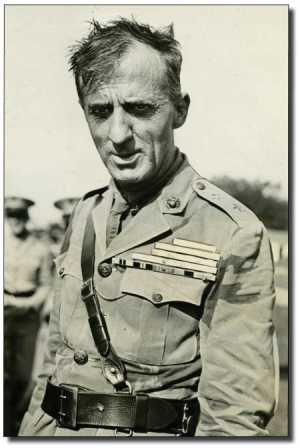
There is still debate about the plot’s feasibility and how far its organizers intended to go. But its significance lies elsewhere: at a moment of profound economic despair, influential Americans were willing to contemplate bypassing constitutional government in favor of concentrated executive power backed by elite interests.
That temptation is not unique to the 1930s.
Periods of democratic anxiety often produce strange alliances between wealthy economic elites- (today’s billionaires) seeking stability, and populist movements demanding decisive leadership just as we see today here in the United States and all over the world.
Roosevelt’s Third Way
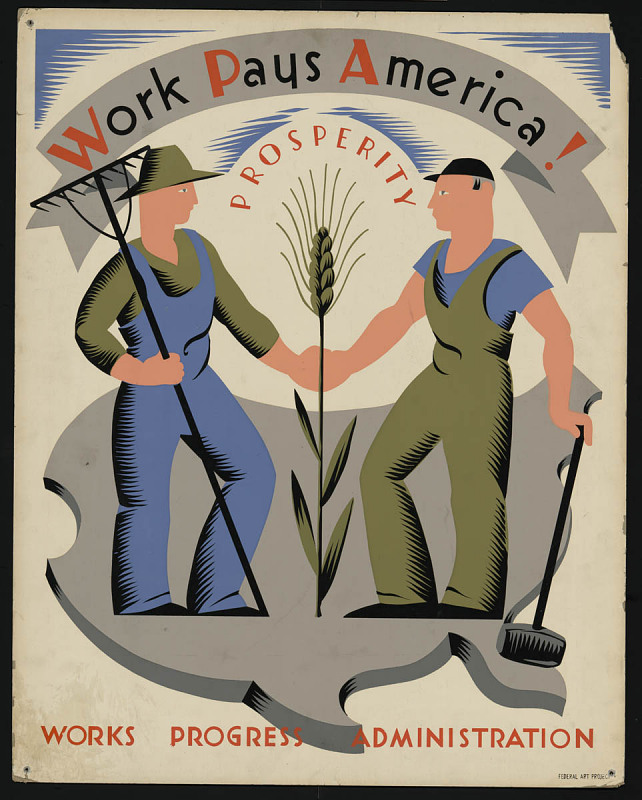
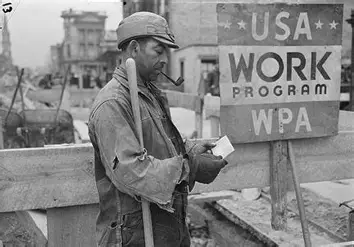
Roosevelt refused both extremes. He neither nationalized American industry nor dismantled constitutional government. He did not abolish capitalism either. He reformed it, finding a third way. The New Deal was a democratic answer to democratic failure. Social Security; Banking reform and financial regulation; Labor protections; Public works; Rural electrification; Massive investments in infrastructure-none of these ended capitalism, nor abolished elections or suspended the Constitution.
Instead, Roosevelt demonstrated that liberal democracy possessed something dictatorships lacked: The capacity to reform itself without surrendering freedom. That remains one of the greatest achievements in American political history.
Liberal Democracy’s Greatest Strength
Its critics have never lacked evidence. The United States remained segregated. Women still lacked equal opportunities. Japanese Americans would later be interned. Racial injustice persisted. Economic inequality endured.
Liberal democracies have always been imperfect. Their advantage has never been perfection. Their advantage is the capacity for correction. Sometimes even erring on overcorrection.
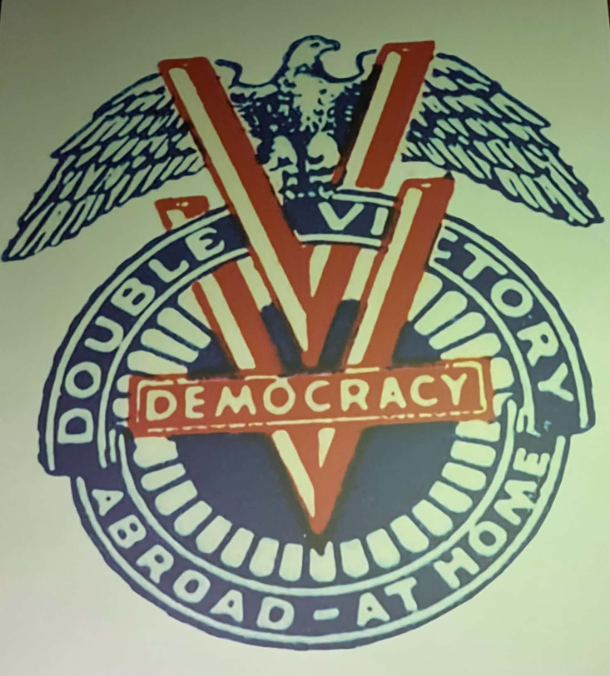
Only liberal democracies institutionalize peaceful self-criticism; Independent courts; Free elections; A free press; Protected dissent. In sum, a Civil society with the right to organize, to protest and the right and mechanisms to replace leaders without bloodshed.
Why do you think the extreme right seeks to erode these freedoms invoking national security and patriotism while the extreme left constantly attacks or mocks them as just mirages?
Authoritarian systems promise perfection. Democracies promise improvement. But an improvement that can only be attained by continuous engagement in the practice of democracy. History has shown which promise is more realistic. History also shows us how difficult is to recover your freedoms once lost to authoritarianism.
The New Authoritarian Century
Today’s challenge is no longer confined within America’s borders. It is global. Russia has attempted to erase Ukraine as an independent nation through conquest. And for years we have seen the Russian invasion of Ukraine paralleling the Spanish Civil War becoming a major battleground in the constant struggle between democracy and authoritarianism.
China increasingly challenges the rules-based international order while expanding military power and asserting territorial claims. Iran arms proxy organizations across the Middle East. North Korea deepens military cooperation with Russia. Military juntas and elected autocrats alike have weakened democratic institutions across parts of Africa, Latin America, Europe, and Asia. Even Israel has fallen for strong-man politics defying international law and order.
The post-1945 liberal order is under sustained pressure.
The question is no longer whether authoritarian powers exist. They always have. The question is whether liberal democracies still possess the confidence to defend themselves and to promote those values elsewhere- or instead succumb to authoritarianism.
The Danger From Within
External enemies are only half the story. Roosevelt understood that democracy collapses from within long before foreign armies arrive. Economic inequality, housing crises, technological disruption, declining trust, political tribalism, and information ecosystems built on outrage, anger, and despair. Each feeds the perception that constitutional government is incapable of solving problems.
That perception creates fertile ground for movements that promise certainty over liberty. Some come wrapped in nationalism- others in revolutionary egalitarianism. Still others in technocratic claims that democracy is simply too inefficient for the twenty-first century. Different rhetoric. The same conclusion: Constitutional democracy is obsolete.
Our New Captains of Industry
There is another uncomfortable historical parallel. During the Gilded Age and again during the Great Depression, immense concentrations of private wealth translated into extraordinary political influence.
Today, a handful of technology billionaires command communication platforms, artificial intelligence, financial infrastructure, satellite systems, and digital public squares on a scale unprecedented in democratic history.
Many have become increasingly active participants in government itself, advocating for sweeping executive action, the weakening of independent regulatory institutions, or the replacement of traditional democratic processes with technocratic decision-making often aided by AI and algorithms that serve as bean-counters unable to gauge quality and institutional knowledge.
Others have aligned themselves with populist movements that portray constitutional constraints—the courts, the civil service, the independent press—not as safeguards of liberty but as obstacles to national renewal.
This is not to completely equate today’s circumstances with the 1930s, nor to suggest that all entrepreneurs or innovators harbor authoritarian ambitions. Private enterprise has long been one of liberal democracy’s engines of prosperity.
The concern arises when extraordinary concentrations of economic power become intertwined with political movements that seek to erode the checks and balances designed to limit power itself. History reminds us that democracy is endangered not only by mobs in the streets (the way that Fascist rose to power intimidating the opposition)- but also by elites who conclude that constitutional government has become inconvenient.
Roosevelt’s Challenge to Our Generation
The United States of America does not need a messiah. It needs another democratic renewal.
It needs leaders—and more importantly, a citizenry—capable of restoring confidence that liberal democracy can still deliver security, prosperity, justice, and opportunity without abandoning liberty.
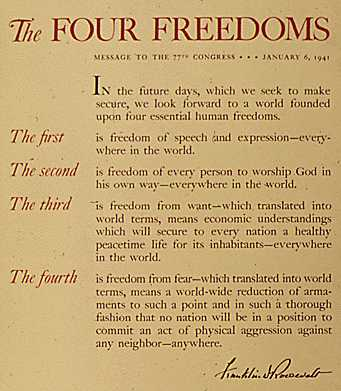
That means rebuilding the middle class, reducing inequality, strengthening public institutions, investing in infrastructure and education, supporting allies and defending democratic principles abroad. That can’t be done without defending the true rule of law at home- a rule of law under which we are all equals. Restoring the belief that we are all represented thus renewing confidence in elections rather than undermining them.
The lesson of Roosevelt is not that government should become larger for its own sake. It is that democracy must remain effective if it hopes to remain legitimate.
Roosevelt’s Warning
Roosevelt’s 1937 warning was never merely about Hitler, Mussolini, or Imperial Japan. It was about the perennial fragility of free societies.
The peace, freedom, and security of the overwhelming majority of humanity can indeed be jeopardized by a determined minority willing to discard international law, reject constitutional restraints, and persuade citizens that liberty is an obstacle rather than a blessing.
The twentieth century demonstrated what follows when liberal democracies lose confidence in themselves. They do not simply surrender territory. They surrender the very institutions that protect individual dignity, pluralism, and the rule of law.
The lesson of the 1930s is not that history repeats itself. It is that democracies survive only when they possess both the humility to reform and the courage and resolve to defend themselves.
The world does not need another strongman. It needs more Roosevelts—not because we require a savior, but because we once again need leaders, institutions, and citizens who understand that the greatest strength of liberal democracy lies not in its perfection, but in its extraordinary capacity for self-correction without sacrificing liberty.
No nation on earth possesses a flawless past. The promise of historical perfection has always been the language of extremists and authoritarians, who insist that only they can restore a mythical golden age or usher in a utopian future. Whether wrapped in the banners of racial supremacy, revolutionary equality, religious absolutism, or militant nationalism, such movements invariably demand that individuals surrender their freedoms in exchange for promises that history has shown can never be fulfilled.
History is neither a triumphal march nor an uninterrupted catalog of oppression. It is a long and often painful struggle between competing visions of justice, liberty, power, and human dignity. At times societies move forward, expanding rights and opportunities. At others they stagnate, retreat, or even reverse hard-won progress. The United States has been no exception.
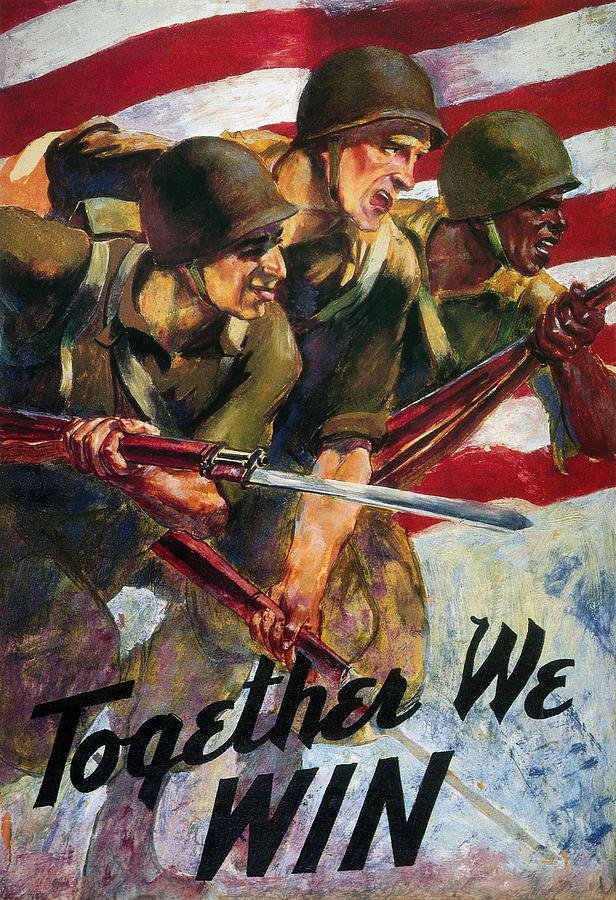
There is no value in retelling American history as an uncomplicated story of exceptional virtue. Such a narrative ignores slavery, the dispossession of Indigenous peoples, segregation, discrimination, exclusion, and the many occasions when the nation failed to live up to its own ideals.
But there is equally little value in embracing the opposite caricature—one in which the United States is portrayed as so irredeemably flawed that every chapter of its history becomes nothing more than a chronicle of hypocrisy and oppression.
Neither myth prepares us for the future.
The honest study of history asks more of us. It demands that we confront injustice without denying progress; that we recognize failure without ignoring achievement; and that we remember not only those who abused power, but also the generations of ordinary citizens who challenged them. The abolitionists who confronted slavery, the suffragists who demanded political equality, the labor organizers who fought for dignity in the workplace, the civil rights activists who dismantled legal segregation, the soldiers who defeated fascism abroad, the journalists, judges, teachers, and countless others who insisted that America could become more faithful to its founding ideals—all are part of the same American story.
That is the enduring promise of liberal democracy. Not that it is perfect, but that it allows free people to acknowledge their imperfections, debate them openly, and correct them through law rather than violence, persuasion rather than coercion, and ballots rather than bullets.
That is why it remains worth defending.
And that is why Roosevelt’s warning, nearly ninety years later, deserves to be heard once again. Democracy is not our inheritance alone. It is our responsibility. If we fail to defend it—against authoritarianism abroad and against cynicism, extremism, and complacency at home—we may discover, too late, that the greatest threat to free societies has never been their imperfections, but their willingness to stop believing that those imperfections could be overcome.
Continue Reading: Schools, Bring Back the Citizen- for Civics’ Sakes


[…] Continue reading: The 1937 Warning We Have Forgotten […]
LikeLike
[…] World War II and the Survival of Democracy- World War II was not simply a military conflict. Far from that- it was an ideological conflict. Western liberal democracies were attacked from within and abroad by extreme right-wing nationalism, …. […]
LikeLike