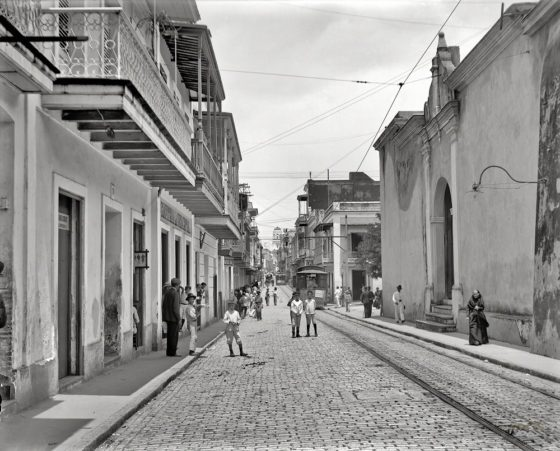
If we walked the streets of Mayagüez, Ponce, San Juan, or Arecibo in the 1930s, what would we see? What would we hear? What would the island smell like?
Turn on the radio and you would hear trios singing boleros. The increasingly popular compositions of Rafael Hernández. Danzas—the Puerto Rican criollo evolution of the European waltz. You would hear the fiery speeches of Pedro Albizu Campos, the persuasive voice of Luis Muñoz Marín, and countless other political patriarchs trying to convince Puerto Ricans that they alone possessed the answer to the island’s future. Baseball games, boxing matches, and horse races would be narrated with such passion that listeners felt as if they were sitting ringside or in the grandstands.
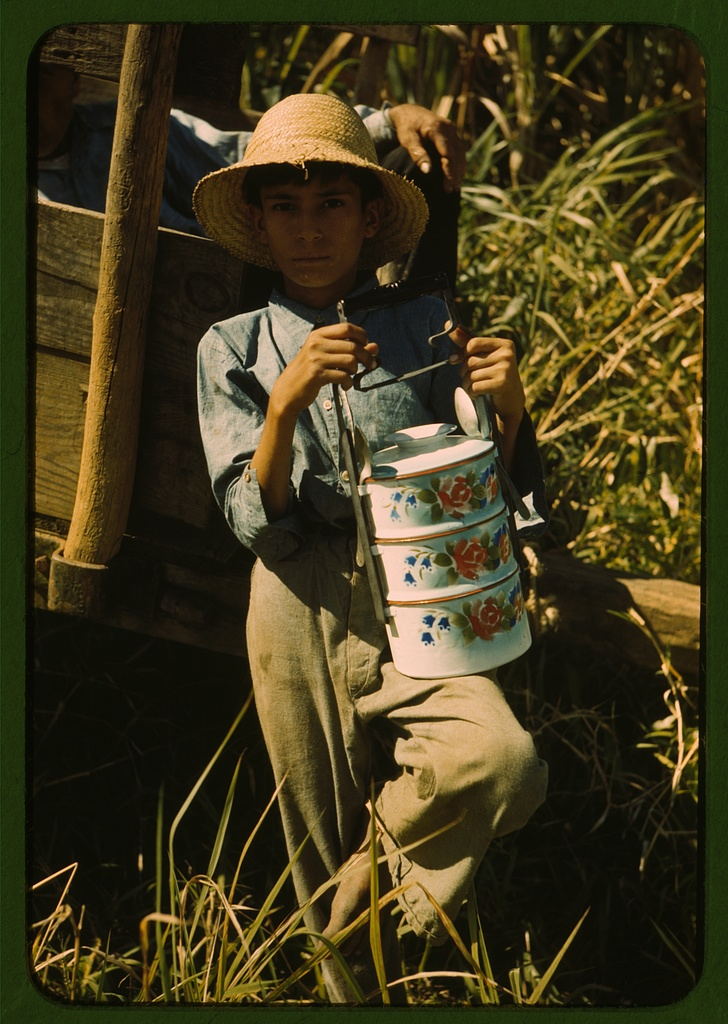
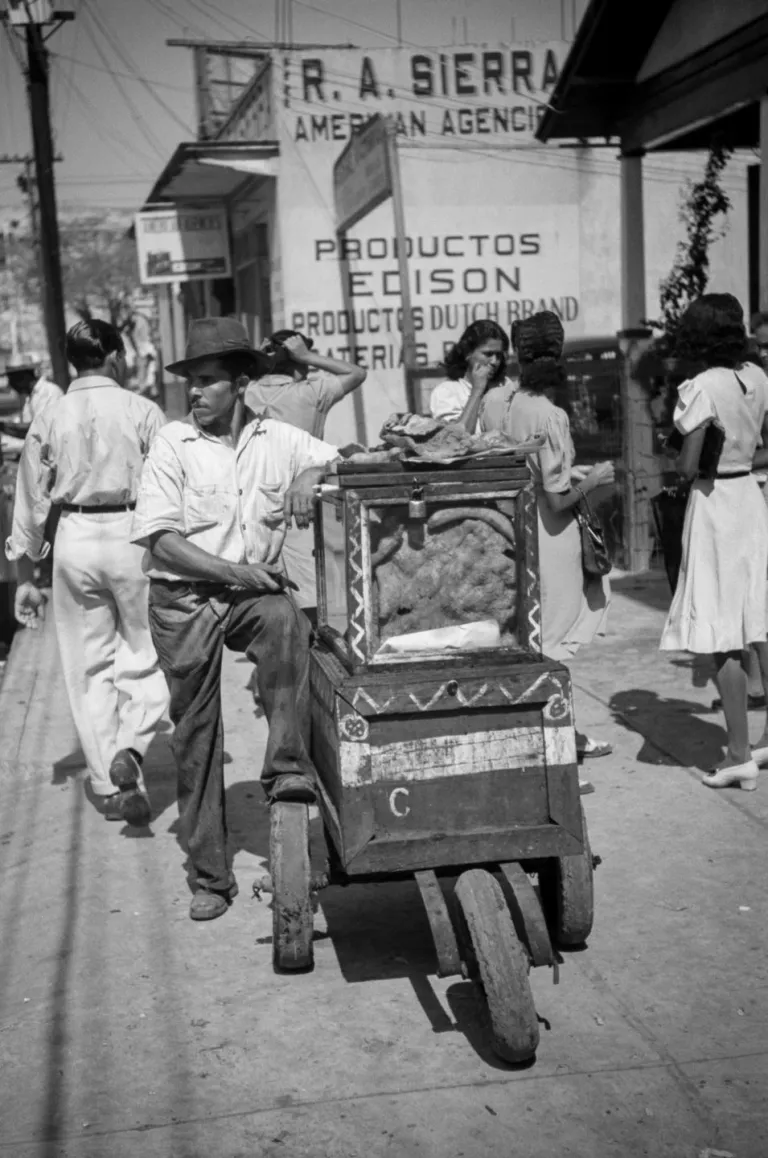
The air would carry the aroma of coffee roasting, sofrito simmering with garlic and culantro in el sartén, tobacco curing in the countryside, and salt from the Caribbean Sea.
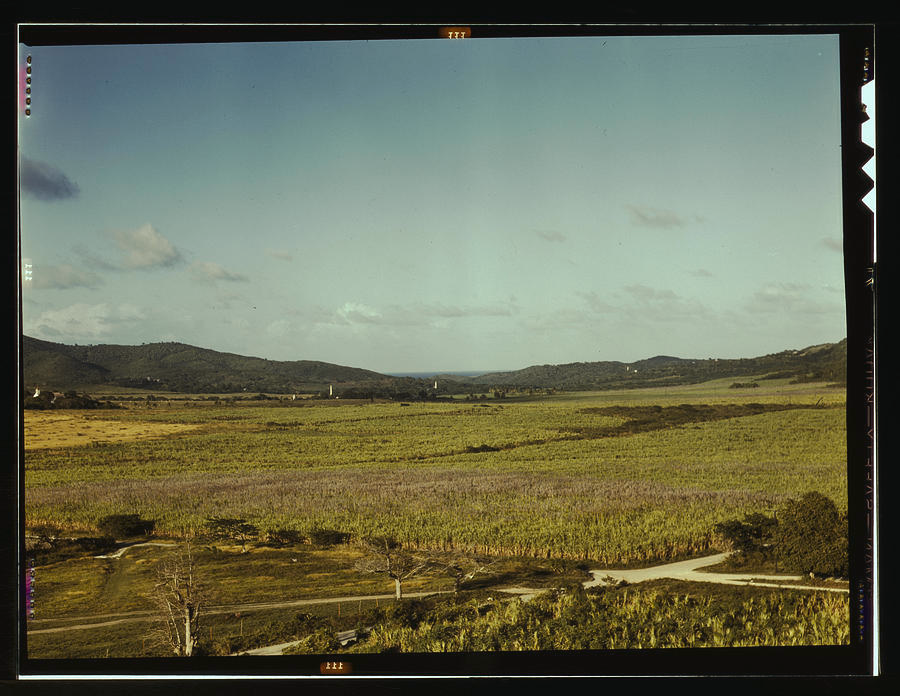
Leave the city, and the island unfolded like a painting. Narrow roads linked towns and barrios beneath flamboyanes blazing red in the summer, towering palma real, and palos de mangó heavy with fruit. Dreamlike beaches stretched beneath endless rows of coconut palms. The southern and eastern coastal plains disappeared beneath an ocean of sugar cane. The central mountains were quilted with coffee groves, while tobacco farms, cattle ranches, and small conucos supplied much of the island’s fruits, vegetables, and root crops.
It was a beautiful country. It was also a profoundly unequal one.
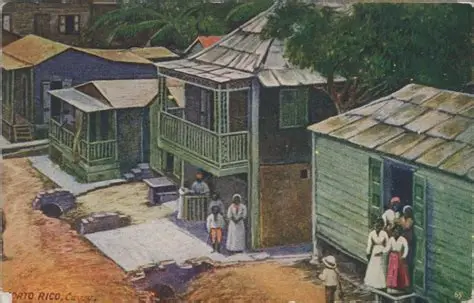
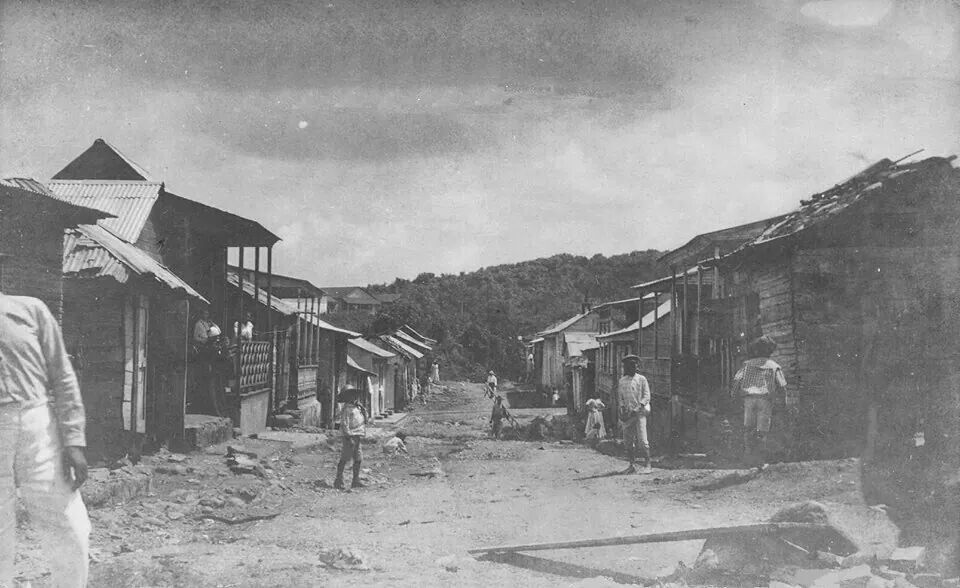
Outside the neighborhoods of the wealthy, you would encounter poverty on a scale almost unimaginable today. Families crowded into wooden shacks with dirt floors. Sewage flooding not just their shacks but their entire lives. Children suffered from malnutrition, hookworm, malaria, and tuberculosis. Entire communities lived without electricity, running water, or adequate medical care. Men, women, and children labored from sunrise until long after sunset, often for wages barely sufficient to survive.
And yet, amid all that hardship, you would also find something else. You would find smiles.
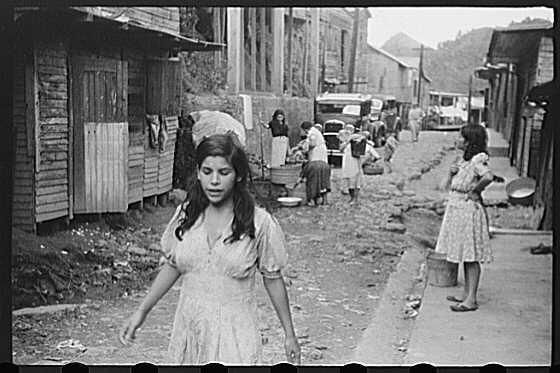
You would find neighbors sharing what little they had with those who had even less. You would find communities where no one was truly a stranger, where suffering was collective, but so too was hope.
That generosity—helping others despite having almost nothing yourself—is, to me, one of the defining characteristics of the Puerto Rican people. It is the spirit that has allowed us to endure colonialism, hurricanes, economic collapse, migration, and political disappointments without surrendering our humanity.
It is also what photographer Jack Delano saw when he first arrived in Puerto Rico in November 1941.
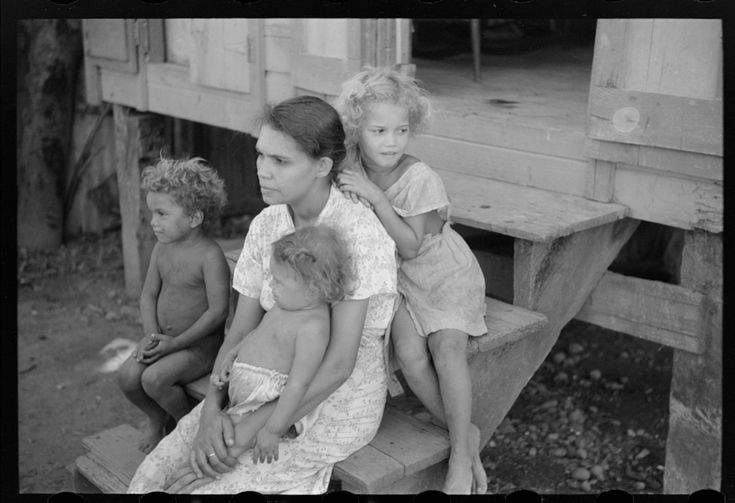
Sent by the Farm Security Administration to document the island’s economy and rural poverty as part of the arts and documentary projects of the New Deal, Delano expected to spend only a few days here before moving on. Instead, he remained for months, traveling nearly every corner of Puerto Rico.
His camera captured sugar cane cutters, coffee pickers, tobacco workers, fishermen, schoolchildren, musicians, churches, political rallies, crowded city streets, and isolated mountain communities. But beyond documenting poverty, Delano captured something far more enduring: the dignity of ordinary Puerto Ricans.
What he found changed his life.
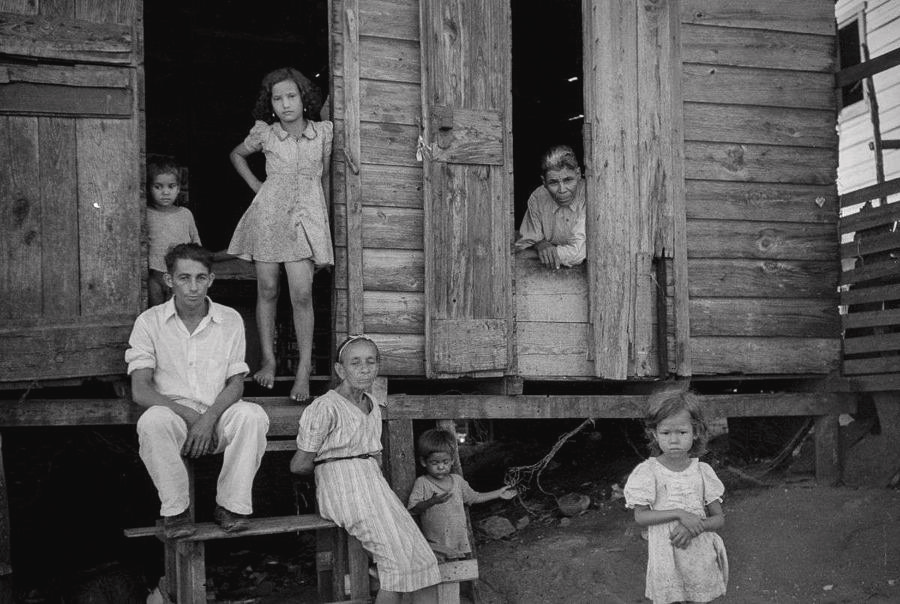
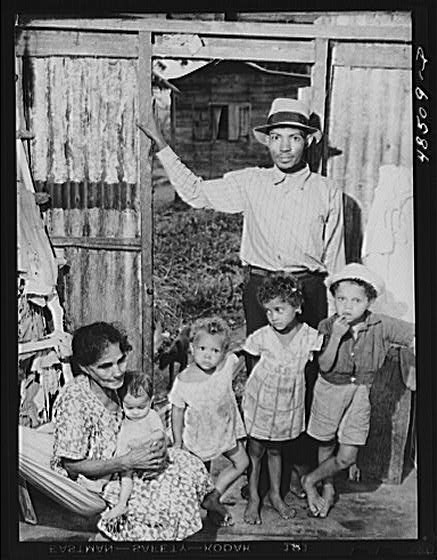
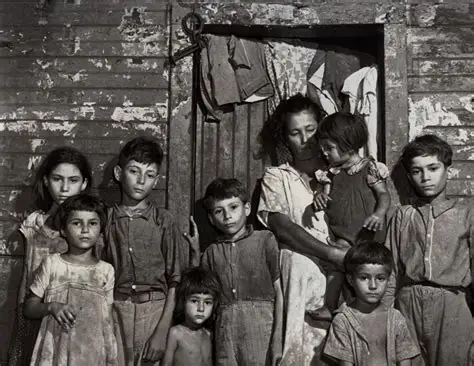
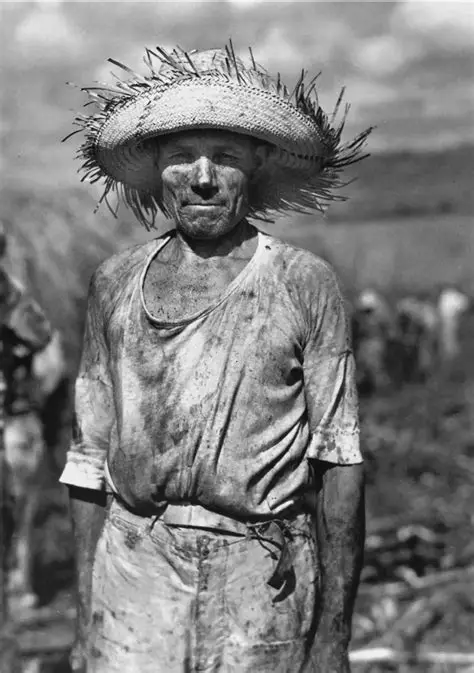
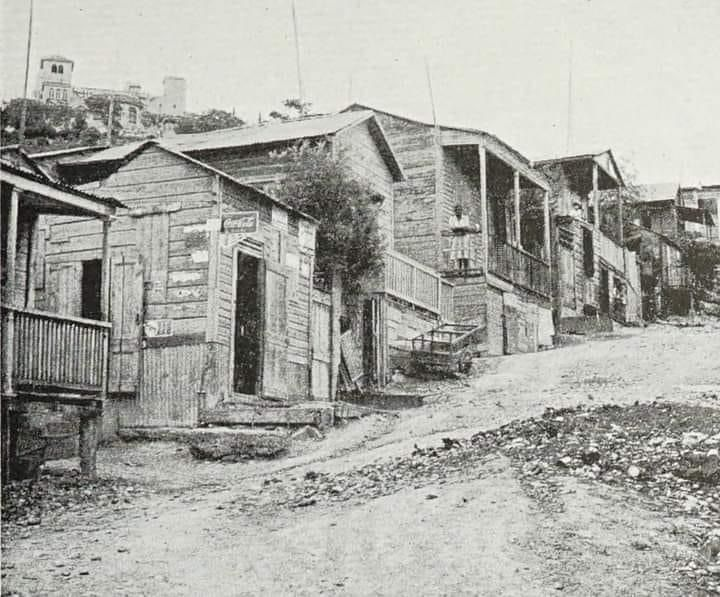
After serving in the U.S. Army Air Forces during World War II, Delano returned—not as a visitor, but as a participant in Puerto Rico’s modernization. Through photography, film, music, and his work with DIVEDCO, he helped shape a project that sought not merely to modernize the island, but to remind Puerto Ricans who they were: a people, a family, and a nation whose greatest wealth had never been sugar, coffee, or tobacco, but each other.
Delano had initially focused on the sugar workers, trabajadores de la caña, and their families.
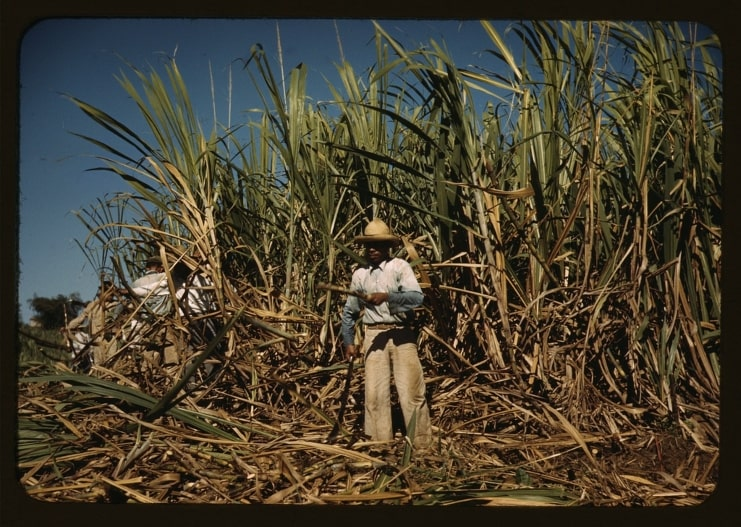
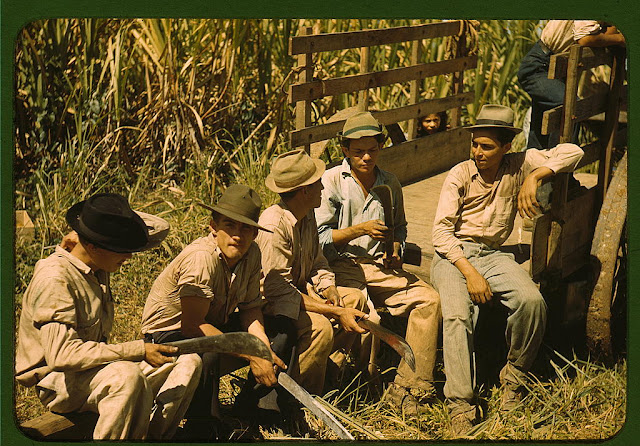
Nearly 400,000 Puerto Ricans depended directly or indirectly on the sugar industry. Cane covered roughly half of the island’s arable land, yet the men and women who harvested it often lived as arrimaos—families “allowed” to occupy small plots on land owned by someone else, a system so feudal that it seems almost impossible to imagine it surviving into the twentieth century. They possessed no legal title to the land, yet they had earned a moral claim to it through generations of sweat, sacrifice, and labor.
Every year, when el tiempo muerto arrived, thousands of cane cutters found themselves unemployed. Many followed the harvest across the Caribbean and the Americas- all the way into the Pacific- Hawaii and the Philippines- in search of work. The seasonal migration labor derided as “cocolos”.
Others would later abandon the mountains and countryside for San Juan, Ponce, or Mayagüez. Still others crossed the sea altogether, joining the growing Puerto Rican communities of New York, Philadelphia, and the broader American East Coast in what came to be known as the Exodus.
Those migrations transformed Puerto Rico. They also transformed the world as Puerto Rican culture started to leave a global imprint.
This is a glimpse into the story of that generation—the Puerto Ricans who endured the Great Depression, widespread hunger, disease, the collapse of the sugar economy, World War II and the Korean War mobilization as a deeply transformational and foundational longue guerre, massive migration, and one of the most ambitious modernization projects in world history.
They were the generation that experienced Roosevelt’s New Deal, the Puerto Rico Reconstruction Administration, the rise of Luis Muñoz Marín, and the foundations of Operation Bootstrap. They witnessed Puerto Rico’s transition from a rural agricultural society to an urban industrial one, from carretas de bueyes to factories, from bohíos and shacks to public housing, from isolated mountain communities to neighborhoods in El Barrio and beyond.
This is also a story of how they carried Puerto Rico with them.
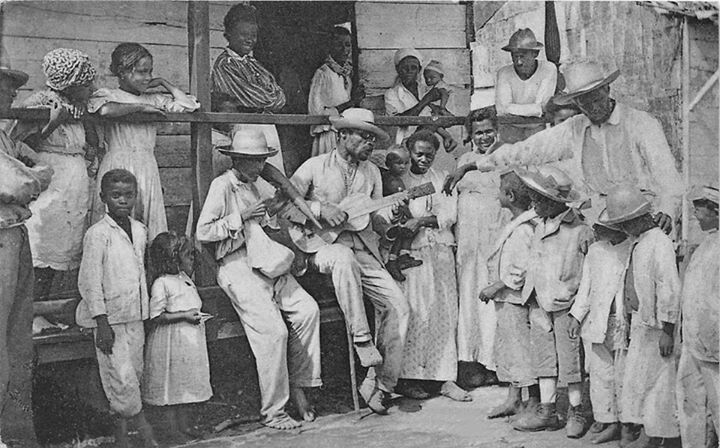
It is the Puerto Rico Jack Delano photographed. The Puerto Rico Rafael Hernández immortalized in Lamento Borincano. The Puerto Rico Juan Antonio Corretjer refused to let disappear in Boricua en la Luna. And it is the same Puerto Rico that Bad Bunny popularized for the whole globe in Debí Tirar Más Fotos. A world that fell in love with the global character of the Puerto Rican spirit.
The faces, the music, and the challenges have changed.
But the Puerto Rican soul—that extraordinary ability to endure, adapt, remember, and remain unmistakably Puerto Rican wherever history carries us—was forged in those difficult years. And if we wish to understand modern Puerto Rico and the global character of Puertoricaness, there is no better place to begin than with the generation that lived through them.
Next Episode: A Walk Through El Tiempo Muerto


[…] [This is the second installment of a series of essays: From the Great Depression to the Korean War: Puerto Rico’s Greatest Generation—and the Global Na…] […]
LikeLike
[…] [This is the third installment of a series of essays: From the Great Depression to the Korean War: Puerto Rico’s Greatest Generation—and the Global Na…] […]
LikeLike