Did Puerto Rico once produce 85% of what it consumed? The short answer is no—the oft-repeated claim that Puerto Rico once produced 85% of what it consumed and now imports 85% is not historically accurate, at least not if it is meant literally.
There is a real historical trend behind the claim, but the numbers are usually oversimplified or taken out of context.
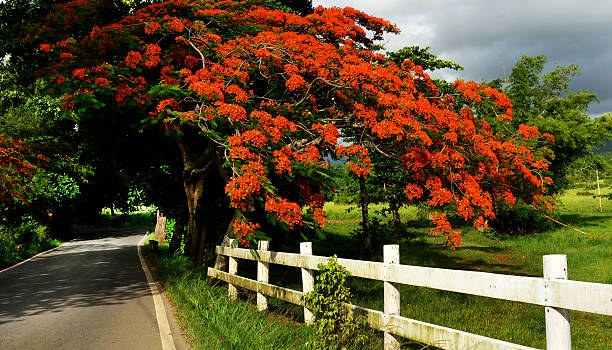
The reality is that today, Puerto Rico imports approximately 85–90% of its food, depending on the measure and the year. That figure is widely cited by the Puerto Rico Department of Agriculture, the College of Agricultural Sciences at the University of Puerto Rico, and USDA-related studies. Food self-sufficiency is generally estimated at only 10–15%.
And one must remember that this si only about the official economy. The economía subterranea is also an important sector of food production in Puerto Rico.
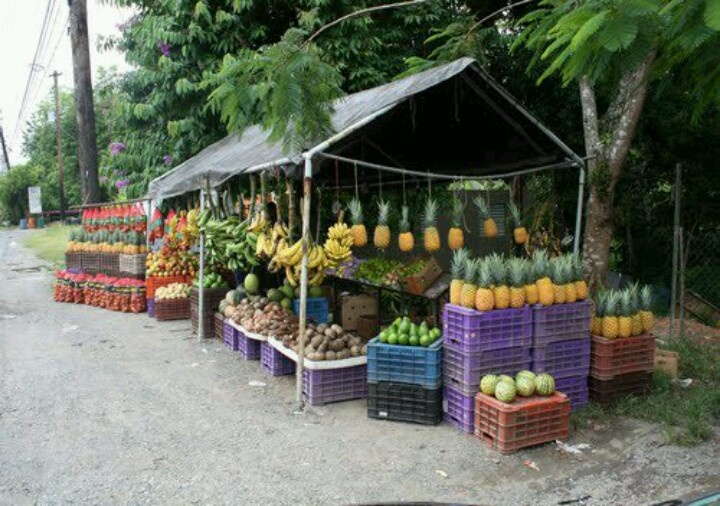
The first half of the statement—that Puerto Rico once produced 85% of its own food—is much more problematic.
Did Puerto Rico ever feed itself? Not really. Before the sugar boom (18th–early 19th centuries). Puerto Rico was relatively self-sufficient in staple foods. Farmers produced: plantains, yuca, corn, beans, rice (very limited), tubbers, root crops, livestock and poultry.
Imports certainly existed, but much of the rural population lived from local agriculture. This, however, was a small island of perhaps 150,000–300,000 people—not the Puerto Rico of the twentieth century. And the peasantry was incredibly malnourished.
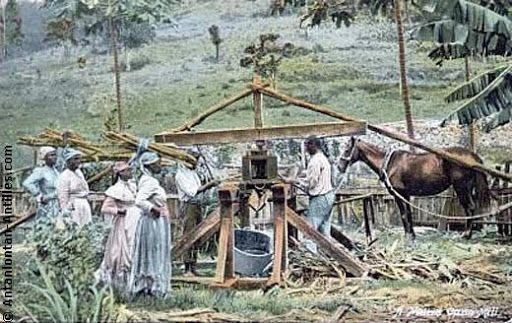
The production of sugar- even after the abolition of slavery- necessitated the exploitation of el trabajador de la caña and their families.
During the sugar economy (late 1800s–1940s)- Ironically, Puerto Rico became less food self-sufficient. Sugar expanded enormously. Large areas formerly used for diversified farming shifted toward sugar, tobacco, and coffee. Food imports increased substantially.
In fact, one of the major criticisms leveled against the sugar economy by reformers—including members of the Puerto Rico Reconstruction Administration (PRRA) during the 1930s and 1940s—was that too much land was devoted to export crops rather than food production. Sugar alone took 50% of the arable land and more than 35% of the agrarian work force.
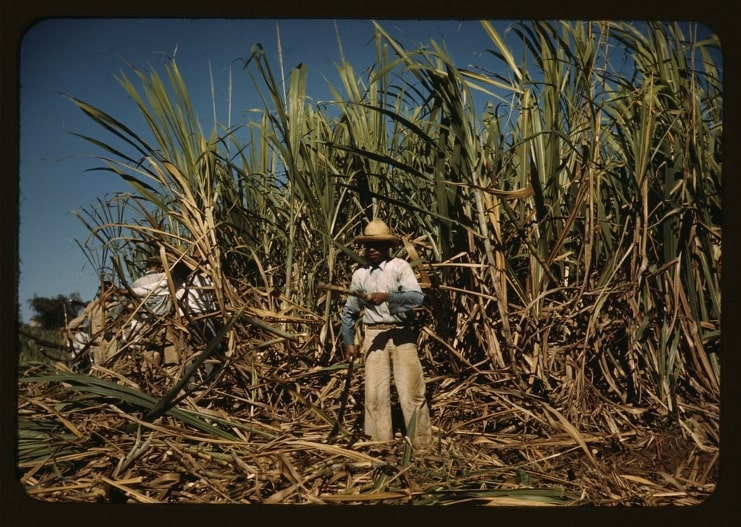
During the 1930s Puerto Rico imported wheat, flour, salted cod, rice, canned foods, lard, beef and numerous manufactured food products- and the agrarian workers and landless peasants complemented their diets with food crops from the small plots of lands they occupied as arrimaos- and fishing and hunting during el tiempo muerto– or the months between the end of the sugar harvest (la zafra) and the beginning of the next planting and harvesting cycle. And they were still underfed and malnourished.
The island certainly did not produce 85% of its own food during the height of the sugar era.
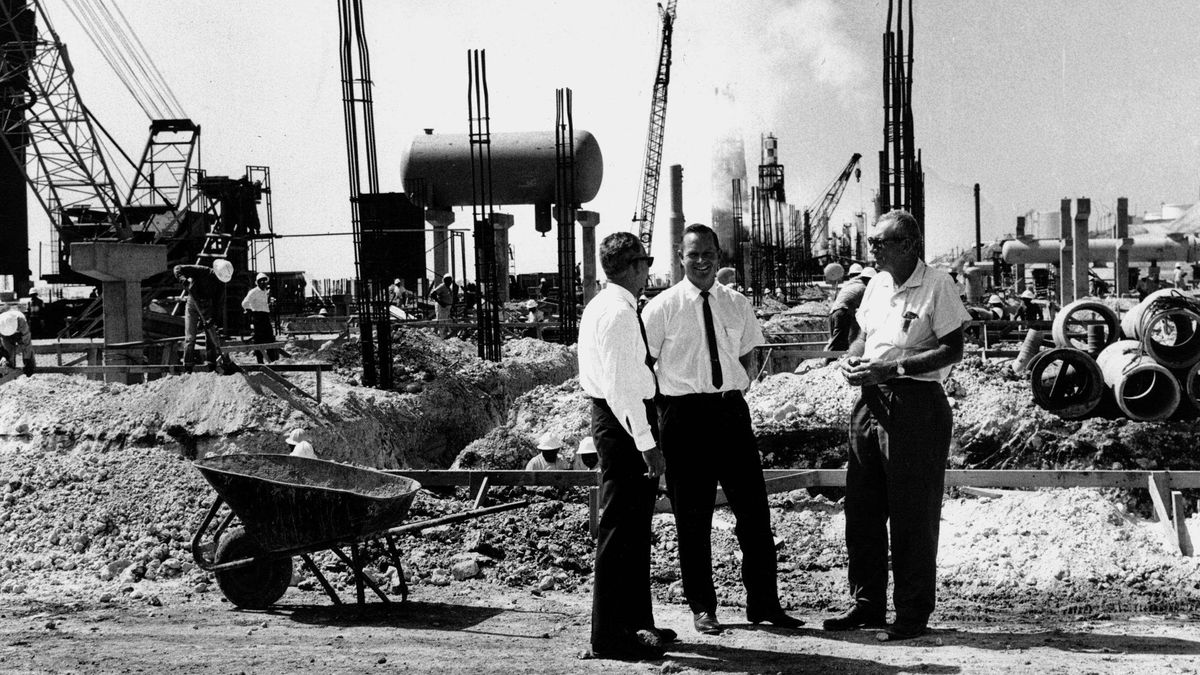
After World War II is where the major transformation occurred. Operation Bootstrap encouraged industrialization, manufacturing and urbanization. Agriculture declined dramatically.
Agricultural employment fell from roughly 36–43% of the labor force in the late 1940s to well under 10% by the 1970s. But it is wise to remember that most of the agricultural jobs that disappeared were related to the sugar cane industry not the production of food crops.
Thousands of very small substance farms disappeared. Meanwhile incomes rose, consumption changed, supermarkets expanded, refrigerated shipping became cheaper. Puerto Ricans increasingly purchased foods that simply were not produced locally.
Why can’t Puerto Rico produce more today? Several reasons converged.
Agricultural land declined dramatically. In 1940 there were roughly 45,000–50,000 farms. Today there are around 8,000–9,000 farms, depending on the agricultural census. Farmland has declined by well over half mostly because of urbanization- el Valle de Caguas being a good example.
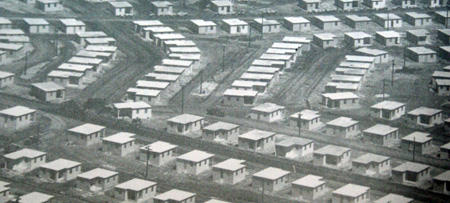
Urbanization plays a big role. Millions of acres were converted into suburbs, highways, shopping centers, and industrial parks. Some of Puerto Rico’s most fertile coastal plains are now urbanized.
Labor costs are part of the issue. Agriculture became much more expensive. Workers found better-paying jobs in manufacturing, construction, government and the service industry. Few people want work the fields- even with local, state, and federal incentives.
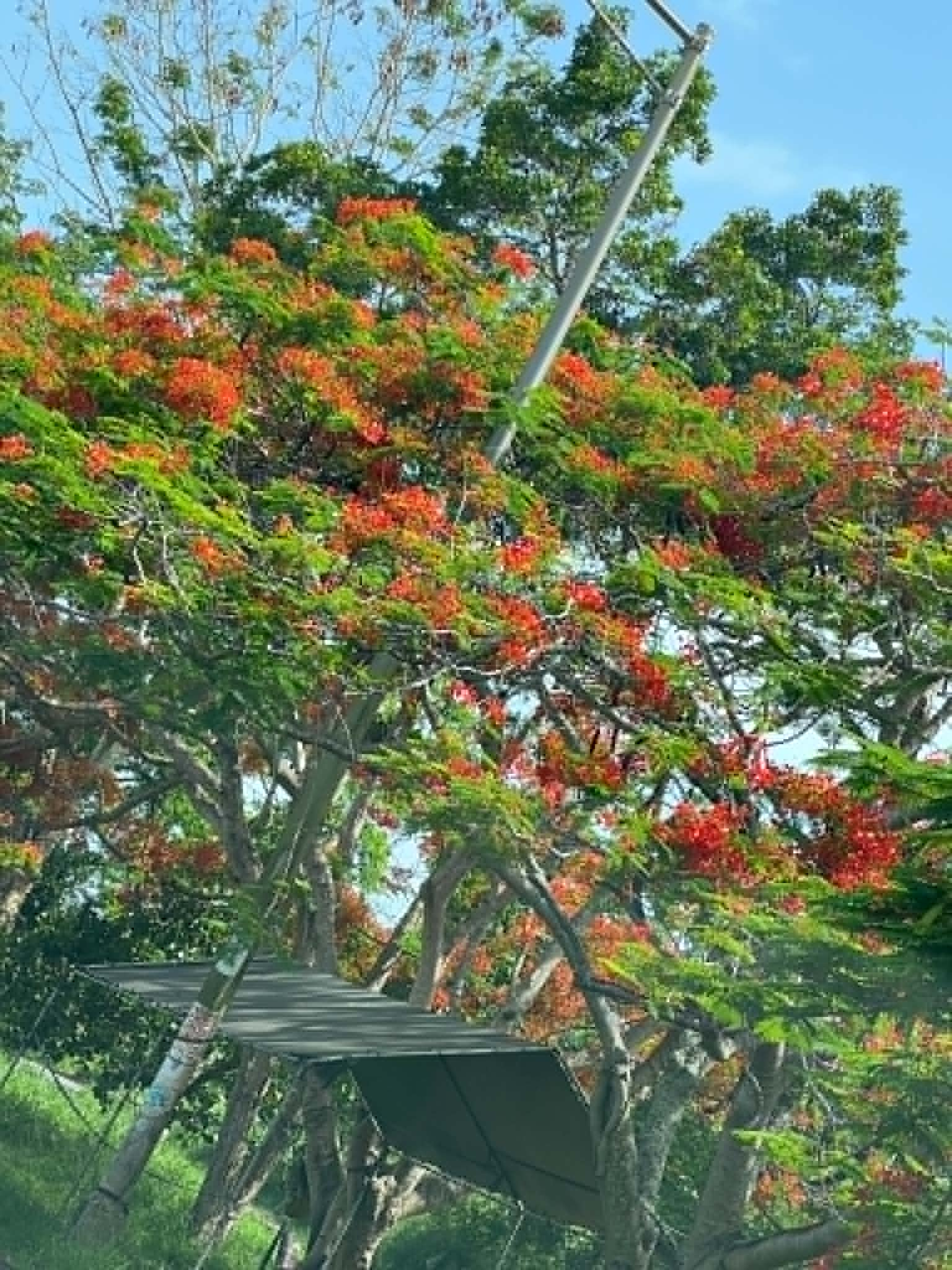
Globalization affects everyone- particularly small-sized islands. Imported food often became cheaper than local production. It is difficult for Puerto Rican farmers to compete with the domestic market- Iowa corn, Arkansas rice, Florida vegetables; or the international ones; Brazilian beef, Dominican produce, Mexican fruits. Economies of scale matter.
Consumer demand changed and Puerto Rico is no exception. Modern Puerto Rican diets include large quantities of breakfast cereals, pasta, wheat bread, frozen foods, processed snacks, dairy products. Many of these products depend on climates, land areas, or production systems that Puerto Rico cannot readily provide. For example, Puerto Rico cannot realistically produce all of the wheat required for bread because its tropical climate is unsuitable for large-scale wheat cultivation.
Hurricanes are part of the Puerto Rican reality. Repeated storms—including Hugo (1989), Georges (1998), María (2017), and Fiona (2022)—have devastated agricultural production, discouraging investment and reducing long-term output. And that after a true renaissance in Puerto Rican agricultural production following the fiscal and economic crises.
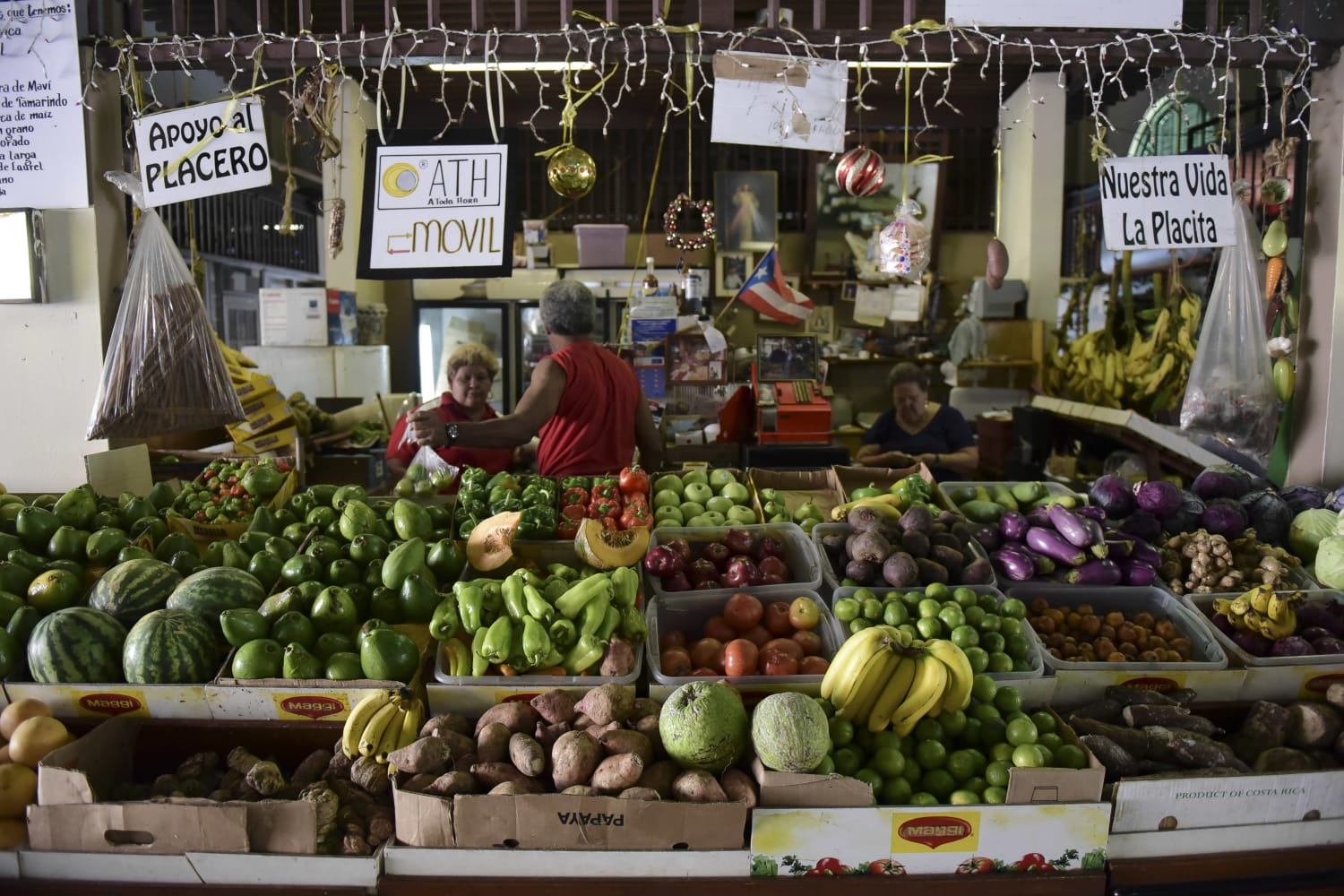
Public policy is another issue. Agricultural policy has often prioritized industrial development, services, tourism, and pharmaceuticals over farming. In addition, many farmers point to fragmented land-use planning, difficulties accessing capital, labor shortages, and aging farm populations as barriers to expanding local production.
So where did the “85%” myth come from? It likely combines two different facts:
- Today Puerto Rico imports roughly 85–90% of its food.
- Before industrialization, a much larger share of locally consumed fresh foods—especially root crops, plantains, fruits, vegetables, and some livestock—was produced on the island than it is today.
- Then again- the Puerto Ricans were relatively well-fed but malnourished before industrialization and hunger was common.
Over time, these ideas merged into the simplified claim that “Puerto Rico once produced 85% of its own food.”
The historical record does not support that specific figure. Puerto Rico was already importing significant quantities of staple foods during the late nineteenth and early twentieth centuries because its export-oriented sugar economy devoted substantial acreage to cash crops rather than food production.
Could Puerto Rico feed itself today? Not completely—not with current dietary patterns and population density. Puerto Rico has about 3.2 million residents living on roughly 3,500 square miles. Some staple foods, such as wheat, are impractical to grow at scale in its tropical environment, and others require more land than is available.
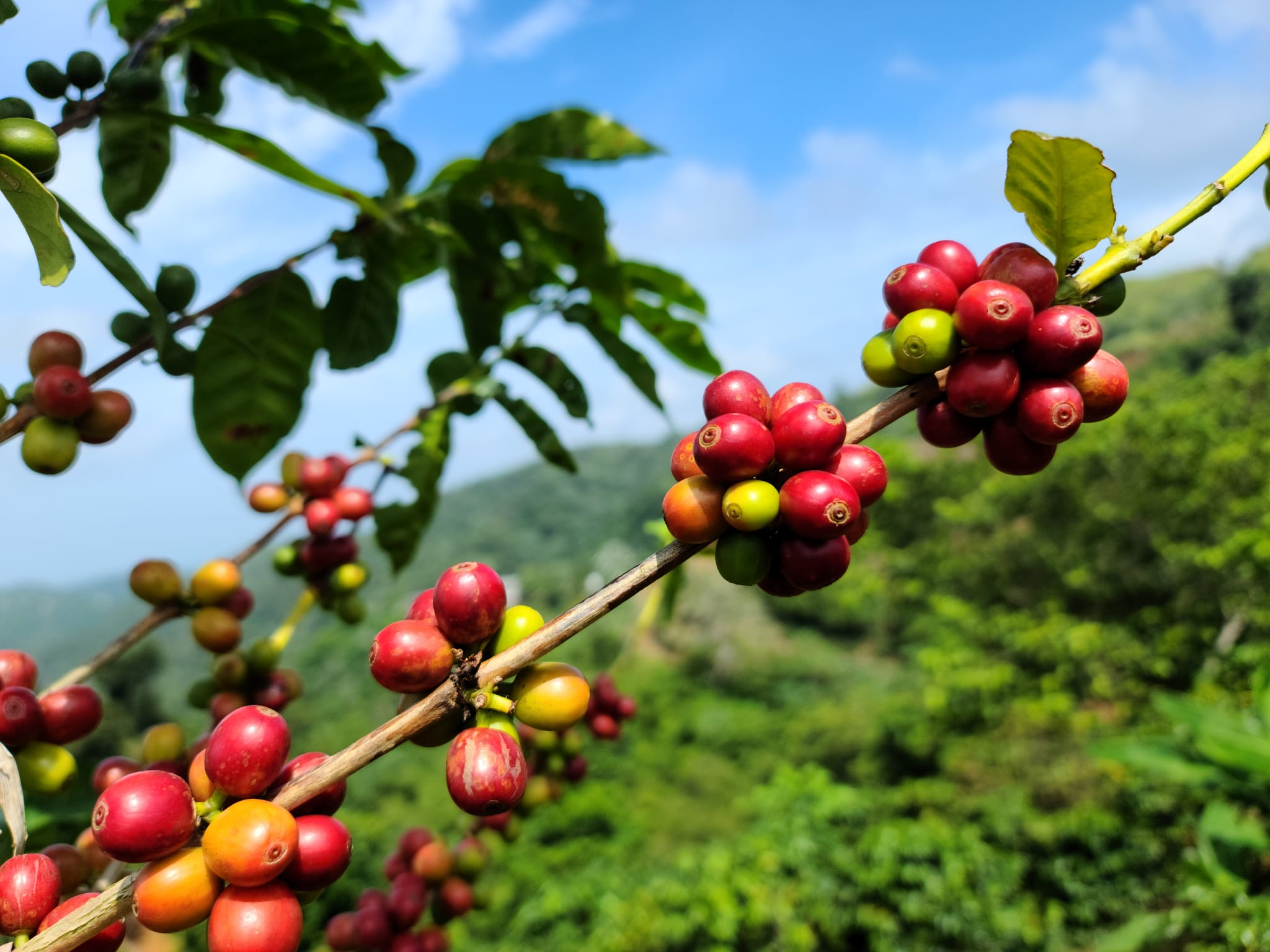
However, most agricultural economists agree that Puerto Rico could substantially increase its food security by expanding production of crops well suited to the island, including plantains, bananas, root crops, fruits, vegetables, coffee, poultry, eggs, dairy, and some livestock.
Estimates vary, but many believe local production could rise well above today’s 10–15% of food consumption with sustained investment, modern farming techniques, and supportive public policy—though complete food self-sufficiency is unlikely.
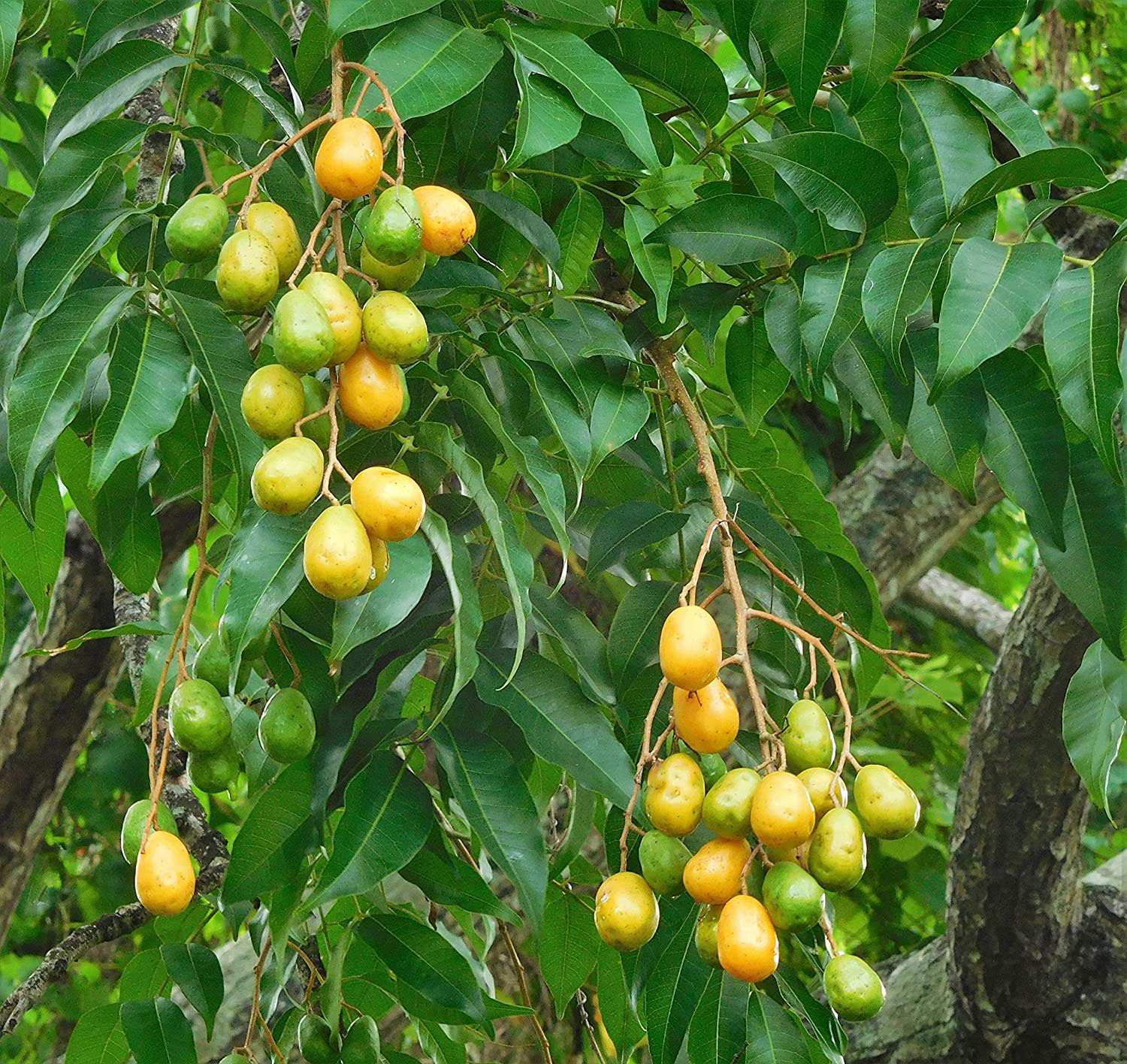
But Puerto Rico’s agricultural sector could hybridize and continue to expand the production of for example- coffee for local consumption- while also engaging in producing higher end goods for foreign markets. Yes export. But the focusing in small high end, high quality products.
Puerto Rico’s coffee is already considered one of the best in the world- our “frutos menores” could join coffee as a high end agricultural good for export– along with fomenting internal and external agro-tourism and “fincas escuelas”.
I know that in the diaspora- I would buy jobos (hog-plums) from Puerto Rico.
There’s an idea.
 in cOHERENT Thoughts