[This is the second installment of a series of essays: From the Great Depression to the Korean War: Puerto Rico’s Greatest Generation—and the Global Nature of the Puerto Rican Soul]
To understand Puerto Rico during the first half of the twentieth century, one must first understand el tiempo muerto—literally, “the dead season.”
For Puerto Rico’s sugar workers, it was far more than the period between harvests. It was a yearly ordeal that shaped every aspect of rural life. It was the long stretch between the end of la zafra and the beginning of the next sugar harvest—a season measured not by calendars but by empty stomachs, mounting debts, and uncertainty.
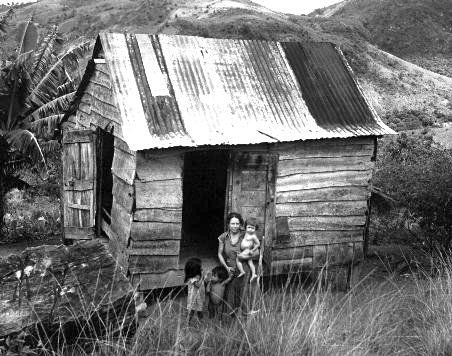
For thousands of trabajadores de la caña and their families, el tiempo muerto meant months without steady wages. For their wives, children, and elderly parents, it meant stretching every grain of rice, every root pulled from the earth, and every favor owed to a neighbor. It was not simply unemployment. It was structural poverty repeated year after year.
Yet Puerto Rican rural families did not survive through passivity. They survived through ingenuity.
Those fortunate enough to “possess” a small plot of land—a conuco—cultivated whatever the soil would yield: plátanos, guineos, yuca, yautía, batatas, maíz, habichuelas, and, above all, the humble gandul, perhaps the most iconic ingredient in Puerto Rican cuisine.
A few families managed to keep several chickens, perhaps a pig or a goat, often shared among relatives or neighbors. These animals were rarely considered everyday food. They functioned more like a savings account—assets reserved for moments of true desperation.
When hardship became unbearable, the animal would be slaughtered.
The finest cuts were frequently sold to generate desperately needed cash, while the family kept the least desirable portions—the feet, ears, face, tail, hocks, and whatever else remained. Nothing went to waste. Everything found its way into the cooking pot.
Combined with rice and freshly harvested gandules, these humble ingredients became what many rural Puerto Ricans simply called arroz junto—rice with everything mixed together because everything available went into the same pot.
Over time, necessity evolved into a more refined tradition. Today we know it as arroz con gandules, arguably Puerto Rico’s most recognizable national dish—a reminder that some of a nation’s greatest culinary traditions are born not from abundance, but from scarcity.
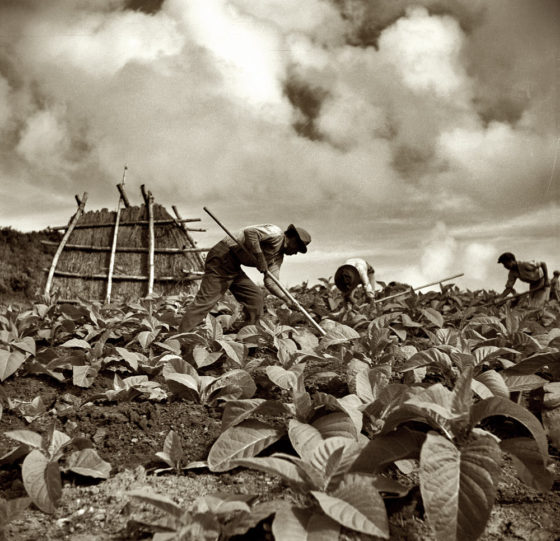
Families also bartered eggs, cultivated tobacco, or rolled cigars for local merchants. Along the coasts, fishing often became the difference between eating and going hungry. Inland communities hunted birds, trapped the few remaining wild pigs, fished rivers and streams, and collected freshwater shrimp and crabs whenever nature allowed. Every available resource mattered.
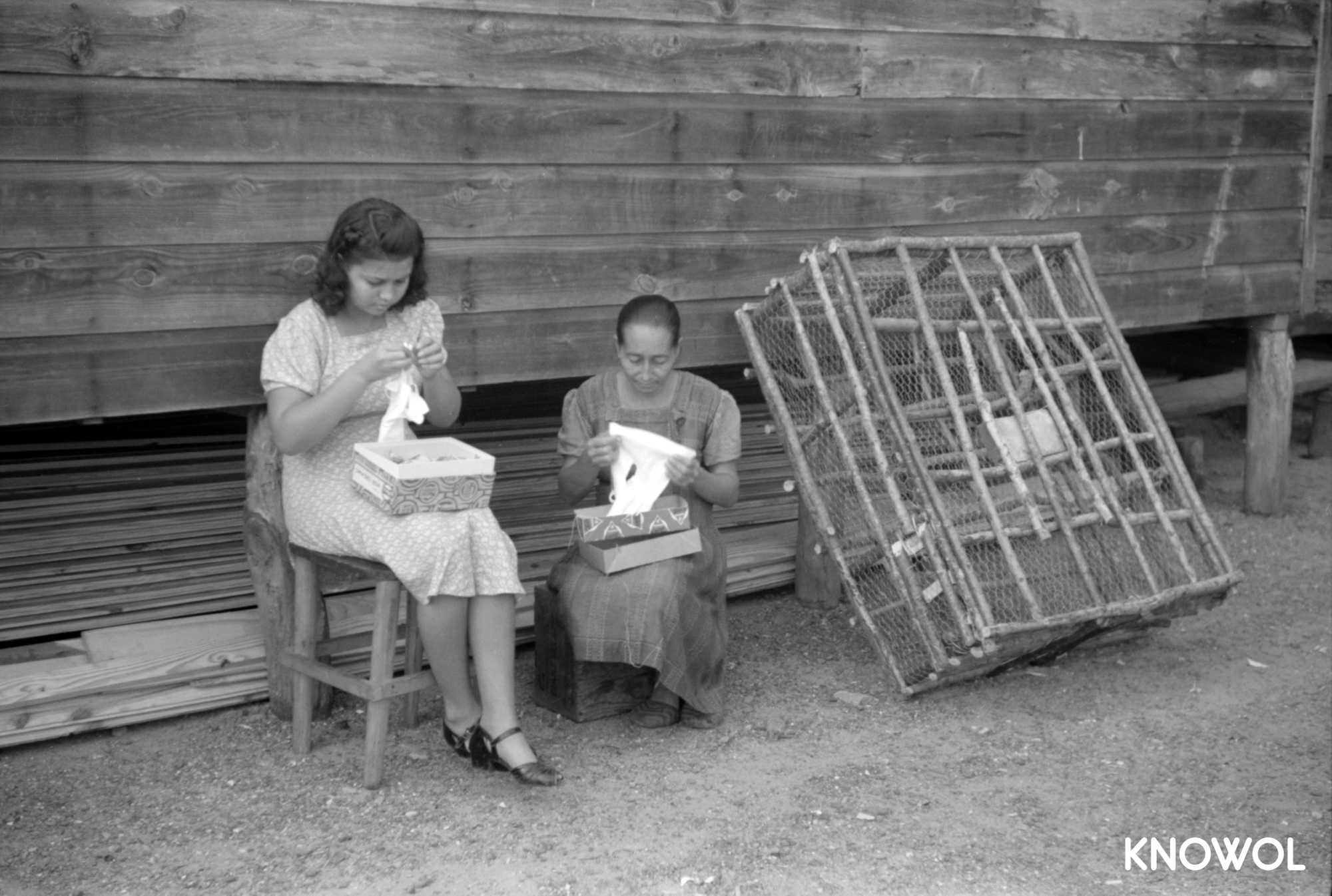
They washed clothes for wealthier households, worked as domestic servants, sold homemade foods door to door, raised children, tended gardens, cared for animals, and sewed clothing. Many produced the intricate lacework known as mundillo, transforming extraordinary skill into desperately needed income.
Children worked too. Long before reaching adulthood, they gathered firewood, fetched water, cared for livestock, planted gardens, harvested crops, and watched younger siblings while their parents searched for work.
Although compulsory education existed on paper, poverty often dictated otherwise. Many children entered the labor force before finishing the fourth grade, condemning generations to functional illiteracy and ensuring that poverty reproduced itself from one generation to the next.
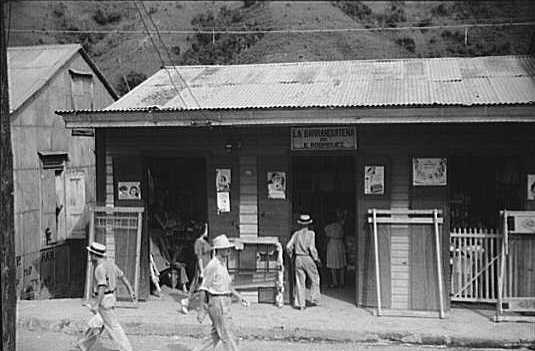
Credit became another tool of survival. Almost every barrio had its colmado—the ubiquitous neighborhood store that somehow managed to fit the world within four walls and a zinc roof. Inside one could find salted codfish, rice, kerosene, the famous quinqué (gas lamp), canned milk, coffee, soap, rope, tools, medicine, sewing needles, tobacco, sweets for children, and nearly everything else rural families needed.
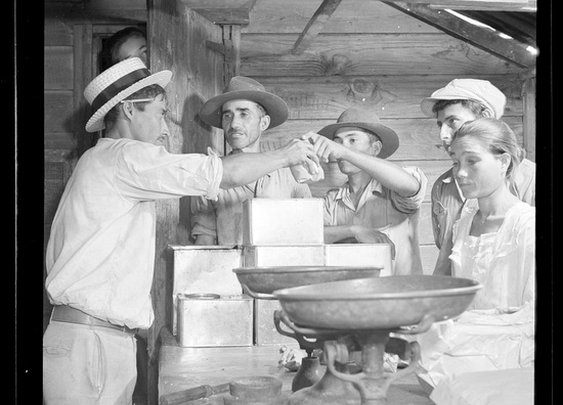
Most importantly, one could find credit. El colmadero- or el señor o dueño del colmado– extended goods on trust, expecting payment once the next harvest arrived. That credit kept countless families alive. It also trapped many in a cycle of perpetual indebtedness from which escape proved nearly impossible.
Family and community networks filled the gaps left by wages and markets. Extended families pooled resources. Neighbors exchanged food, seeds, livestock, labor, childcare, and favors. One family might lend a pig. Another shared seed corn. Someone else repaired a roof or harvested a field.
These reciprocal relationships were not acts of charity. They were survival strategies.
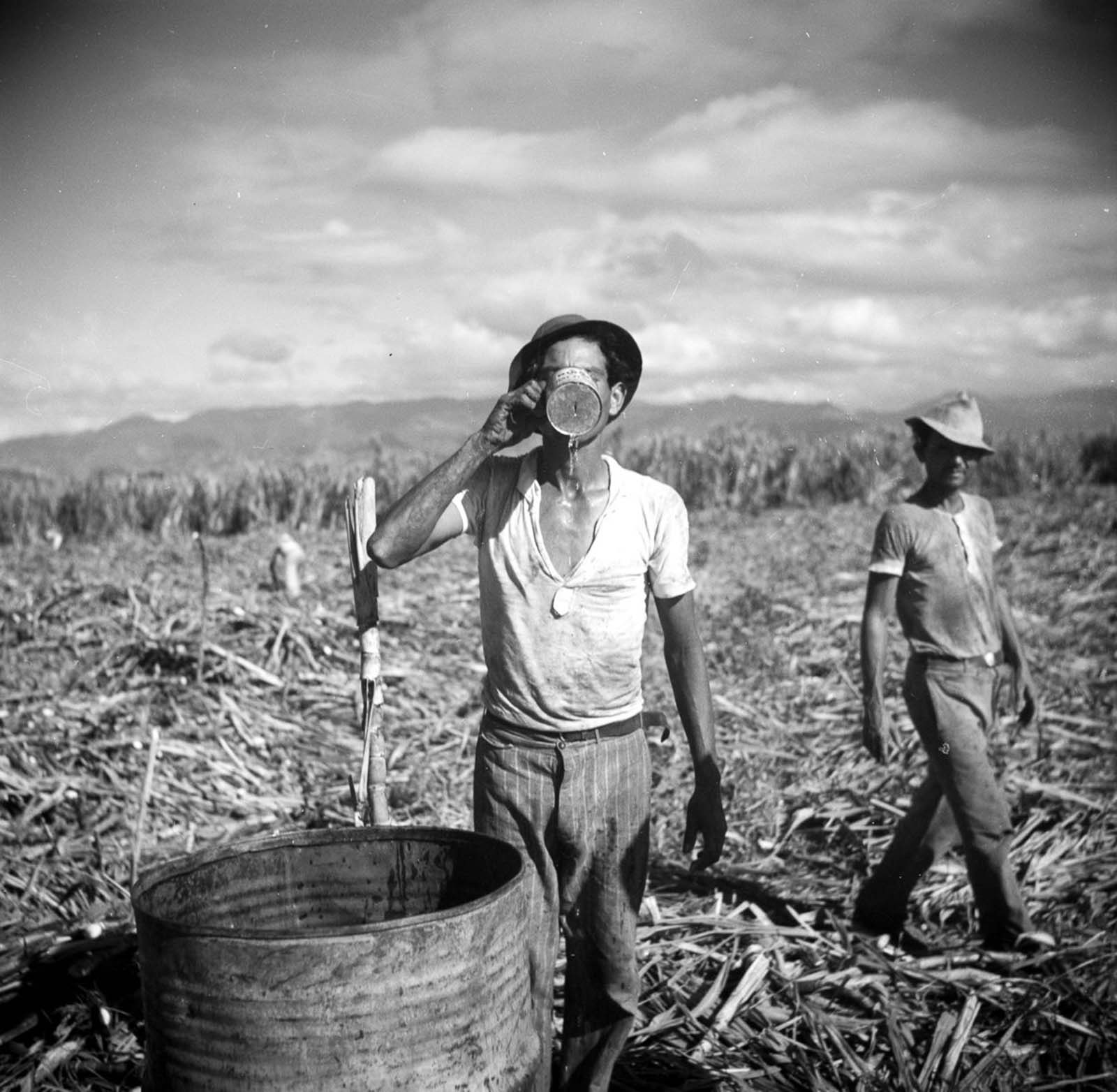
Internal and external migration also became essential. Every year thousands of Puerto Rican workers temporarily left their communities searching for employment wherever it could be found. Some harvested coffee in the central mountains. Others worked in tobacco or fruit production. Many found temporary employment building roads, bridges, schools, or public works whenever such projects existed.
Sugar workers also joined broader migratory labor circuits that connected Puerto Rico with other sugar-producing regions of the Caribbean and, increasingly during the twentieth century, the continental United States- and the Pacific going as far as Hawaii and the Philippines.
Long before the great postwar migration to New York and other cities in the United States- the Exodus– Puerto Rican workers had already become remarkably mobile, carrying with them their language, customs, music, food, and traditions.
They also acquired new cultural traits from every place they visited and brought it back to the island where it was modified and adopted as part of the cultural pantheon.
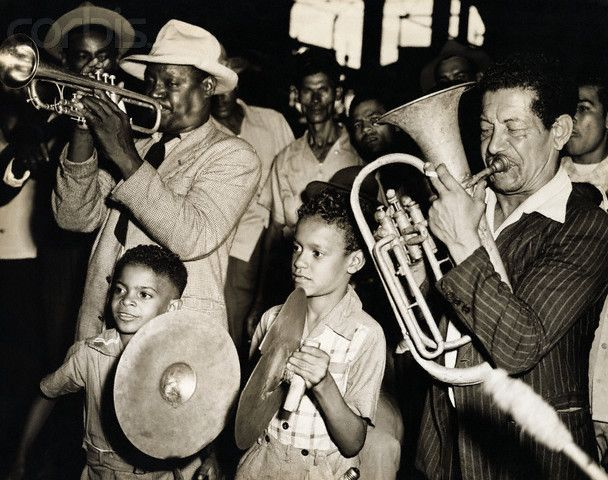
In many respects, Puerto Rican culture began leaving its global footprint not through tourism, but through labor while adding global components to their own identities and culture.
Life during these years demanded almost unimaginable endurance. Work began before sunrise and often continued until after sunset. Everyone contributed. Everyone labored. And yet most families owned neither the land they cultivated nor the humble huts they called home.
Many experienced periods of relative abundance immediately after harvest, only to descend into months of scarcity once wages disappeared. People might eat enough calories to quiet hunger, yet remain chronically malnourished.
Poor sanitation, contaminated water, parasitic diseases, tropical illnesses, and almost nonexistent access to medical care weakened bodies already exhausted by years of backbreaking labor beneath the Caribbean sun.
Perhaps the cruelest irony of all was this- the sugar cane cutter was among the best-paid agricultural laborers in Puerto Rico. If those workers could barely survive, one can only imagine the conditions endured by everyone else. Even within the context of the Caribbean during the Great Depression, rural Puerto Rico stood out for the depth and persistence of its poverty.
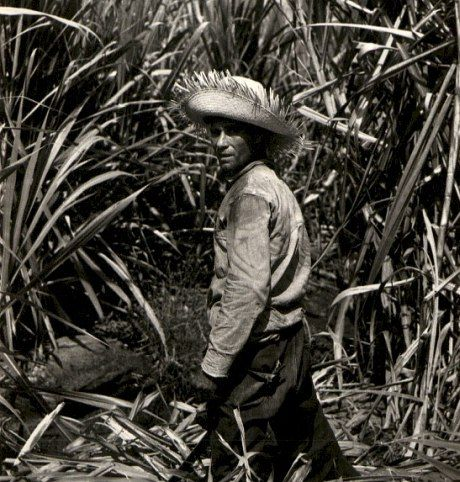
El tiempo muerto was therefore much more than an economic phenomenon. It was a social institution.
It shaped when couples married, whether children remained in school, who migrated, how families borrowed money, how communities organized themselves, and ultimately how Puerto Ricans understood politics, inequality, and survival.
By the 1930s, hundreds of thousands of rural Puerto Ricans experienced months of involuntary unemployment and abject poverty every single year because of the seasonal nature of the sugar economy.
Structural poverty was not an accident. It had become a way of life.
And as devastating as el tiempo muerto already was, conditions would deteriorate even further during the 1930s, when a perfect storm of natural disasters, economic collapse, and political failures struck the Island simultaneously.
Next Installment: Depresión Tropical: A Tale of Natural and Manmade Disasters and Defiance.


[…] Washington responded with the imperial stick and carrot. (See Installment 2: A Walk Through el Tiempo Muerto) […]
LikeLike
[…] Next Episode: A Walk Through El Tiempo Muerto […]
LikeLike