It Is Morning in America.
The first time I ever wrote an opinion piece, I was wide-eyed, celebrating Barack Obama’s election as the first African American president of the United States. But despite the significance of that incredible milestone, I focused on what lay ahead for him and how transformative his presidency could be. And it was.
But what we witnessed last night as the midterm election results started to trickle in -could prove to be an even more important inflection point in the history of this country—and in the history of “us.”
Two years ago, much of what we witnessed last night would have seemed inconceivable.
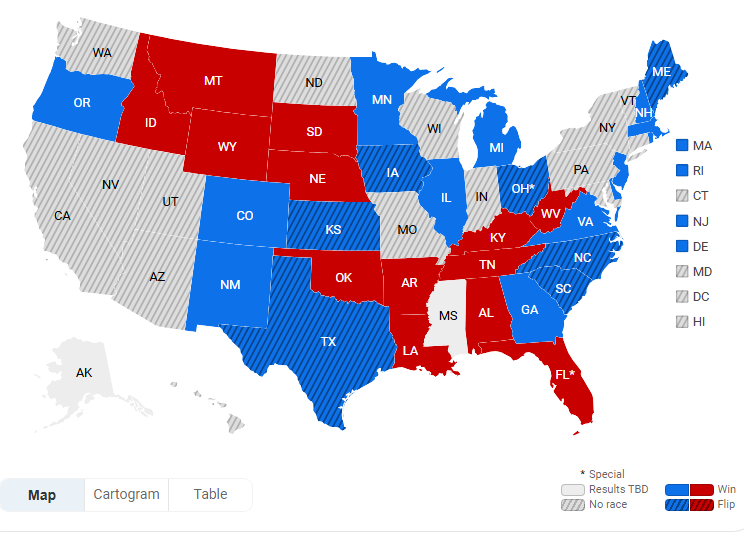
Democrats didn’t just win the 2026 midterms. They delivered a remarkable electoral repudiation of a sitting president and the political movement that has come to define his administration.
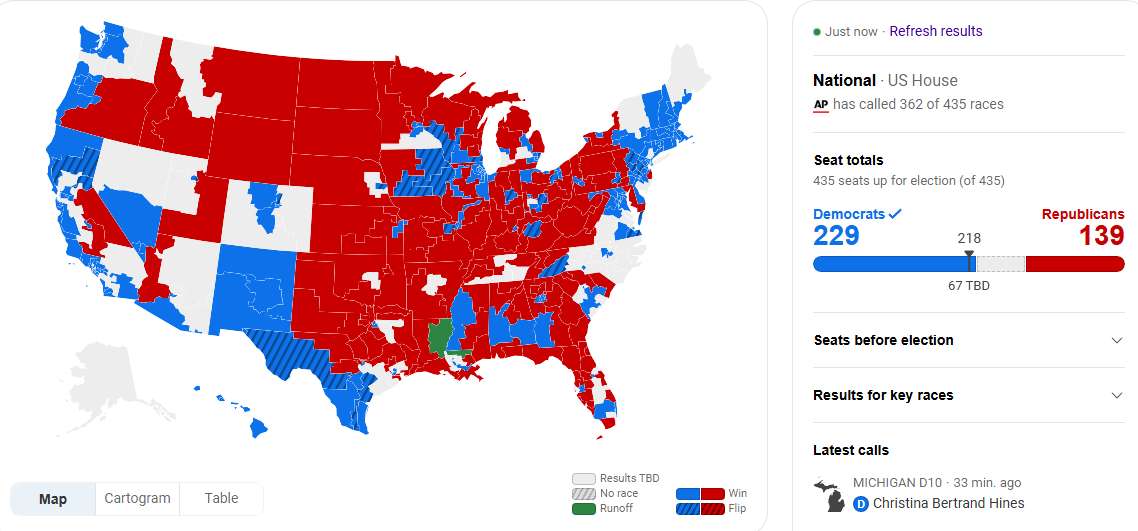
Republicans suffered their worst electoral defeat in roughly half a century, since Watergate. Democrats captured both the House and the Senate and are poised to build their largest House majority in decades.
But perhaps the most remarkable part of this election wasn’t simply how many seats changed hands. It was where, why, and who made it happen.
Democrats won in places they hadn’t carried in decades. They flipped traditionally Republican territory, including states and districts that Donald Trump had won comfortably in 2024. They made extraordinary gains in rural communities, suburbs, and urban centers. They broke through in places where Republicans had come to believe their electoral advantages were practically insurmountable.
The Senate map tells the story. Democrats flipped Republican-held seats in Iowa, Kansas, Ohio, North Carolina, South Carolina, and Texas, among others.
Josh Turek flipped Iowa. Adam Hamilton made history in Kansas, winning a Democratic Senate seat for the first time in nearly a century. Sherrod Brown returned to the Senate by defeating Jon Husted in Ohio. Roy Cooper won in North Carolina, and Annie Andrews pulled off an extraordinary upset in South Carolina.
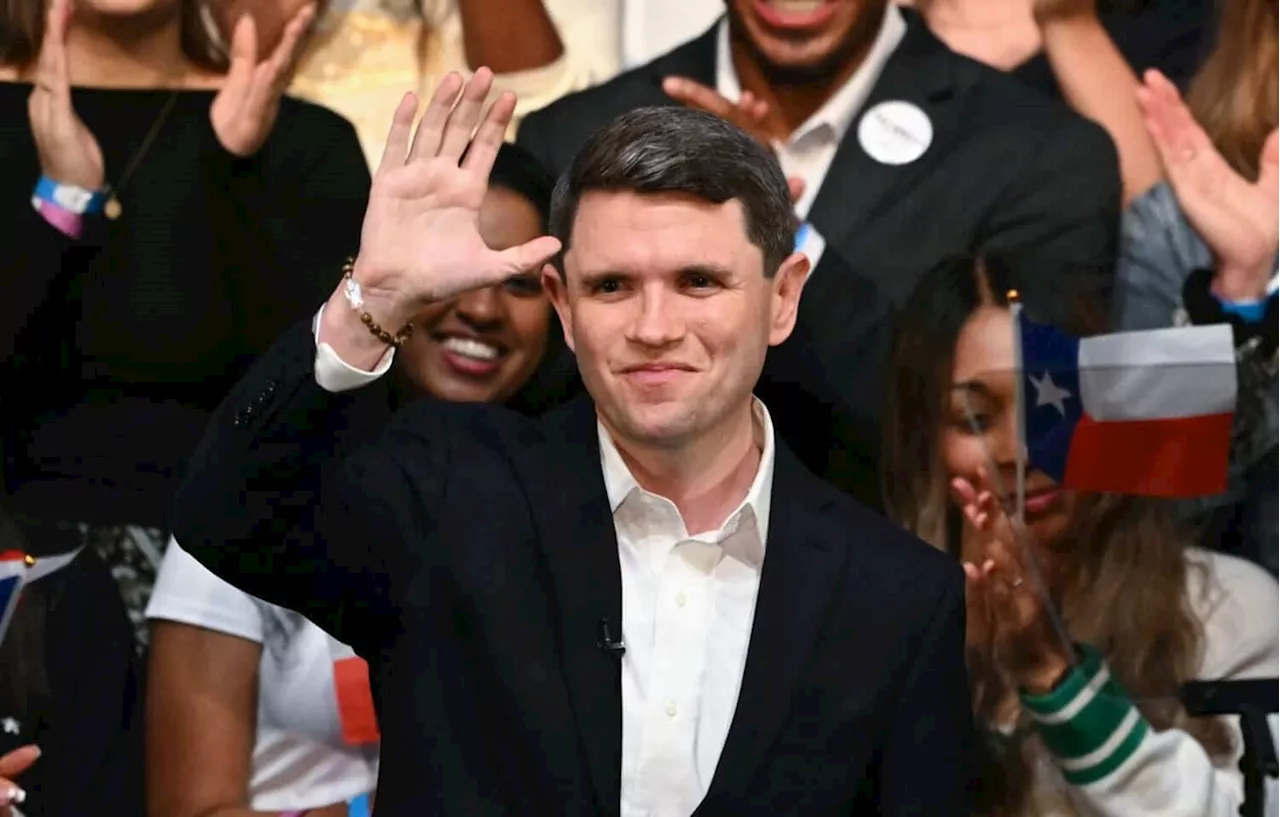
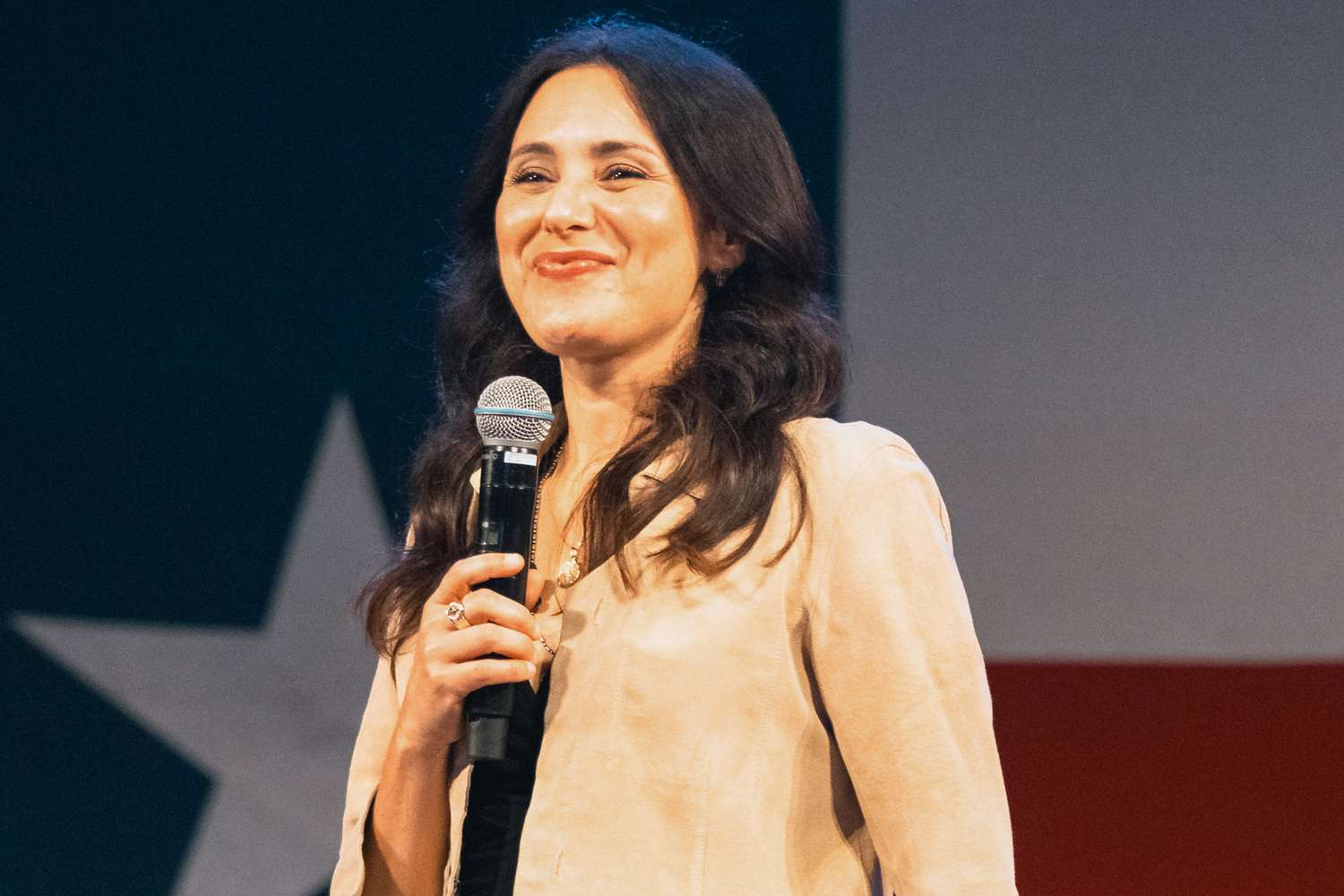
Texas elected Gina Hinojosa as its first Democratic governor in more than three decades, defeating Greg Abbott. James Talarico defeated Ken Paxton in the Senate race—and comfortably.
These weren’t isolated victories. Democrats also made major gubernatorial gains in Georgia, Ohio, and Iowa.
Then there are the historic firsts.
Abdul El-Sayed becomes the first Muslim elected to the United States Senate. Peggy Flanagan becomes the first Native American woman elected to the Senate. Chris Pappas becomes the first openly gay man elected to that chamber.
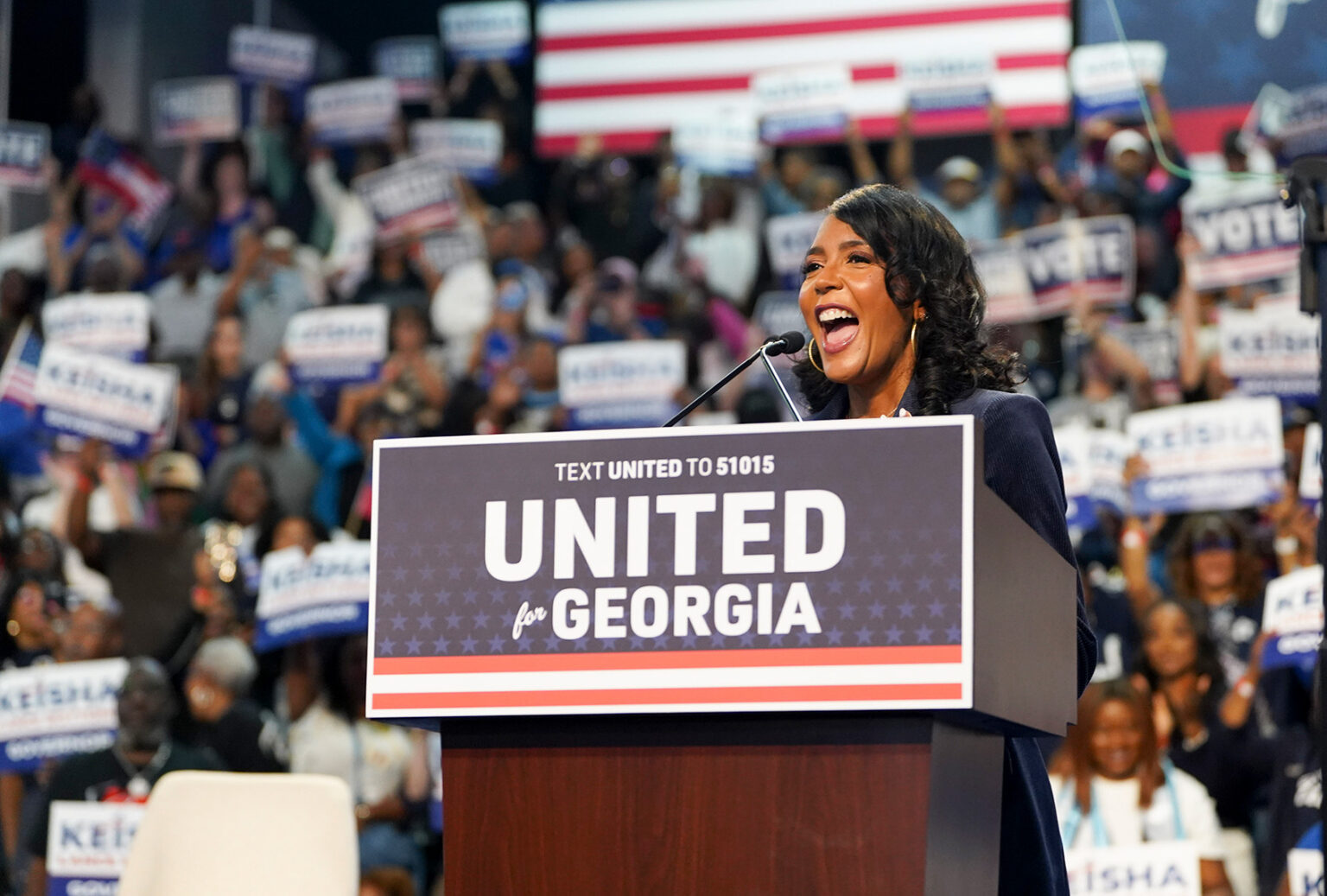
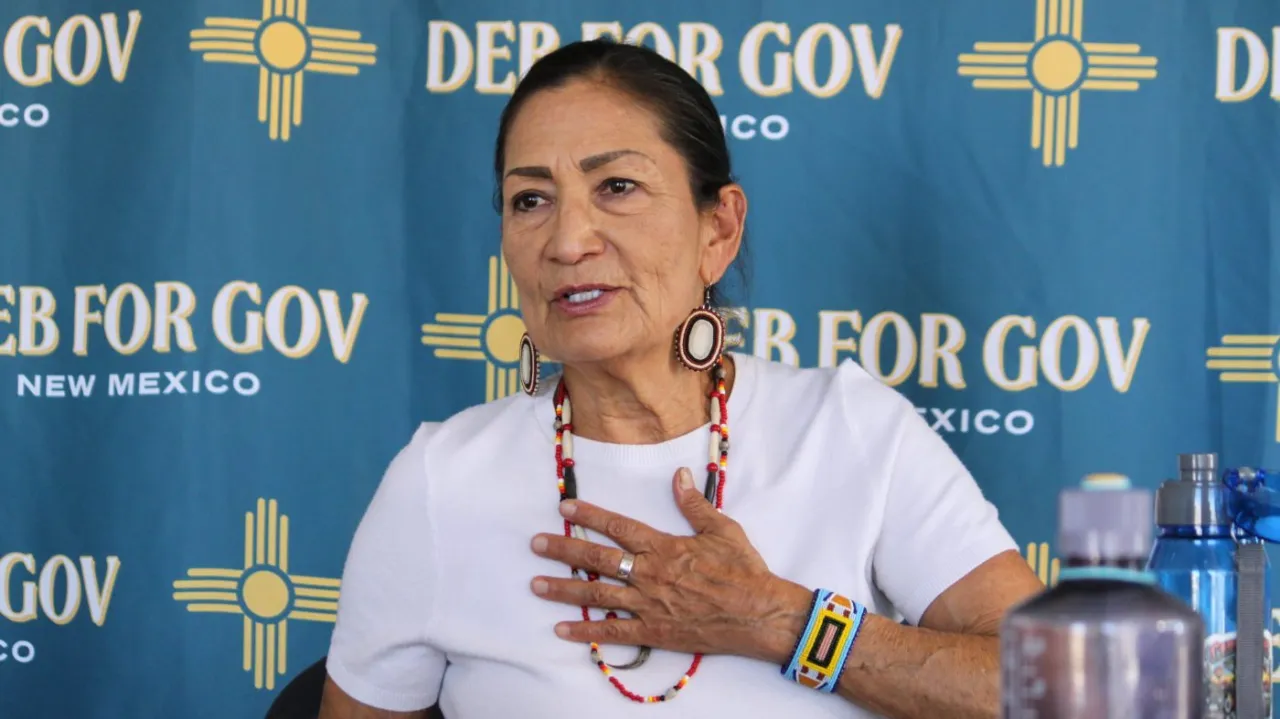
Georgia elected Keisha Lance Bottoms as the first Black woman governor in American history. New Mexico elected Deb Haaland, the first Native American woman to serve as a governor.
These are not merely symbolic milestones. They represent the continuing expansion of American political representation and the democratic promise that our institutions should reflect the people they serve.
But there is another dimension to these victories that deserves attention.
Candidates like James Talarico didn’t win simply by campaigning against Trump or appealing to the grievances of one political constituency. They offered a positive message about progress, possibility, and the kind of country Americans can build together.
His campaign demonstrated that it is possible to challenge the politics of division without making division the centerpiece of your own politics.
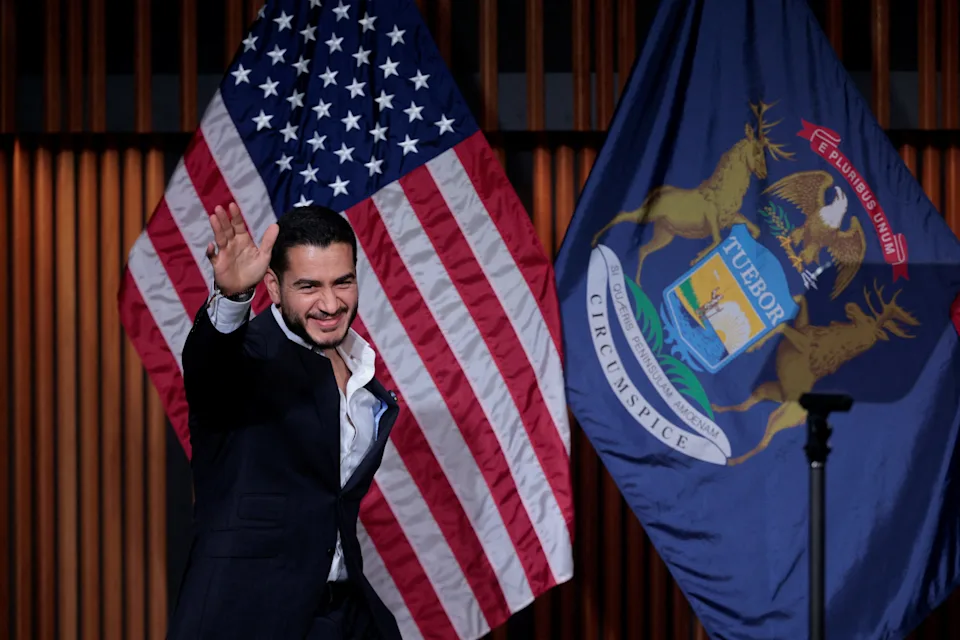
And Abdul El-Sayed’s historic victory should also be understood beyond the significance of his identity.
His campaign’s appeal to civic principles, constitutional government, and the responsibilities we share as Americans speaks to something fundamental in our political tradition.
In fact, like Talarico, El-Sayed won by focusing on what the role of government and American civic duty should be.
There is a distinction between celebrating the diversity of those who make up this country and reducing people to their identities. Both representation and common citizenship matter.
In fact, one of the most enduring stories of the American experiment has been the continuing struggle to expand the meaning of We the People. From the inception of this republic, generation after generation has challenged the limitations of who was included in that promise.
The expansion of citizenship, political participation, and equal rights has never been automatic or uncontested. It has been advanced through civic engagement, constitutional struggles, social movements, and the work of Americans who believed that the promise of this country should extend to more of us.
That is American civic culture at its best—not the erasure of our differences, but the recognition that our differences do not have to prevent us from sharing a common political identity and a common future.
This election also demonstrated that Republicans didn’t just lose Democratic voters. They lost independents, moderates, and conservative voters who either stayed home or crossed party lines. Even some traditional Bush-era Republicans in Texas openly celebrated Talarico’s victory, describing it as necessary to save American democracy.
This was a vote against cruelty.
Cruelty toward immigrants, the poor, the working class, the elderly, and those who are different. Against policies that threaten access to health care and essential benefits. Against the gutting of public institutions, including the Department of Education. Against the abandonment of longstanding allies and American responsibilities abroad. Against cozying up to dictators while alienating democratic partners. Against wars of choice, political corruption, and the erosion of the rule of law.
It was a rejection of the culture wars and manufactured outrage that have increasingly become substitutes for governing. A rejection of a politics that thrives on dividing Americans into enemies and political tribes rather than addressing the problems they actually face.
And it was, above all, a repudiation of what Trumpism has come to represent to millions of voters—cruelty, callousness, cronyism, corruption, contempt for constitutional limits, and a disregard for the institutions and principles that sustain American democracy.
Trumpism had been winning for nearly a decade. Many believed its political dominance was irreversible. Last night demonstrated that it wasn’t. At some point, the cost of that politics became too high, and a remarkably diverse coalition of Americans decided they had had enough.
But here is where Democrats need to be careful. Celebrate this victory, but don’t mistake it for an ideological mandate. Government requires compromise. And don’t confuse accountability with revenge.
There must be accountability for wrongdoing. The rule of law must apply equally, regardless of political affiliation, wealth, or position. Governmental abuses must be investigated, institutional safeguards restored, and those who violated the law held responsible through due process.
But accountability is not revanchism. It is not about settling scores, purging institutions of political opponents, or replacing one form of partisan domination with another.
The objective should be to restore the independence, credibility, and public trust of our institutions—not simply to change who controls them.
The same principle applies to every branch of government and every institution that serves the public. The presidency, Congress, the courts, the military, law enforcement, the civil service, and independent institutions must operate within their constitutional responsibilities, free from partisan capture and political intimidation.
Nonpartisanship does not mean the absence of political disagreement or the pretense that every issue has a neutral answer. It means that institutions serve the Constitution and the public, not a political leader, party, or faction.
And Democrats must resist the temptation to overreach or overcorrect the pendulum.
What we witnessed was the emergence of the big tent Democrats have talked about for years. And it is genuinely a big tent: progressives, democratic socialists, liberals, centrists, independents, disaffected Republicans, and conservatives who could no longer reconcile their principles with the direction of the Republican Party under Trump.
They did not all vote Democratic for the same reasons. They do not share the same political philosophy, priorities, or vision for the country. Some want a more expansive social safety net; others want fiscal responsibility and institutional stability. Some want sweeping reforms; others simply want government to function competently, respect the Constitution, and leave the culture wars behind.
That diversity is a strength, not a problem to be corrected.
The Democratic Party must understand that this coalition is held together, at least for now, by a common rejection of Trumpism. It is not an endorsement of every position held by the party’s progressive wing. The last thing Democrats should do is allow their own ideological factions to fracture this coalition, alienate its more moderate and conservative members, and repeat the mistakes that allowed Trumpism to take over the Republican Party.
There is another problem we need to recognize. The political class, the new media ecosystem, social media influencers, political operatives, and unscrupulous individuals often thrive on manufactured crises, outrage, and the constant balkanization of American society.
Their business models, political influence, and personal interests frequently benefit from keeping us angry, divided, and convinced that our fellow Americans are the enemy.
They profit from the spectacle. They benefit from the outrage. They turn every disagreement into an existential crisis and every political opponent into an enemy.
But We the People cannot afford it. We cannot afford a permanent state of political warfare.
We cannot afford to spend every election cycle tearing down institutions only to rebuild them in our own political image. We cannot afford to let the loudest voices, the most extreme factions, or those who profit from division dictate the terms of our national conversation.
The challenge now is to turn an electoral victory into responsible governance.
Can Democrats recover the idea that government has a legitimate and necessary role in improving people’s lives? Can Congress become once again a functioning institution where disagreement, negotiation, and compromise are not signs of weakness but essential elements of representative democracy? Can we restore public trust by demonstrating that institutions can work for everyone, regardless of political affiliation?
Can we move beyond governing for one political tribe and return to governing for all Americans?
We need to restore civic discourse. We need to recognize that political opponents are not necessarily enemies, that disagreement is not treason, and that compromise within our constitutional framework is not surrender.
We need to remember that democracy is not simply about winning elections. It is about what we do with the responsibility voters have entrusted to us.
So yes, this is a historic victory. And it may very well represent an inflection point in American politics.
But let’s also remember how we got here. It took years of increasingly extreme politics, institutional erosion, cruelty, corruption, and a government that seemed more interested in settling scores and fighting cultural battles than addressing the needs of the American public. It had to get this bad for such an unlikely coalition to come together.
It is morning in America. But this time, the message should be bigger than a party, a candidate, or an election.
It should be about recovering the best of our civic traditions. About rebuilding trust in our institutions. About restoring the idea that public service is a responsibility, not an opportunity for personal enrichment or political vengeance.
It should be about moving forward rather than settling scores. About expanding the meaning of We the People rather than shrinking it to those who think, look, or vote like us.
A morning for decency over cruelty. Competence over chaos. Accountability over revenge. Civic responsibility over political tribalism. And constitutional democracy over the politics of personal power.
The question is whether Democrats—and the rest of us—are wise enough to recognize the opportunity and not squander it.
Because winning an election is one thing. Earning the trust of a diverse nation, restoring its institutions, and governing responsibly is quite another.
Back in 2008, I spent political capital I didn’t know I had to join the millions of Americans who believed in Barack Obama’s message of hope, unity, civic virtue, and civic duty—and in the possibility of moving our country forward. Wide-eyed, I penned that first social media post and agreed to publish it in one of the university newspapers. It was full of hope and optimism, but I also warned that it was up to us to keep the people we elect honest, because we are the source of their legitimacy and power.
We are the people.
And today, I’m once again full of hope. But I also invite you to do your civic duty: stay engaged, ask questions, and hold our elected officials accountable. Not just those we disagree with, but those we support, too.
Last night was only the beginning.
We the People.
_________________________________________________________________
Continue Reading; The 1937 Warning We Have Forgotten – in cOHERENT Thoughts

