The 25th anniversary of the September 11, 2001 terrorist attacks, the 250th anniversary of the founding of the United States, and the continuing American experiment with democracy provide an appropriate moment to ask much larger questions: Why have Western-style liberal democracies survived? And why do they remain under such extraordinary pressure today?
The question is not simply whether democracy will survive. It is also what kind of democracy will survive, whom it will serve, and whether the principles that Western democracies claim to represent can ever become genuinely global principles rather than political instruments selectively promoted when convenient.
Liberal democracy has never been inevitable. It has repeatedly been challenged from within and from abroad. It has survived wars, fascism, economic catastrophes, terrorism, virulent nationalism, racial conflict, political violence, authoritarian movements, and its own contradictions.
And yet, every time these democracies have survived, they have done so in part because they contained an idea more powerful than the governments that temporarily occupied their institutions: the idea that political legitimacy ultimately rests with the people; that government exists through the consent of the governed; that individuals possess rights that governments are not supposed to take away; and that political disagreement does not have to end in political annihilation.
That is the promise.
The tragedy is that the societies that developed and defended these ideas have repeatedly failed to live up to them. And perhaps even more consequentially, they have repeatedly failed to allow the rest of the world to embrace and develop these principles on its own terms.
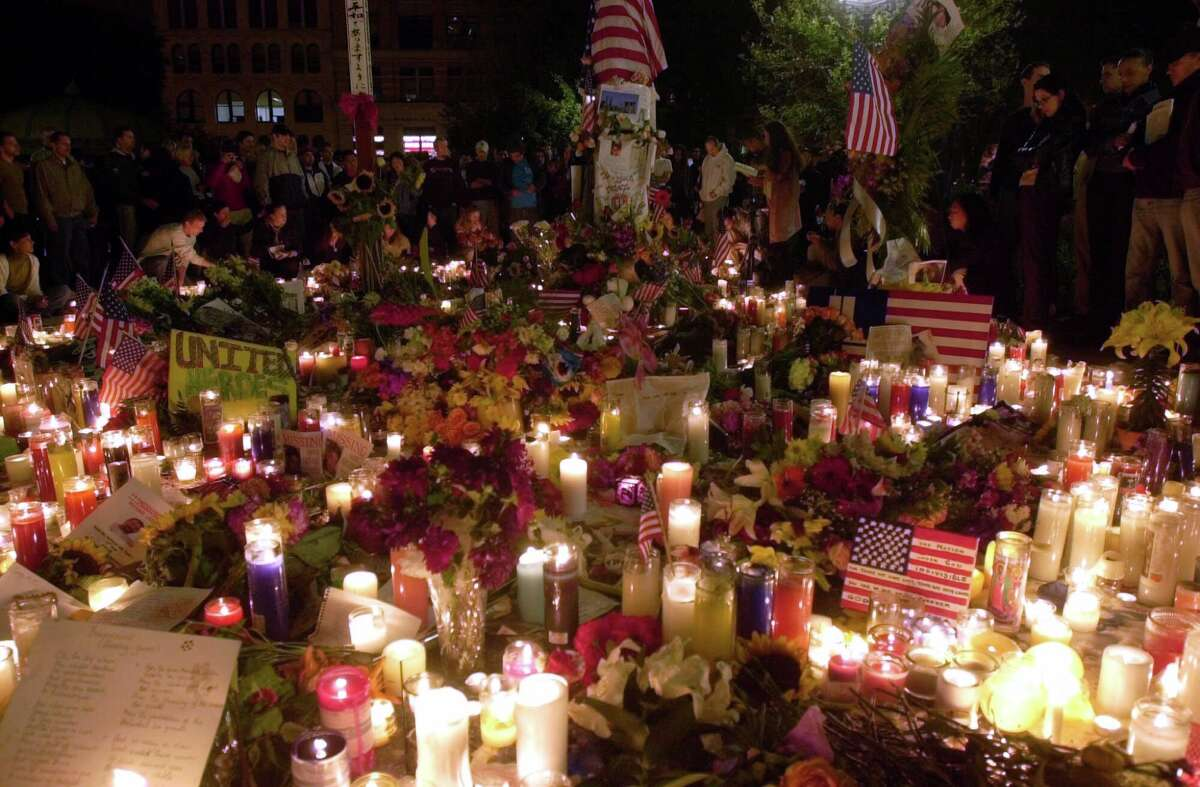
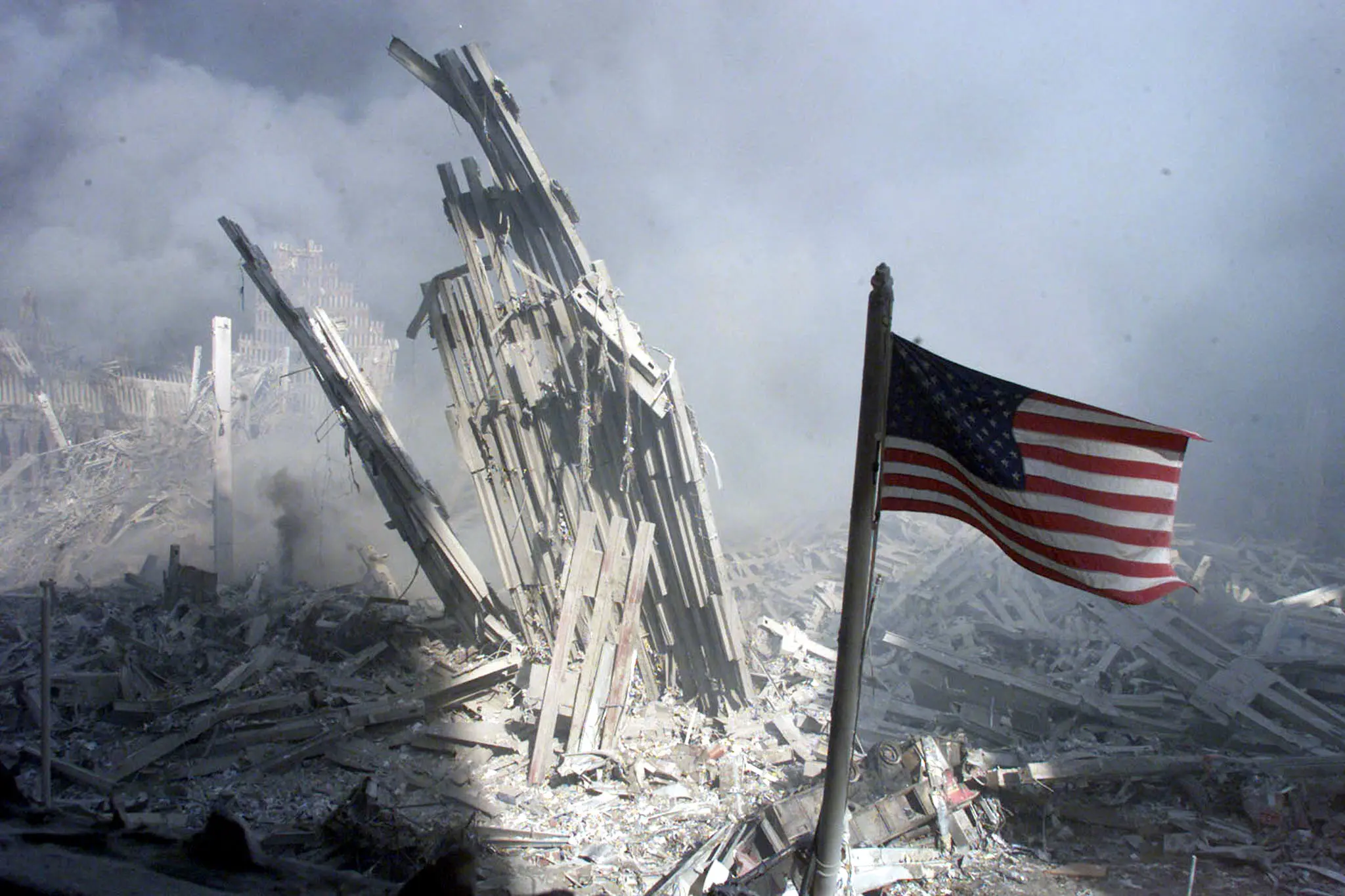
Another Historical Crossroads: The 25th anniversary of the September 11, 2001 terrorist attacks will be observed on September 11, 2026. The attacks on the World Trade Center in New York City, the Pentagon in Arlington, Virginia, and United Airlines Flight 93 in Shanksville, Pennsylvania killed nearly 3,000 people and profoundly altered the United States and the world.
September 11 was another crossroad in global history. And it was another opportunity missed by Western-style democracies to fully engage with the world—not simply as a collection of markets, military theaters, strategic alliances, and potential enemies, but as a collection of societies with their own histories, cultures, identities, aspirations, and political traditions.
It was an opportunity to demonstrate that liberal democracy could be genuinely pluralistic; that democracy did not require cultural homogenization; that societies could retain their languages, religions, customs, identities, and historical memories while participating in systems based upon political equality and popular sovereignty.
In other words, let culture do its thing. Allow societies to develop organically. Allow democracy to acquire different cultural expressions without demanding that everyone reproduce the exact institutional, economic, or cultural model of the United States or Western Europe. And, most importantly, allow liberal democracy itself to become what it claims it can be.
Instead, we repeated many of the mistakes made after World War I, after World War II, and at the end of the Cold War. Moments when the international system seemed to be offering another opportunity to build a more democratic world. Instead, once again, we squandered the opportunity.
The Cold War Ends- After the rapid American-led coalition victory in the Persian Gulf War and the collapse of the Soviet Union in 1991, it appeared that Western-style democracies had finally won the Cold War.
Capitalism and free markets reigned supreme.
The Soviet satellite and puppet regimes that had spread across Eastern Europe collapsed. At the same time, right-wing and military dictatorships allied with the United States and the West also began disappearing. From Romania to the Philippines, authoritarian regimes that had once been justified as necessary bulwarks either against capitalism or communism were no longer required for regional security, intelligence gathering, or proxy warfare.
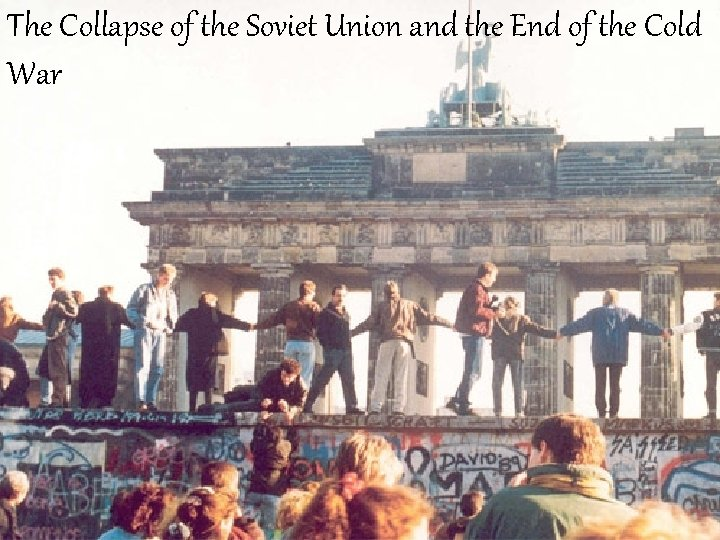
The world appeared to be entering something fundamentally different. Communism had failed. Military dictatorships were retreating. Apartheid was collapsing. The Soviet Union disappeared. Eastern European societies were beginning to experiment with competitive elections and political pluralism. The Berlin Wall had fallen.
And liberal democracy appeared to be the obvious destination.
This was the world in which Francis Fukuyama famously described the possibility of the “end of history”—not the end of events, wars, or political disagreements, but the possibility that the ideological evolution of humanity had reached a point where liberal democracy and market capitalism represented the ultimate political and economic model. For a moment, it was difficult to argue otherwise. But there was a fundamental problem. The triumph of Western capitalism was not accompanied by an equivalent triumph of democracy.
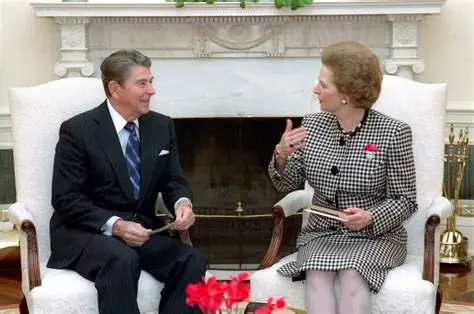
Neoliberalism Wins- For neoliberalism—the political and economic philosophy emphasizing free markets, privatization, deregulation, reduced government spending, free trade, globalization, and increasingly market-based solutions—the world was its oyster. The ideas associated with political leaders such as British prime Minister Margaret Thatcher and American President Ronald Reagan had become dominant. The United States itself was moving toward a political consensus in which even the Democratic Party embraced substantial portions of the neoliberal economic framework.
And why not? It seemed to be working. Global trade expanded. Capital crossed borders at unprecedented speed. Corporations became increasingly transnational. Manufacturing moved around the world in scales previously unimaginable. Consumer goods became cheaper. Technology transformed communications. And millions of people were lifted into new economic circumstances.
But something fundamental was missing. The advance of neoliberalism and globalization was not accompanied by a comparable advance of political freedom and democratic participation in most places. In fact, the 1990s exposed some of the contradictions at the heart of the new global order. Transnational corporations—from Nike to GAP and others—were repeatedly criticized for outsourcing production and relying on sweatshops and forms of highly exploited labor. The world was becoming more economically interconnected without necessarily becoming politically equal. And that distinction would prove enormously important.
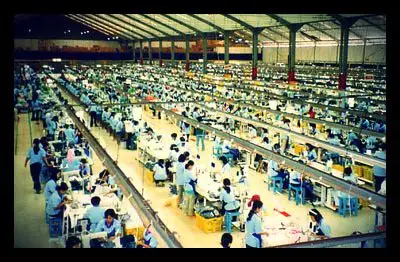
Globalization connected people. But it did not necessarily empower them. It created markets faster than it created democratic institutions capable of governing those markets. It encouraged the movement of capital across borders while millions of workers remained trapped within political systems over which they had little meaningful control. The world was becoming global. But it was not necessarily becoming democratic.
The Forgotten Allies- As the United States and the West emerged as the dominant global power, the strategic importance of some former allies diminished. Afghanistan is perhaps one of the clearest and saddest examples. During the Cold War, the United States had supported the Mujahideen fighting the Soviet occupation. Intelligence assistance, military aid, money, weapons, and political support flowed into the conflict because Afghanistan was understood primarily through the prism of the Cold War. When the Soviet Union withdrew and collapsed, however, Afghanistan ceased to occupy the same strategic position. Military and intelligence assistance declined or disappeared. The political commitment disappeared with it. The mission of promoting democratic values and stable political institutions was either abandoned or had never truly been the priority.
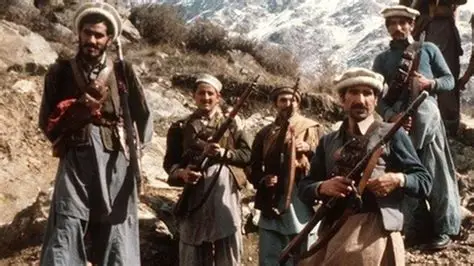
This is one of the recurring contradictions of American foreign policy. We often speak of democracy as a universal value. But historically, we have too often treated it as a strategic preference. When democracy serves American interests, we celebrate it. When an authoritarian government serves American interests, we tolerate it. And way too many times we have actively supported it. That contradiction did not disappear with the Cold War.
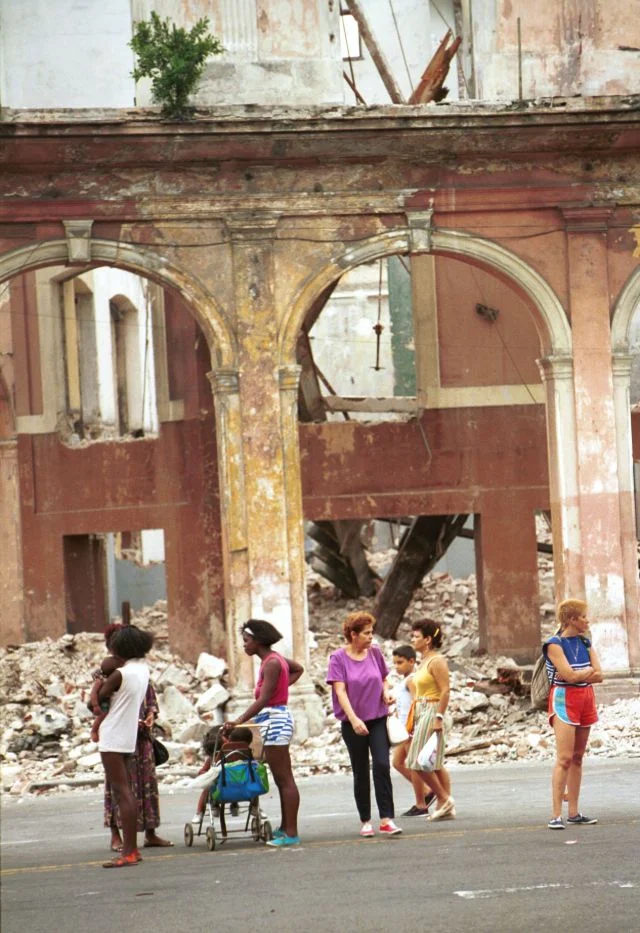
The Other Abandoned Allies- Afghanistan was not alone. Cuba represented the opposite side of the Cold War relationship. Once the Cuban Revolution transformed Cuba into a socialist dictatorship allied with the Soviet Union in 1960s, the island became a persistent strategic, ideological, and political thorn in the side of the United States. But Cuba also demonstrates how the Cold War transformed societies into pieces on a geopolitical chessboard.
Puerto Rico experienced its own version of this dynamic. For Puerto Rico, the island’s position as the perennial American colony meant losing many of the benefits that had accompanied its strategic role as Cuba’s counterpart in the capitalist-versus-Soviet competition. Puerto Rico had become an important American military and geopolitical outpost, while its tax incentives and broader economic arrangements attracted some of the most advanced technological companies to the island. Its strategic importance was only second to its ideological one. But when the Cold War ended, the strategic rationale that had helped sustain that position weakened.
The lesson was very painful indeed: When geopolitical usefulness declines, what happens to the people who were organized around that usefulness? More often than not- they are abandoned- left with a litany of broken promises- and unaddressed grievances which will inevitably metastasize.
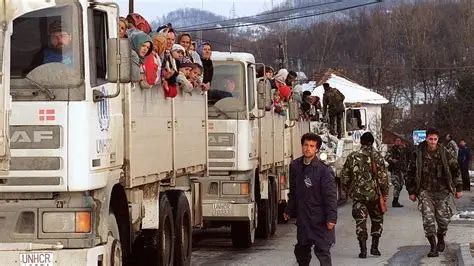
The Illusion of the Peaceful 1990s- For a decade, the world appeared relatively peaceful and stable. But if we looked more closely, the ugly head of right-wing nationalism was already rising again in Europe. Yugoslavia disintegrated. And factional warfare followed. Serbian and Croatian nationalists committed atrocities against one another and against other ethnic communities, including genocide and ethnic cleansing. The international community struggled to respond. Eventually, the United Nations and a NATO air campaign helped stop years of carnage. The lesson should have been obvious. The end of the Cold War had not ended nationalism, ethnic conflict, authoritarianism or political violence. And it certainly had not ended history.
Meanwhile, throughout the Middle East and parts of the Muslim world, increasingly radicalized Islamic organizations turned toward terrorism. They attacked not only Western targets but also their own governments—often repressive dictatorships that were themselves portrayed as puppets, clients, or lapdogs of the United States and the West. These governments were frequently associated with globalization, Western political influence, economic dependency, cultural assimilation, and what many within their societies perceived as an assault on traditional identities.
These movements were not simply responding to religion. They were also responding to power. They were responding to the perception that the West had achieved political, economic, military, and cultural dominance over much of the planet.
The Culture Wars Were Already Here- Radical Islamic organizations and nationalist movements were responding, in different ways, to what they perceived as Western political and economic domination and globalization. Military alliances and regional security agreements advanced Western influence. Economic globalization transformed local economies. And cultural globalization transformed identities. Young people around the world were adopting Western music, clothing, language, entertainment, consumer culture, and social practices.
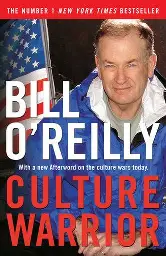
The reaction was inevitable. There is a reason that culture wars moved to the center of political life during the 1990s—and never really left us.
Culture became the battlefield because culture is ultimately about identity. And identity is political. The radical Islamist sees cultural globalization as a threat to religious and civilizational identity. The extreme nationalist sees multiculturalism and demographic change as a threat to ethnic or national identity. The extreme left often sees capitalism and Western imperialism as the principal sources of global inequality and domination. They disagree profoundly with one another. But they can nevertheless converge around opposition to the existing global order.
The Extremists Converge– By the end of the twentieth century, three broad categories of political reaction had become increasingly visible: radical Islamic movements, extreme-right nationalist movements, and extreme-left movements. They opposed globalization and neoliberalism for very different reasons.
The extreme left often opposed capitalism itself and envisioned another form of globalization—one that would ultimately transcend capitalism and internationalize revolutionary politics.
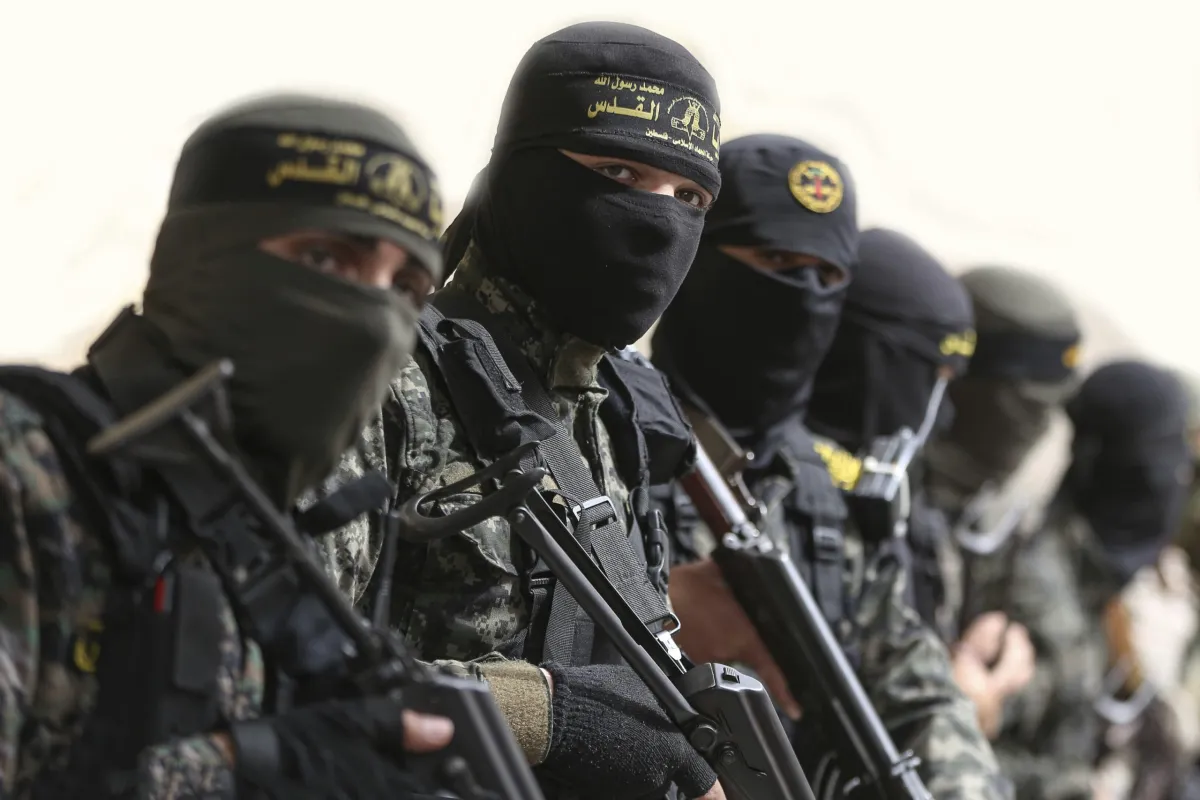
Radical Islamic militant organizations sought sovereignty and independence from Western political, military, and economic interference. Their central concern was often cultural and religious identity, including calls for a return to an idealized era of Islamic civilization and the great Caliphates. In a sense, it was a religious version of “Make Islam Great Again.”
Religious movements could sell culture in much the same way ethnic movements sold nationalism. But their visions for organizing economic and political life could be profoundly different from those of the extreme left.
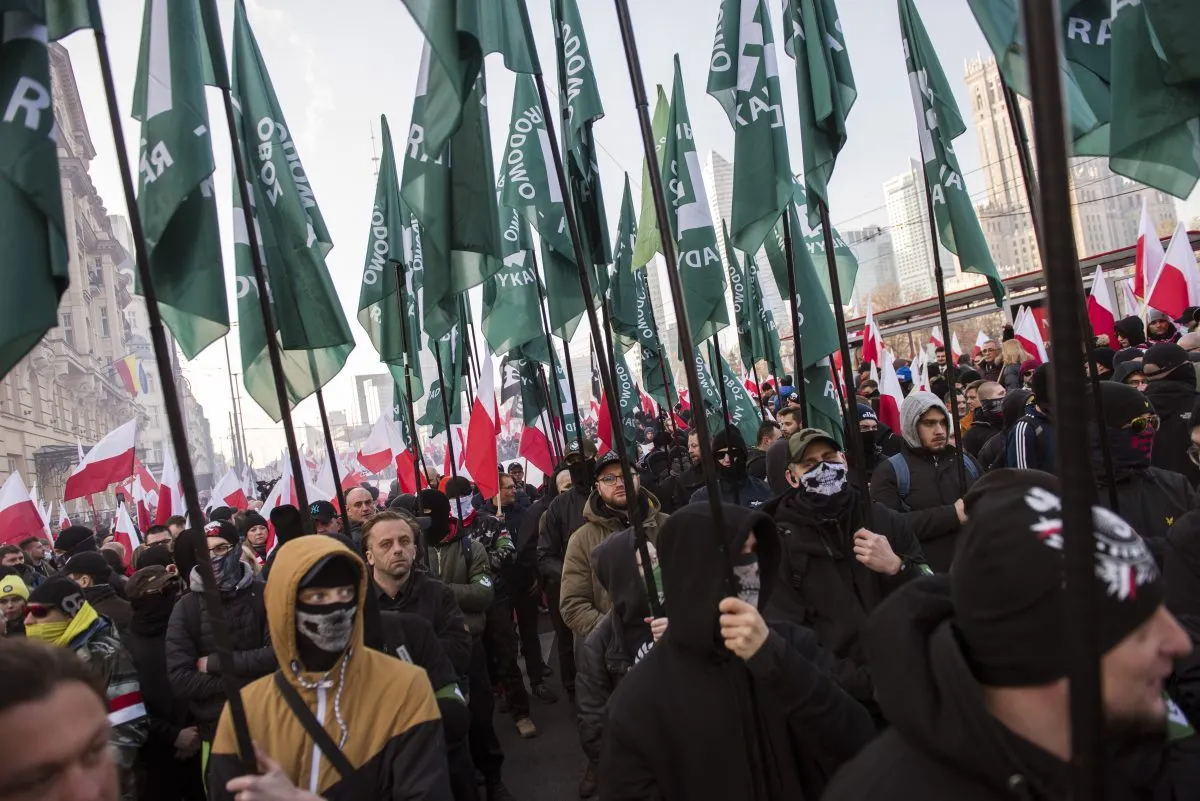
And then there were the many versions of right-wing and extreme-right nationalism—from Europe to the United States, Canada, and South America. Like their supposed nemesis, radical Islam, many of these movements made culture their preferred political weapon.
They sought to preserve identities that had historically brought them political power—or identities whose dominance previous generations had institutionalized. They reject multiculturalism and the demographic consequences of globalization. They fear a world becoming increasingly Black, Brown, mixed, multilingual, and culturally pluralistic.
And here lies one of the great ironies of modern globalization: the same globalization and imperialism that helped create a world structured around racial and cultural hierarchies was now beginning to undermine those very hierarchies. The world was changing. And some people were terrified by the change.
The Failure to Understand the Warning Signs- Globalization was, in many respects, doing what globalization does. People moved. Cultures mixed. Ideas crossed borders. Technology accelerated communication. Economic relationships became increasingly interconnected. National boundaries became less effective at controlling the movement of culture. The result was not the disappearance of identity but their multiplication.
Many policymakers treated the growing unrest as a manageable nuisance. Think tanks and policy makers often assumed that the combination of economic growth, technology, military superiority, and globalization would gradually stabilize the world. More “tank” than “thinking” if you ask me. Intelligence gathering increasingly relied upon technology rather than human networks. Cultural missions and sustained engagement were neglected. The promotion of stable, genuine democratic institutions was subordinated to economic interests and geopolitical calculations.
Neoliberal globalization created enormous wealth, but it also created new layers of poverty, insecurity, and inequality—both in the developing world and at home. And those conditions created fertile ground for political extremism and radicalization.

Some people turned toward the radical left. Some romanticized the old Soviet Union while ignoring its monumental crimes. Others genuinely responded to the damage neoliberal economic policies were doing to hundreds of millions of people. Others turned toward radical nationalism. Others toward religious extremism– and I must add that since at least the 2010s– both the United States and Europe have seen an previously unthinkable growth of extreme right wing white Christian nationalist movements and militias that look more and more like what we accused Al Qaueda, the Taliban and Daesh of being.
The motivations differed. But the anger was real.
We Have Seen This Before- I have always argued that if the United States and the West had truly believed their own World War II propaganda—particularly the language of national self-determination—and the principles eventually embodied in the United Nations Charter, and had genuinely promoted and supported democratic values throughout their former colonies and around the world rather than relying so heavily on strongmen, military juntas, and right-wing dictatorships, the Cold War might have lasted no more than a decade.
That is admittedly a counterfactual. But it is an important one. Because the Cold War was not inevitable. It lasted as long as it did in part because the United States and much of the West did not fully believe that most of the world’s population—and significant portions of their own populations—were ready for full participatory democracy.
The assumption was that democracy had to be managed; that some societies and people were not ready and may never be ready for it; that some populations required strong governments before they could handle political freedom; and that “stability” had to precede democracy. And sometimes, explicitly or implicitly, that Western societies were simply more prepared for democratic government than peoples elsewhere.
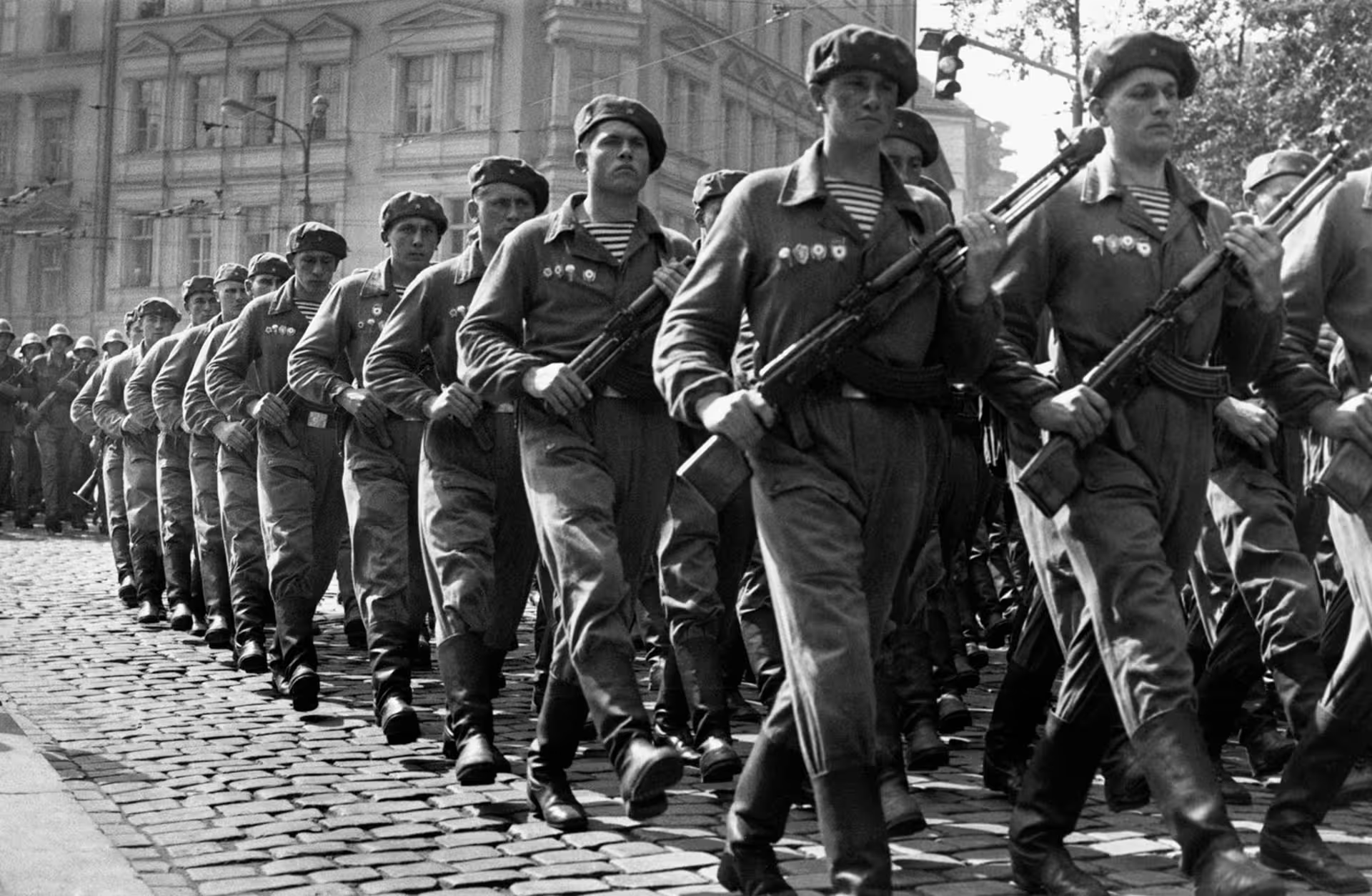
The Soviet Union made this argument easier to sustain because it was so much worse. It was brutal. It was bluntly repressive. It frequently treated even its allies with extraordinary ruthlessness. And it was economically and politically mismanaged and ever-increasingly paranoid. It killed its own heroes. And ultimately, it could not compete successfully with the West- whether it be economically, technologically, militarily or culturally.
But defeating the Soviet Union did not automatically validate everything the West had done. It merely demonstrated that the Soviet model was worse. And those are not the same thing.
World War II and the Survival of Democracy- World War II was not simply a military conflict. Far from that- it was an ideological conflict. Western liberal democracies were attacked from within and abroad by extreme right-wing nationalism, radical leftist movements, military fascist oligarchies, and authoritarian regimes.
The Western democracies strategically allied themselves with the Soviet Union to defeat two colossal threats in Europe—German Nazism and European fascism—while simultaneously confronting Japanese theocratic ultra-nationalist military imperialism.
It was an extraordinary contradiction. The United States and its democratic allies temporarily allied with one authoritarian ideological enemy to defeat other authoritarian ideological enemies. They did so because the survival of the democratic world was at stake. And it worked. The democracies survived.
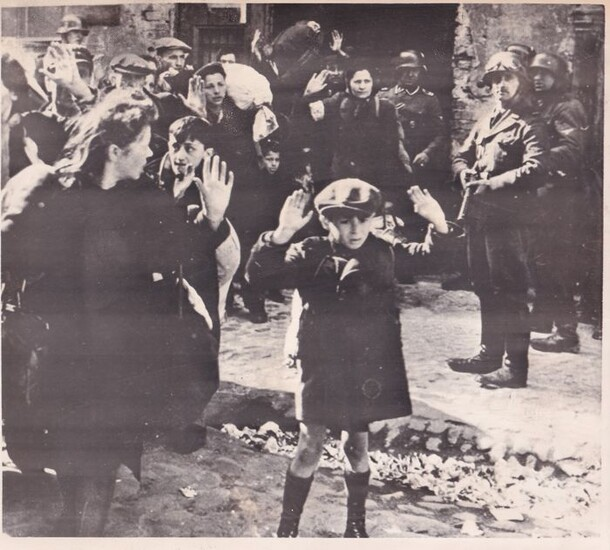
But the victory contained another missed opportunity. The postwar world was reconstructed through institutions that promised international cooperation, self-determination, human rights, and collective security.
Yet the old geopolitical habits did not disappear. Colonialism did not simply vanish. Racial hierarchies did not disappear. Great-power politics did not disappear. The United States and its allies continued to support authoritarian governments when strategic interests demanded it. The Soviet Union did the same. And much of the world remained caught between two superpowers claiming ideological legitimacy while frequently denying political agency to the people living within their spheres of influence.
The Second Squandered Opportunity- Then came the end of the Cold War. Again, the signs were there. The Taliban assassinated the head of the Northern Alliance. The USS Cole was attacked while in port in Yemen. Domestic racial unrest and police brutality continued. Domestic terrorism was frequently interpreted through the convenient framework of isolated individuals and supposed “lone wolves.”
But the larger political and social patterns were often missed. The United States and the West possessed extraordinary military, economic, technological, and cultural power. But power is not the same thing as legitimacy. Legitimacy cannot be manufactured through military superiority. However, the opportunity after the Cold War was enormous. The Soviet Union had collapsed. The United States was dominant. Western liberal democracy appeared triumphant. The world was watching.
Instead of using that moment to demonstrate the genuine universal possibilities of participatory democracy, we increasingly promoted economic globalization and neoliberalism while continuing to tolerate political systems that served American strategic and economic interests. Once again, the promotion of genuine democracy was subordinated to profits, markets, strategic interests, and economic domination. Then came September 11.
September 11, 2001- I do not believe the United States and its allies had ever been in such a position of political, economic, military, and cultural power while simultaneously enjoying such widespread global sympathy and holding the moral upper ground. For a brief moment, the moral position seemed extraordinarily clear. The United States had been attacked. Nearly 3,000 civilians had been murdered. Al Qaeda had declared war on the United States. The world watched. And the world, for the most part, understood.
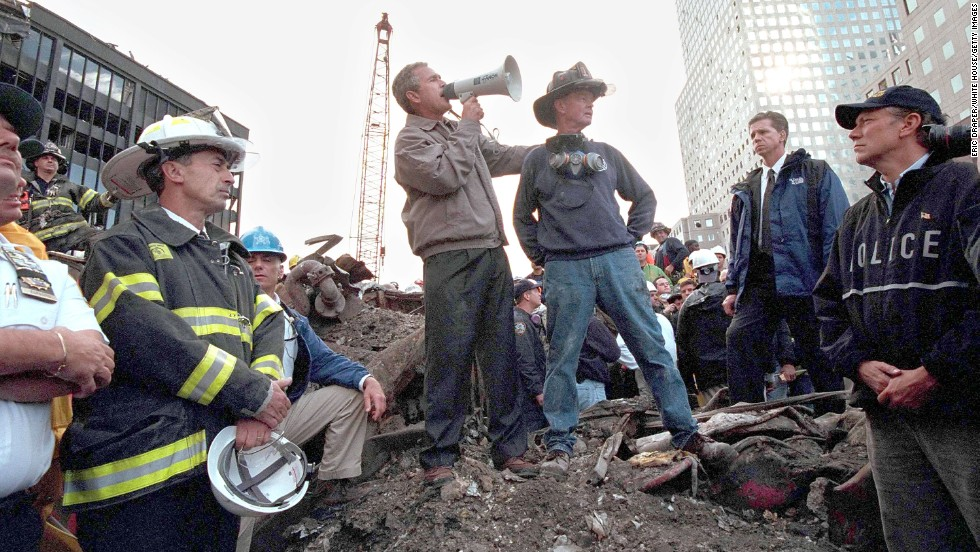
This was perhaps the greatest opportunity in modern history to demonstrate what liberal democracy could actually mean and deliver. Instead, we responded with another form of neoliberal imperialism.
Rather than using the moment to completely discredit terrorism and radical Islamist violence while simultaneously promoting genuine democratic reform, political participation, and accountable government, we embarked upon regime-change projects and attempted to construct tutelary states in places such as Afghanistan and Iraq.
We launched endless wars. Quagmires. Wars that became increasingly difficult to explain in terms of the original threat- because they had nothing to do with it. Wars of aggression euphemistically called “preventive wars” that did not simply weaken our enemies but multiplied them. Wars that helped undermine the credibility of the democratic model itself. And wars that cost the West something that military power cannot recover: moral authority.
What Does Democracy Mean to the Person Under the Bomb? For those of us in the United States and most of the West, the wars often became background noise. We were largely insulated from them. A generation grew up under conditions of what might be called low-intensity war. The wars were always there. But unless their consequences reached our pockets, our communities, or our families, they remained distant.
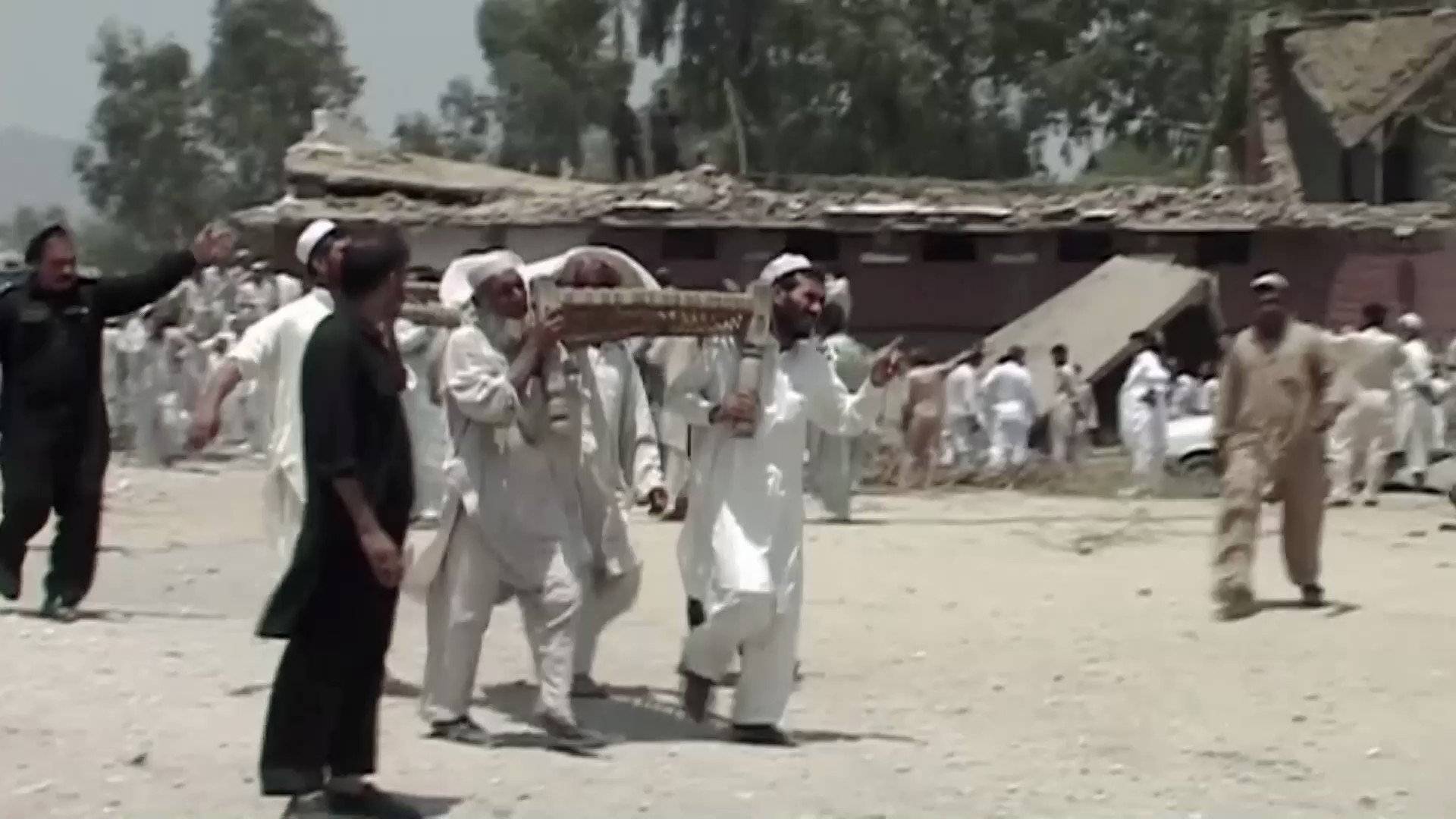
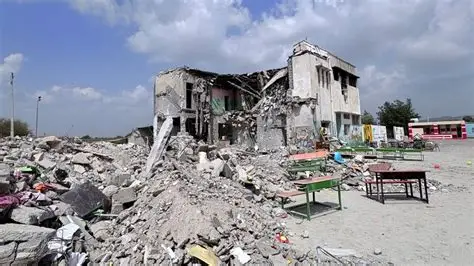
What about the places where the bombs were and are actually falling; where the bullets are killing and the mines maiming; where drones and airstrikes kill those identified as terrorists and annihilate their whole families at a burial or a wedding party killing innocent children and women as “collateral damage”?
What happens to the credibility of a democratic system when drones designed to eliminate terrorists also destroy families at funerals or weddings? What does democracy mean to the person standing in the rubble? To those detained and tortured?
These are not abstract questions. They are political questions. And they are questions that directly affect whether people around the world see Western liberal democracy as an aspiration—or as another form of domination.
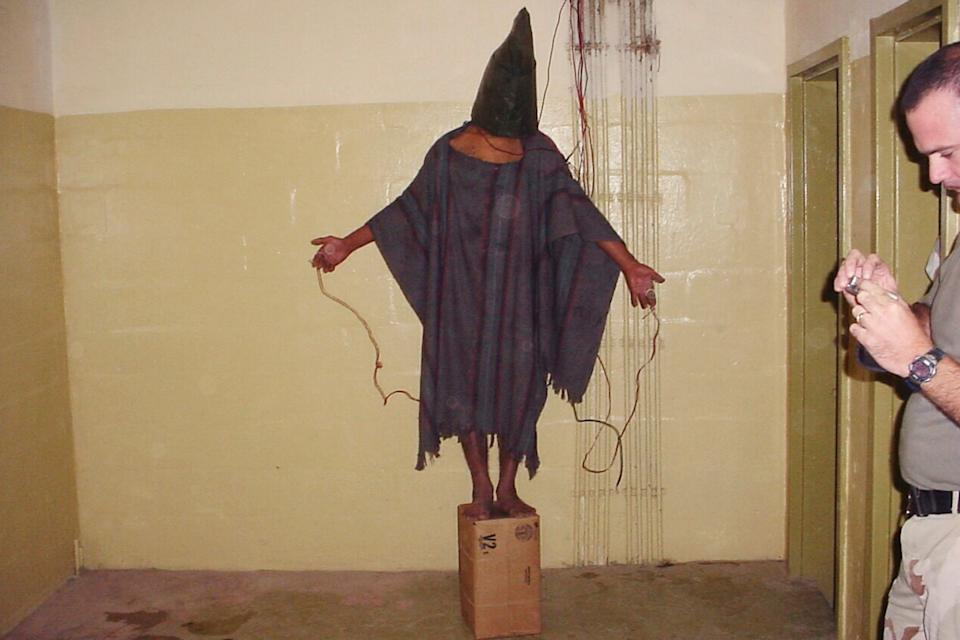
I was still wearing the uniform when September 11 happened. I was willing to go and fight. For what? At that moment, I honestly did not know. And I had trouble even writing a single sentence explaining what, exactly, was worth defending.
It wasn’t simply national security. We were safe. At least I knew that. And I increasingly questioned whether we needed to launch either the war in Afghanistan or the war in Iraq.
I believed that Bin Laden and Al Qaeda could have been neutralized without launching wars that would consume entire societies. I also believed that the eventual collapse of Saddam Hussein’s regime could have produced consequences that might have opened political space elsewhere, including in Iran.
History did not unfold according to that possibility. Instead, another enormous opportunity was squandered.
The End of History That Never Came- And so, once again, we failed to usher in the supposed “end of history.” Instead of a more democratic world, we inherited a more fragmented one – both domestically and internationally. Populations became more cynical. A generation in the West began losing faith in the very ideals that liberal democracy was supposed to represent.
And much of the world began looking at the Western model with distrust, suspicion, and resentment. Some began looking for alternatives. Not necessarily because liberal democracy itself was inherently unattractive. But because the West repeatedly denied people the opportunity to adopt it on their own terms. That distinction is of outmost relevance. People may reject democracy. But they should be given the opportunity to reject it freely. They should not have democracy imposed upon them through military occupation. Nor should they be denied it because Western governments have decided that their society is “not ready.”
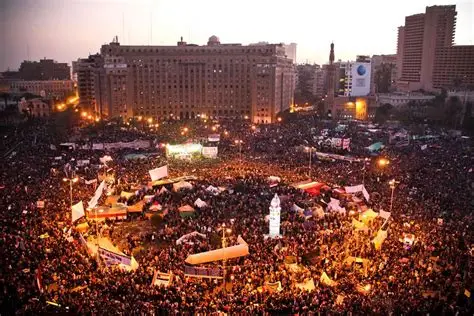
The greatest contradiction of Western foreign policy has therefore been this: We have repeatedly claimed that liberal democracy is universal while repeatedly treating it as culturally particular. We say everyone deserves political freedom. Then we decide who is ready for it. We say governments derive legitimacy from their people. Then we support governments that deny their people meaningful political participation. We say human rights are universal. Then we apply them selectively. We say democracy is the future. Then we subordinate it to economic interests, military alliances, geopolitical calculations, and corporate power.
Back to the Beginning- And this is the legacy of our global policies after the fall of the Soviet bloc and September 11. We have, in many respects, returned to conditions resembling those that existed before World War II. Western-style liberal democracies are again under attack from extreme-left ideologies, ethnic and extreme-right nationalism, radicalized Islamic movements, authoritarian states, and increasingly sophisticated forms of political manipulation.
But this time there is an additional problem. The citizens of the democracies themselves are losing faith in democracy. That may be the most dangerous threat of all. Because democracy cannot survive simply because its institutions exist. It survives because people believe those institutions are worth defending. It survives because citizens believe that elections matter, that courts matter, that facts matter, that the press matters, that political opposition is legitimate, that minorities possess rights even when they are unpopular, that governments can be changed without violence, that disagreement is not treason, that political opponents are not enemies who must be destroyed. And, above all, that “We the People” actually means the people.
The New Threat- I believe that this time the battle is going to be more difficult. Western-style liberal democracies face more enemies—and some of the most dangerous are internal. Perhaps the most consequential are the new technology and billionaire oligarchs-wannabe who have discovered that political fragmentation can be profitable.
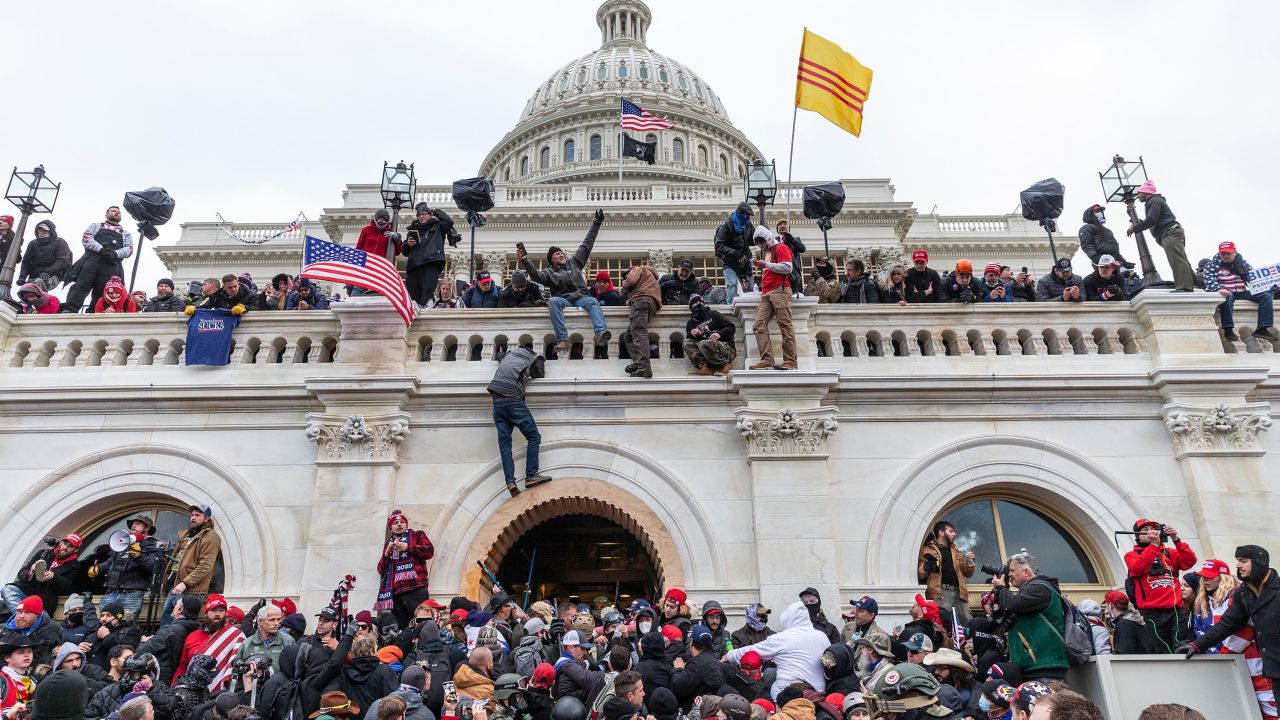
They foment domestic and global unrest. They weaken participatory democracy. They fuel culture wars. They finance political movements designed around anger and resentment. They exploit social media platforms that reward outrage over reflection. And now they have access to increasingly powerful generative AI systems that can inundate the public sphere with bias-confirming misinformation, conspiracy-enabling content, synthetic propaganda, and an endless stream of what can only be described as rage-baiting AI sludge.
The technology itself is not the enemy. The problem is who controls it, who profits from it, and whether democratic societies possess the institutions and civic literacy necessary to govern its use.
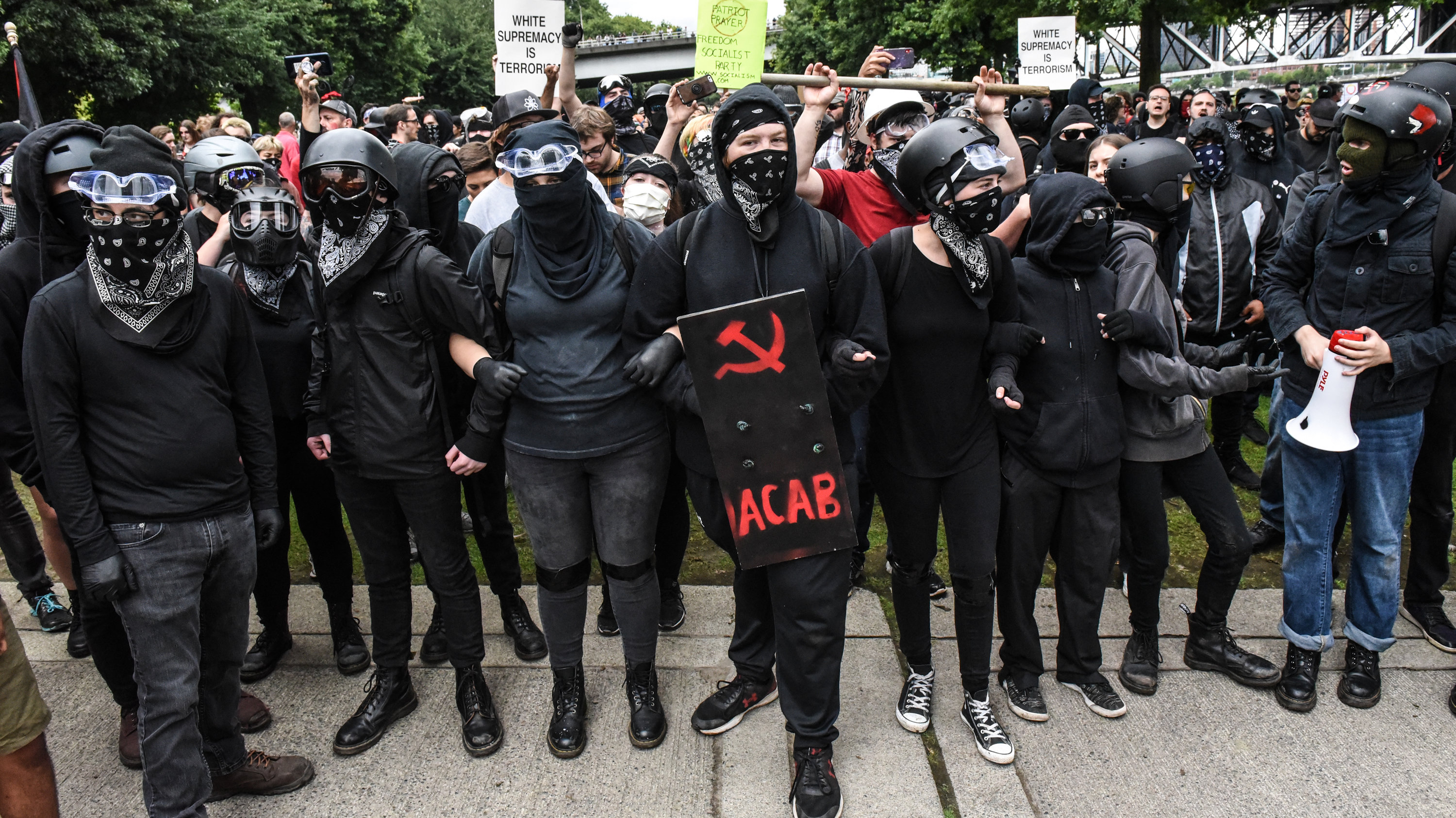
The Smallest Minority- those who study history are condemned to watch it repeat itself in disbelief or just plain horror. And perhaps worst of all, those of us who still believe that Western-style liberal democracy can be the best model from which humanity can depart are becoming politically drowned out. Not because everyone disagrees with us. In fact- most people don’t. But because our conversation is increasingly being dominated by extremists.
There remains an extraordinary idea at the heart of liberal democracy: That people can have a say in how they are governed. That political equality can transcend race, ethnicity, religion, gender, and sexual identity. That citizenship can be broader than ancestry. That the government belongs to the people. That no person is inherently more entitled to political power because of the color of their skin, the religion into which they were born, their wealth, their family name, or their social status.
That is the radical promise contained in the words: WE THE PEOPLE. It is a promise that has never been completely fulfilled. But that does not make it meaningless. It makes it unfinished. And perhaps that is the fundamental lesson of the history of liberal democracy. The United States was not created as a finished democracy. The Western democratic tradition was not created as a finished system. It has always been an experiment.
It has survived precisely because successive generations have fought over what its promises mean and who gets to participate in them. The abolition of slavery. The expansion of citizenship. Women’s suffrage. The civil rights movements. The expansion of labor rights. The struggle for racial equality. The recognition of religious minorities. The expansion of democratic participation.
These were not gifts handed down by enlightened elites. They were struggles.
And they demonstrate something important: Democracy survives not because its contradictions disappear, but because people organize to confront them.
What We Keep Getting Wrong- The great missed opportunities of the twentieth and twenty-first centuries therefore matter. After World War I, the West spoke about self-determination while maintaining empires. After World War II, the democracies spoke about freedom while continuing to tolerate colonialism and authoritarian allies. During the Cold War, the West spoke about political freedom while supporting dictatorships when they were useful against communism. After the Cold War, the West proclaimed the triumph of liberal democracy while allowing neoliberal economics to outrun democratic institutions.
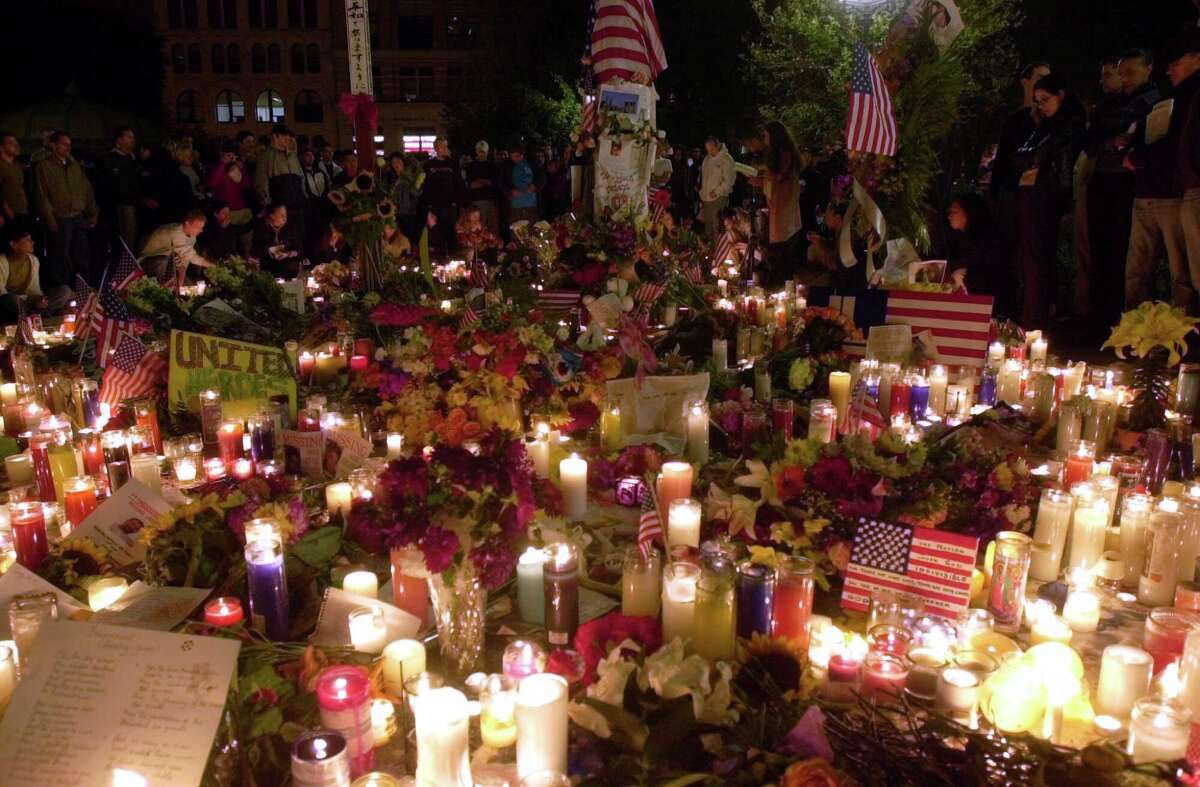
After September 11, the United States and the West had an extraordinary reservoir of global sympathy and moral authority—and squandered much of it through wars that became associated with occupation, civilian casualties, regime change, and political engineering.
At every crossroads, the promise was larger than the policy. And that gap between what we say democracy is and what we actually do in its name has consequences. People- the world notices. Our own citizens notice. And when people lose faith in the democratic promise, extremists are waiting to offer something else.
The Choice Before Us- The question facing Western democracies today is therefore not simply whether they can defeat the extreme right, the extreme left, radical Islamism, authoritarianism, disinformation, or billionaire oligarchy. It is whether they can once again believe in their own democratic ideals. And then actually live by them.
If liberal democracy has truly universal values, then it cannot belong exclusively to the West. It cannot be an export product. It cannot be a military occupation. It cannot be a corporate economic package. It cannot require cultural assimilation. It cannot mean that everyone has to become culturally “Western” before they are considered politically capable of democracy.
Democracy must be allowed to grow in different soil. It can speak different languages. It can look different. It can incorporate and accommodate different traditions and religions- it can be African, Asian, Caribbean, Latin American, European, or North American. It can be Black, Brown, White, mixed. It can be all of those things at once. That is not the destruction of liberal democracy. That is its fulfillment.
The promise of democracy was never that everyone would become the same. The promise was that we could be different and still belong to the same political community. That is the meaning of pluralism. That is the meaning of citizenship. That is the meaning of political equality. That is the original meaning of living under the “Rule of Law”. And ultimately, that is the unfinished promise of We the People.
There is an extraordinary irony in the current moment. The forces attempting to destroy liberal democracy often claim to be defending either tradition, culture, religion, race, sovereignty, economic freedom, or social justice. Some want to return to an imagined past. Some want to accelerate a revolutionary future. Some want to restore religious empires. Some want ethnically homogeneous nations. Some want to replace capitalism. And some simply want to monetize the chaos. They disagree about almost everything. But they share one increasingly important characteristic: They have convinced too many people that democracy itself is the problem.
That is the greatest victory they could possibly achieve- making us lose faith in democracy.
But democracy does not have to be perfect to be worth defending. It has to remain open to correction. It has to remain capable of expanding the definition of who belongs. It has to remain capable of admitting that it has failed. And it has to remain capable of changing without destroying itself.
That is why the survival of liberal democracy has never really depended on presidents, constitutions, courts, armies, or political parties. It depends on citizens. Citizens willing to question myths, to defend the rights of people they disagree with, to accept political loss without abandoning the system, to participate when participation produces no immediate reward, to defend democracy when defending it is inconvenient. And citizens willing to understand that democracy is not something we inherit fully formed. It is something we have to build, defend, repair, and expand—again and again.
The greatest threat before us is therefore not that democracy will suddenly disappear. It is that we will become so cynical about its failures that we stop believing in its possibilities. And that would be the ultimate historical tragedy.
Because after two and a half centuries, the American democratic experiment—and the broader experiment of liberal democracy—still has not reached its end. Maybe that is the point.
There was never supposed to be an “end of history.” There was supposed to be an ongoing argument about what freedom means, who belongs, who has a voice, and how we build a political system capable of allowing human beings to live together despite their profound differences. That argument is still being fought.
And those who believe in democracy cannot afford to leave the conversation to the extremists- for they are the opposite of being awakened and are instead sleepwalking us into the end of the democracy.

