There is so much disinformation and misunderstanding regarding the political arrangements between Puerto Rico and Spain and later on with the United States- that I believe it necessary to highlight some basic points.
1. Were Puerto Ricans Spanish citizens in 1898?
Yes. By 1898, Puerto Ricans were legally Spanish citizens known as Spanish nationals or subjects. But that was not always the case.
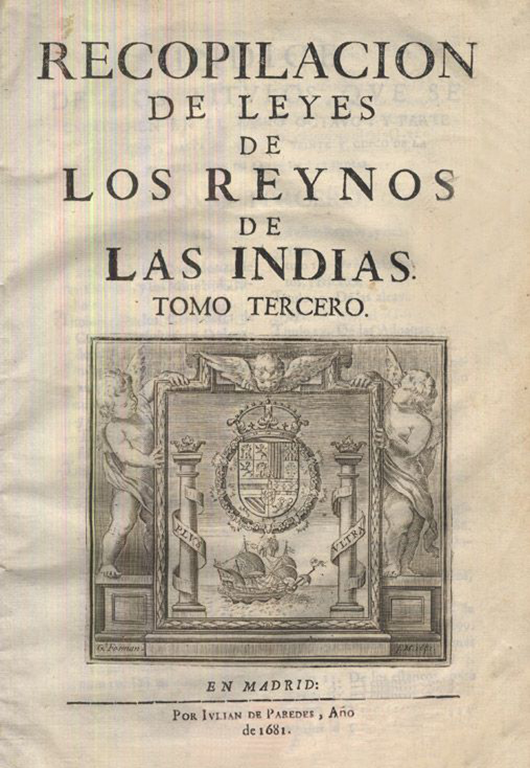
During the Spanish colonial period, Puerto Ricans were generally subjects of the Spanish Crown, governed under the imperial framework of the Laws of the Indies rather than under a modern concept of citizenship.
Everything changed during the liberal revolutions of the nineteenth century. The major milestones were:
- La Constitution of Cádiz (1812)
- The Constitution of 1837
- The Constitution of 1869
- The Extension of constitutional rights (1873)
- The Charter of Autonomy (1897) AKA Carta Autonómica.
However, by the end of Spanish rule, under Spanish constitutional law– Puerto Ricans possessed Spanish nationality and citizenship
2. Did Puerto Ricans have the same rights as Spaniards living in Spain?
This is where nuance matters. Legally? In theory, increasingly yes. In practice, not always.
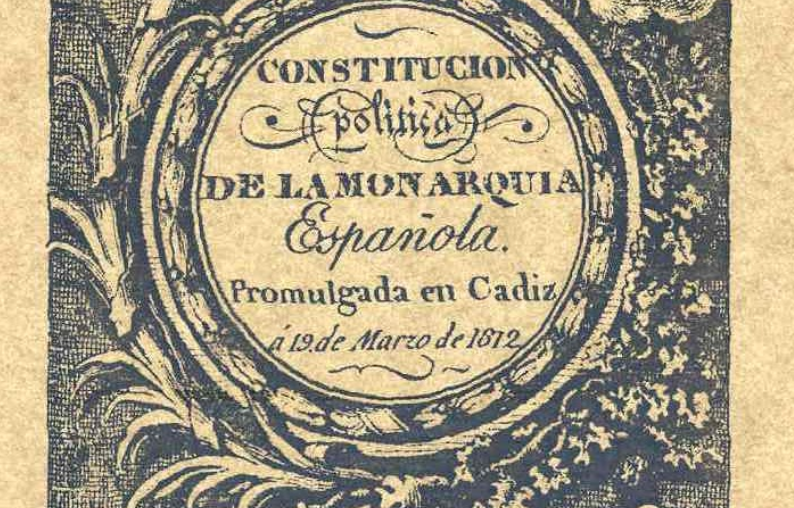
Spain oscillated repeatedly between liberal constitutional governments and conservative authoritarian governments during the nineteenth century. The constant back and forth of liberal openings- granting of rights, and then the pendulum would over correct once again and Puerto Rico and Puerto Ricans would be stripped of the hard-earned and short-lived right.
Almost every constitutional period expanded colonial rights. Every absolutist restoration reduced them. Puerto Rico’s political rights therefore expanded and contracted depending on who governed Madrid.
So there was no uninterrupted equality throughout the century.
3. The Constitution of Cádiz- la Pepa- (1812)
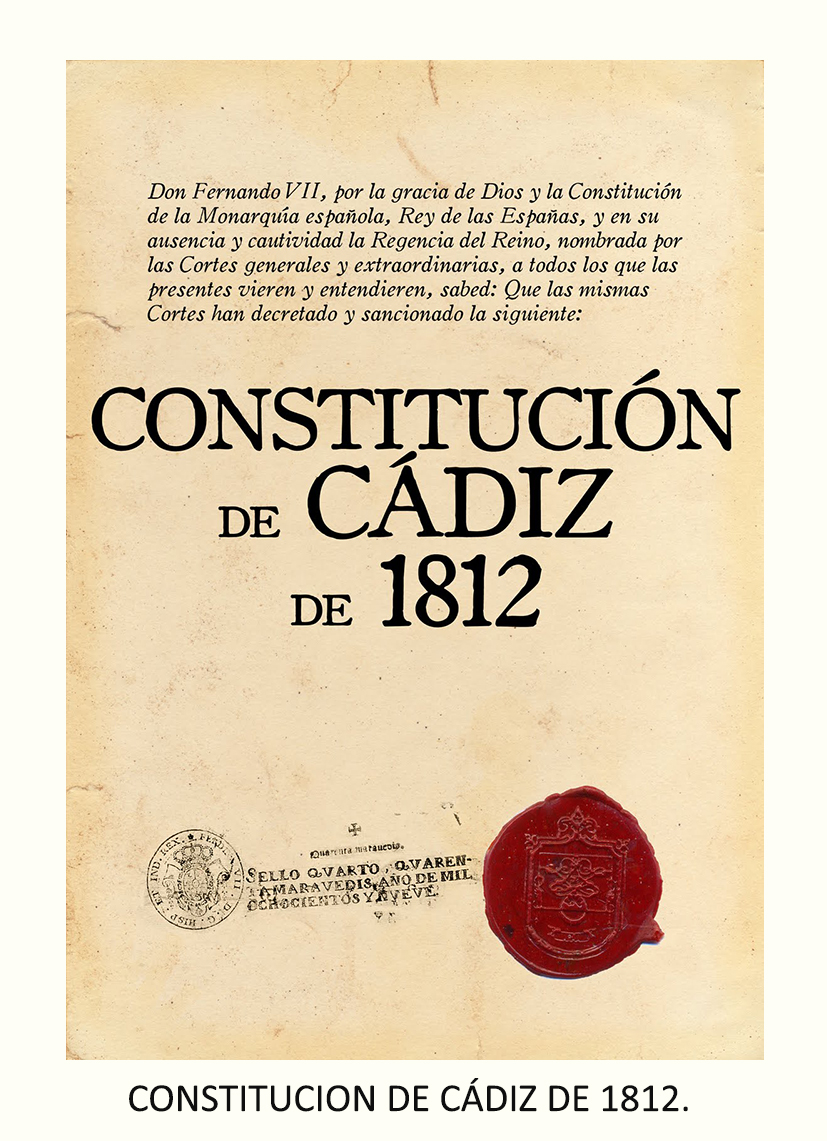
This was revolutionary. For the first time Spain declared that the Spanish nation included both hemispheres; Puerto Rico (and the rest of the Spanish colonies in the Americas) was not legally treated merely as a possession; it became one of the provinces of the Spanish nation; Puerto Rico elected deputies to the Cortes (Spanish Parliament); Puerto Ricans could vote (very limited by the property restrictions of the era); Puerto Ricans became Spanish citizens rather than merely colonial subjects.
This represented one of the most liberal constitutions in Europe. However, born out of necessity as Napoleon had invaded the Iberian Peninsula and forced King Ferdinand VII to abdicate– the Constitution would only last until Ferdinand VII restored absolutism.
Puerto Rico immediately lost many of those rights. Those rights would later be restored and suspended multiple times. Thus equality existed constitutionally—but not continuously. It depended on the whims of the next Spanish monarch or in many cases- the prime minister.
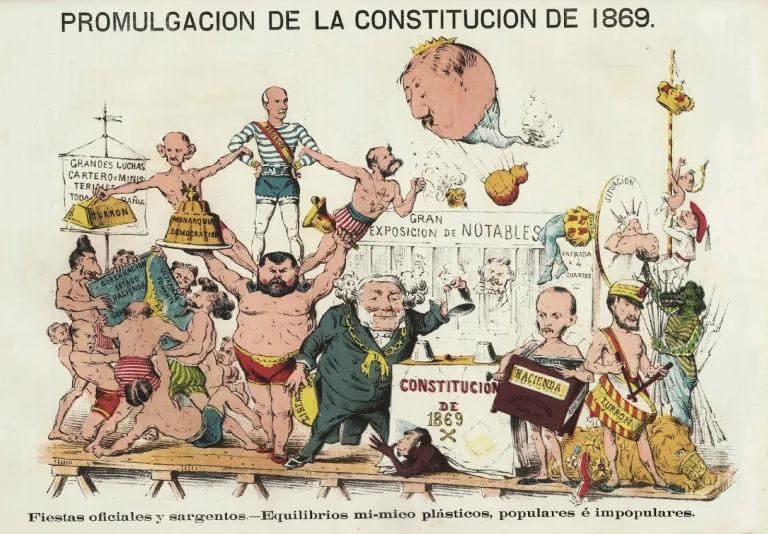
4. The Constitution of 1869 (again- born out of the many crises of 1868- Cuban rebellion, Grito de Lares, and the Spanish revolución gloriosa) marked another major turning point.
The Constitution recognized: freedom of speech; freedom of religion (very limited); due process; constitutional government; and representative institutions.
Puerto Rico gradually received these guarantees. In 1873, during the First Spanish Republic, many constitutional provisions were formally extended to Puerto Rico.
5. Autonomy- Carta Autonómica of 1897
This is arguably the most misunderstood document in Puerto Rican history. The Charter did not grant independence. Nor did it make Puerto Rico a sovereign country.
Instead, it transformed Puerto Rico into an autonomous province within the Spanish monarchy. Think of something closer to modern autonomous communities like Catalonia or the Basque Country—though not identical.
Puerto Rico now had its own bicameral legislature; cabinet ministers responsible for internal affairs; authority over education, public works, internal taxation, agriculture, commerce, and local administration.
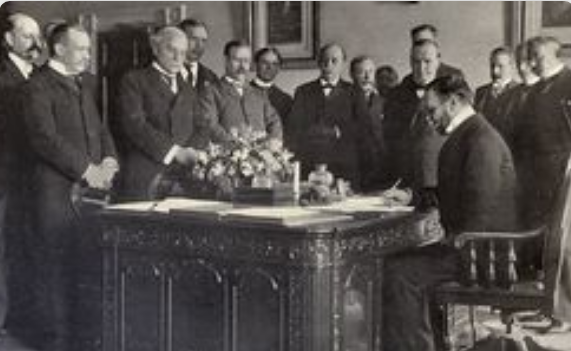
The Carta Autonómica of 1897 was liberal indeed.
Sixteen Puerto Rican delegates were to be elected by popular vote to represent the island in the cortes of the kingdom while three senators were to be chosen by an assembly of elected officials to serve in the Peninsular Congress.
However, representation was not numerically equal to peninsular provinces. This reflected the broader electoral inequalities of nineteenth-century Spain, where representation was not always strictly proportional.
Nevertheless, Puerto Rican deputies sat in the national parliament and participated in Spanish legislation– whereas to this day, Puerto Rico can send only one representative to congress who has a voice but no voting rights outside committees.
The assembly also elected the eight members of the Consejo de Administración (Administrative Council), which together with the 32 member and popularly-elected Cámara de Representantes (Chamber of Representatives) constituted the Puerto Rican Parliament or legislature.
Title VII, article 43 of the charter guaranteed veto power to the Puerto Rican parliament over decisions reached by the Peninsular Congress, while Article 2 declared that the “present constitution shall not be amended except by virtue of a special law and upon petition of the insular parliament.”
The charter also provided for the creation of a cabinet by the winning coalition or party. The seven ministries of the new cabinet were of importance and included Treasury; Agriculture, Industry and Commerce; Public Works, Communication and Transportation; Public Education; and Justice and Government, plus a presiding cabinet member.
Puerto Rico therefore exercised extensive internal self-government while remaining part of Spain.
Spain retained foreign affairs, defense, the monarchy, final sovereignty, appointment of the Governor General- the highest judicial authority.
As established by Article 41, the Spanish appointed gobernador general retained command of all the armed forces in the island, had the right to suspend the elected government and declare martial law during emergencies-and all authorities and offices remained subordinated to his office.
Moreover, the charter was declared by royal decree and not by a law passed by the cortes. Thus, while seeking liberal reforms, Sagasta and the liberals circumvented the most republican of Spanish institutions.
In other words- the carta autonómica was at the whims of Madrid’s constant and drastic movement of the political pendulum– and even more so because its legal standing was at best precarious.
The new regime was inaugurated on February 8, 1898 and general elections were held in March 27 of the same. Of roughly 120,000 votes the autonomistas obtained over 97,000 versus the conservatives 3,729 votes. Sixteen autonomistas, ten from the liberal faction and six from the orthodox, were elected as diputados a cortes.
On April 10 of the same year the first cabinet was formed and the three senators chosen.
On April 21, 1898 scarcely two months after the inauguration of the autonomic government, the Governor General of the island declared Martial Law and disbanded the civilian government.
On July 17, 1898, constitutional guarantees were reinstated and the Insular Parliament was inaugurated. An attempt to regain the loyalty of the Puerto Ricans before the imminent American invasion.
That’s how much Puerto Ricans could count on the protections and rights extended to them by the autonomic charter.
Read full discussion of the charter in Brief Read on the Carta Autonómica of 1897
6. Were Puerto Ricans “second-class” Spaniards?
This depends on what one means. Legally after 1897? No. At least not on paper.
Politically? There remained clear colonial limitations.
Spain still reserved military command, foreign policy, ultimate constitutional authority, appointing the military-governor of the island (Gobernador General– a slight evolution from Capitán General), and the power to suspend autonomy in emergencies- which he would use to declared Martial Law and disbanded the civilian government- using as excuse the state of war with the United States.
Therefore, Puerto Rico remained constitutionally subordinate and at the whims of the back and forth and instability of Madrid’ political constant struggles.
One could accurately describe Puerto Rico in 1898 as an autonomous territory within the Spanish nation rather than an equal sovereign partner.
Then again- that autonomy was easily removed and didn’t stand on firm legal grounds.
7. What happened after the Treaty of Paris?
This is one of the biggest misconceptions in Puerto Rican history. Puerto Ricans became U.S. nationals- but not immediately. Although correct there is an important caveat.
Article IX of the Treaty of Paris stated: “The civil rights and political status of the native inhabitants…shall be determined by the Congress.”
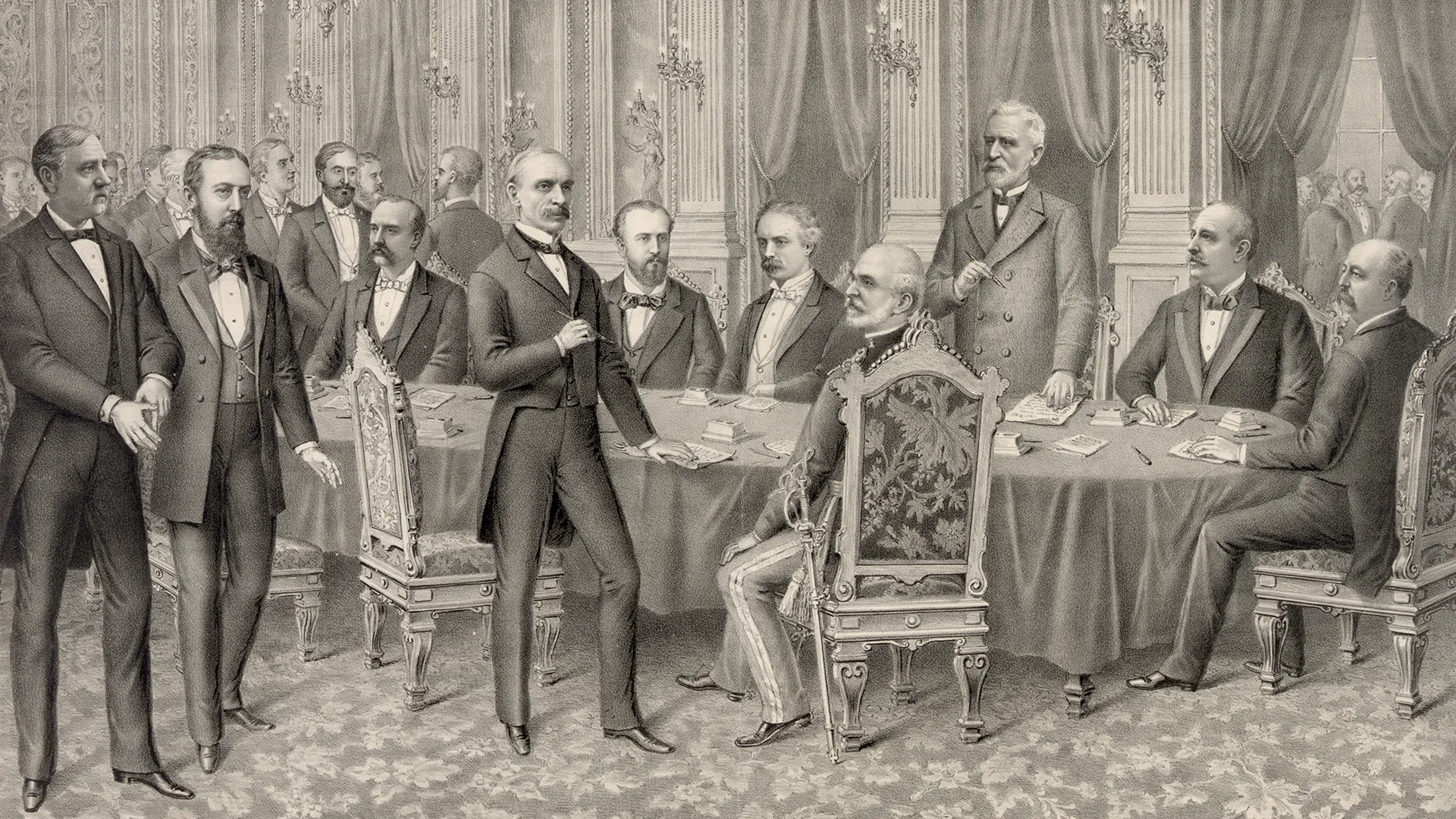
Spain negotiated differently for two groups. Spaniards born in Spain who could remain in Puerto Rico while preserving Spanish nationality by filing a declaration within one year.
And Puerto Ricans- for whom no equivalent option existed.
The treaty specifically limited the election to preserve Spanish nationality to Spanish subjects, natives of the Peninsula. Puerto Ricans born on the island were not included in that clause. Instead, their future civil rights and political status were left to the U.S. Congress.
This was a remarkable departure from modern norms of nationality law because an entire population’s political status was transferred by treaty without individual consent.
That was the result of both American foals and the lack of interest and inability of the Spaniards to protect Puerto Rican-born Spanish nationals who wished to remain so.
8. Did Puerto Ricans immediately become U.S. citizens?
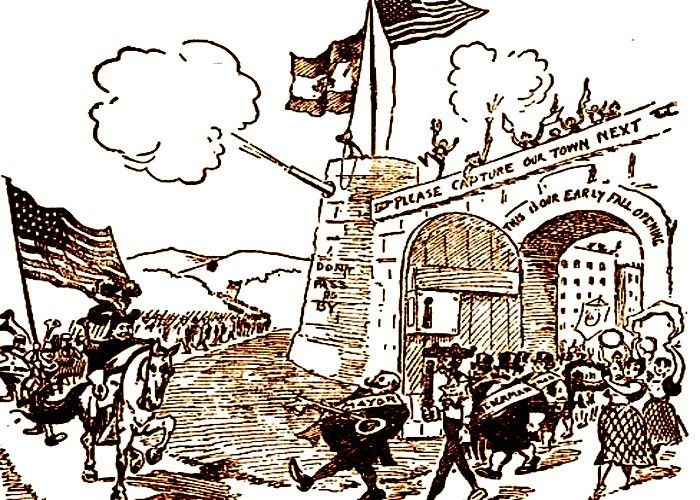
No. This is another common mistake. Between 1899 and 1900 they occupied a peculiar legal position. They ceased to be Spanish citizens under the treaty but did not become U.S. citizens.
The Foraker Act of 1900 created the status of “citizens of Puerto Rico”, who were under U.S. protection as “American nationals” but were not citizens of the United States. U.S. statutory citizenship was extended later, through the Jones-Shafroth Act of 1917.
Thus, the legal progression was:
- Before April 11, 1899: Spanish citizens.
- 1900–1917: Foraker Act– Citizens of Puerto Rico under U.S. sovereignty (non-citizen U.S. nationals/protected persons in practice, though the legal terminology evolved).
- Also cerates first civilian government in Puerto Rico under U.S. sovereignty and a tutelary colonial state.
- 1917 onwards: Jones Shafroth Act– U.S. citizens by statute.
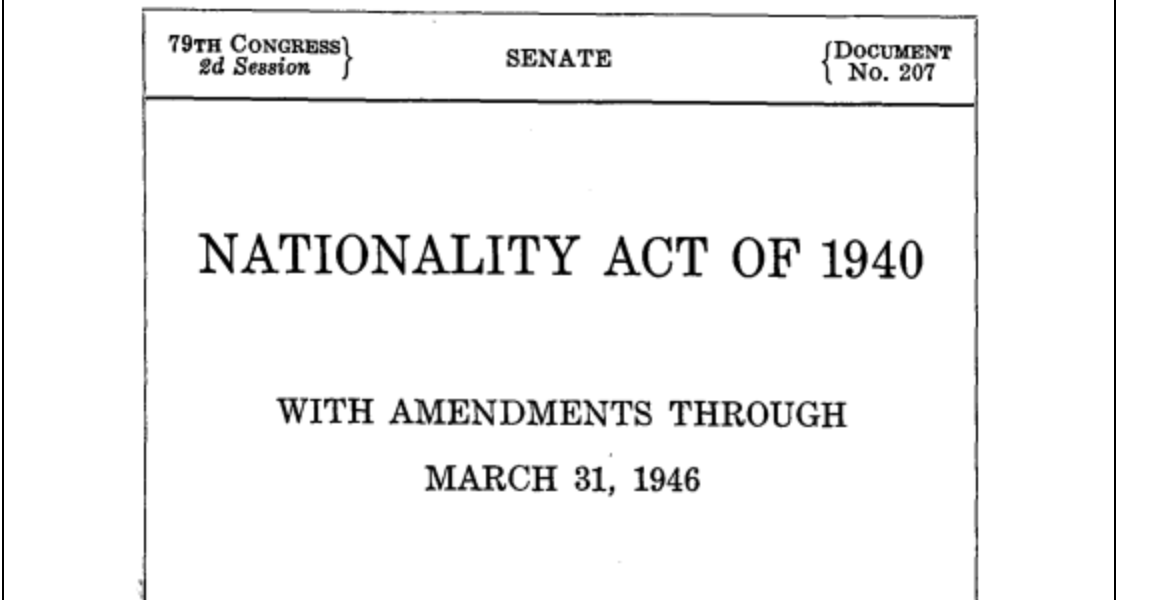
- However, the Nationality Act of 1940 (Pub. L. 76–853, 54 Stat. 1137), the first comprehensive codification of U.S. nationality law since the nation’s founding and enacted on October 14, 1940 and effective January 13, 1941, consolidated and revised all existing laws on citizenship, naturalization, and loss of nationality
- There is another caveat– the Jones Act and the way it naturalized Puerto Ricans-was not only superseded but applied to the Puerto Ricans in the territory. Individual Puerto Ricans had gained US citizenship while in the US through the process of naturalization, and even the children of those who obtained it through the Jones Act- would be US citizens by birth right.
Ironically, Puerto Rico was taken by the United States having just received the broadest degree of self-government it had experienced under Spain.
By July 1898 Puerto Rico possessed universal male suffrage (for the period), elected local ministries, a locally elected legislature, representation in the Spanish Cortes, constitutional guarantees under Spanish law, and broad authority over internal affairs under the 1897 Charter.
After the U.S. occupation the autonomous government was abolished, Congress assumed plenary authority over the island under Article IX of the Treaty of Paris, Puerto Ricans lost representation in the national legislature of the sovereign governing them, and their political status became subject to congressional discretion rather than constitutional right.
That comparison does not imply that Spanish rule had ceased to be colonial; Spain retained ultimate sovereignty and significant reserved powers. It does, however, underscore that the timing of the U.S. conquest mattered. The invasion occurred only months after Spain had implemented its most far-reaching constitutional and autonomic reforms for Puerto Rico. Then again- the Puerto Ricans had seen this novela before.
In the next installment we compare the constitution of the Estado Libre Asociado and la Carta Autonómica of 1897– La Carta Autonómica of 1897 and la Constitución del Estado Libre Asociado de Puerto Rico- a Long History of Seeking Autonomy and “Compromised Sovereignty”


[…] Also see: A Few Issues in Puerto Rican History & the Transfer of Sovereignty from Spain to the United Stat… […]
LikeLike