Everyone knows I’m no fan of the Communist Party of Cuba, nor of the police-state authoritarianism created after the Cuban Revolution was betrayed. That regime bears enormous responsibility for the suffering, repression, poverty, censorship, and fear experienced by generations of Cubans—just as U.S. policies have also played a major role in deepening Cuba’s crisis.
But if you are celebrating the indictment of Raúl Castro, then, you are profoundly mistaken.
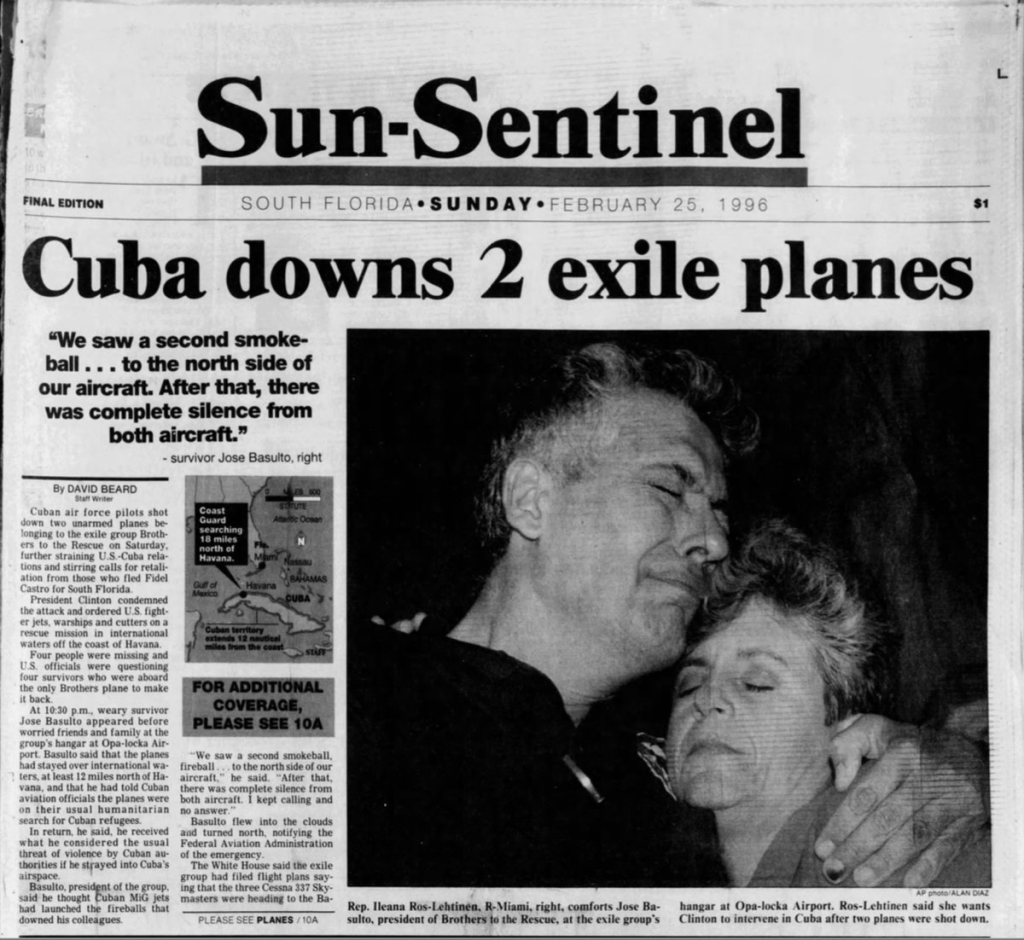
First, one of the main reasons for this indictment is obvious: it helps construct the legal and political framework—the excuse—for possible escalation or intervention, much like what Washington attempted in Venezuela. The indictment itself is tied to the 1996 shootdown of planes operated by Brothers to the Rescue, for which the U.S. Department of Justice recently unsealed charges against Castro and several former Cuban officials.
Let’s be honest about how these things work. The U.S. military establishment often looks for legal and geopolitical justification before major action. Recently, even discussions surrounding pressure campaigns elsewhere—like Greenland—revealed tensions between political ambitions and military-strategic realities. The Joint Chiefs understand that reckless adventurism can damage alliances such as NATO, which remains central to projecting American power and containing rivals like Russia.
Yes, Donald Trump is reckless, and Pete Hegseth projects the worldview of someone who thinks geopolitics works like a video game—but that is not the larger point. The indictment is part of a broader escalation strategy. Even analysts covering the indictment have noted that some exile groups and politicians openly compare it to the pressure campaign used against Nicolás Maduro.
Second, the events for which Raúl Castro was indicted are themselves historically and politically complicated. The Brothers to the Rescue flights were not neutral humanitarian missions in the eyes of the Cuban government. Some flights repeatedly entered Cuban airspace in ways Havana considered deliberate provocations intended to trigger a confrontation and potentially force U.S. intervention. That does not justify the deaths of civilians, but pretending the broader political context did not exist is dishonest.

For decades, sectors of the Cuban exile lobby and anti-Castro paramilitary networks operating from Florida have openly tried to provoke exactly this kind of confrontation. In many ways, they have attempted to hijack U.S. foreign policy and even the American military for their own ideological goals. We see similar dynamics elsewhere when foreign or domestic lobbying factions push the United States toward escalation for agendas that are not in the broader national interest.
Third—and this is perhaps the most important point—neither Trump nor the people around him genuinely care about the Cuban people. This administration has shown repeatedly that human suffering only matters when it can be weaponized politically. The same people claiming moral outrage over Cuba showed little concern for the humanitarian consequences of sanctions in Venezuela, Iran, or the Palestinians and elsewhere.
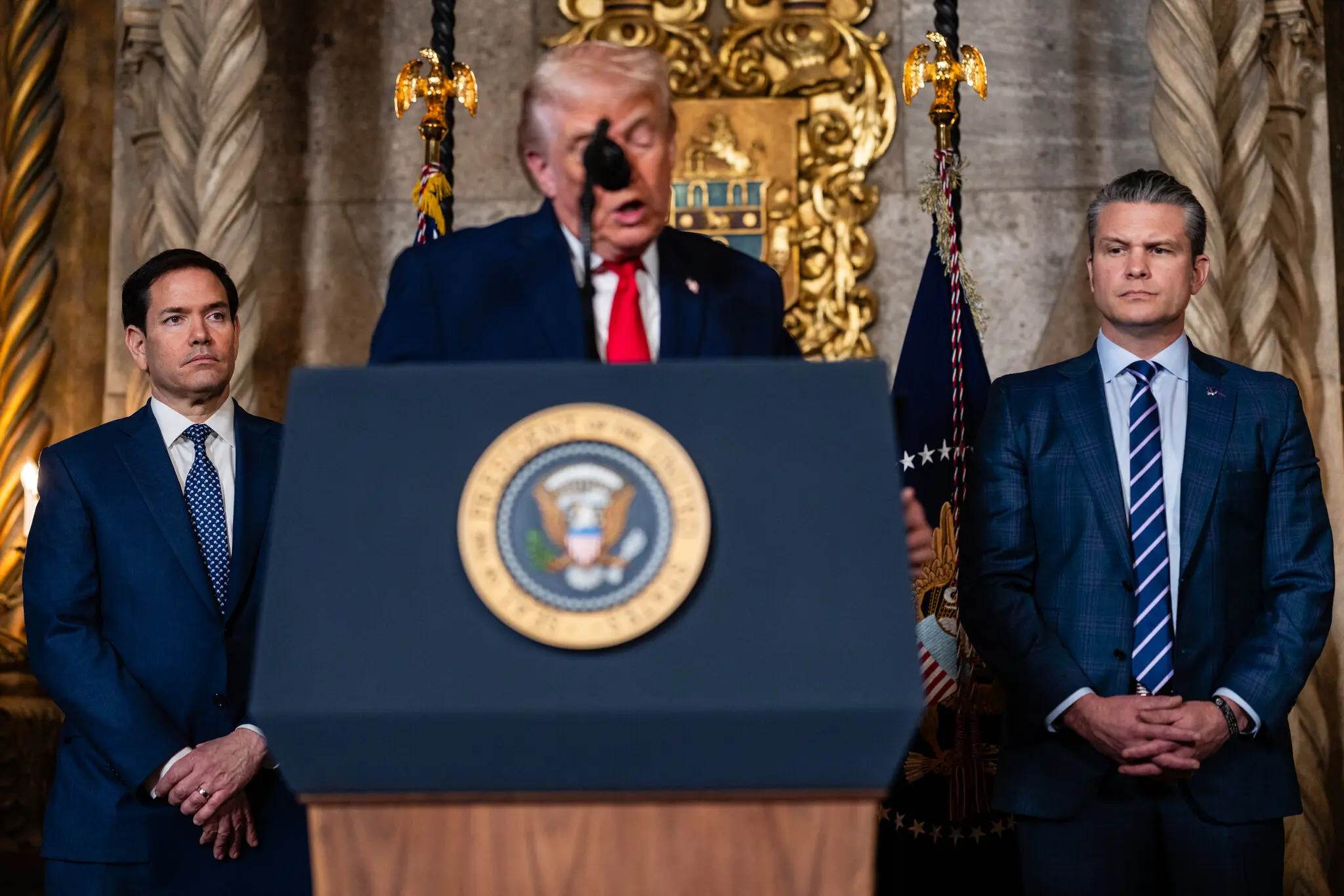
I do not believe Trump lies awake thinking about ordinary Cubans struggling through blackouts, shortages, repression, or hopelessness. If anything, he likely sees Cuba the way he sees everything else: as a transactional opportunity. Land. Hotels. Casinos. Real estate. Contracts. Influence. Profit. The fantasy of remaking Havana into a playground for investors and cronies the moment the current system collapses.
And Hegseth—whose understanding of war seems cartoonish and performative—appears obsessed with tactical displays of strength as if foreign policy were a permanent episode of Call of Duty. That mindset is dangerous. Real wars are not cable-news spectacles. Real interventions destroy societies, destabilize regions, and leave generations dealing with the consequences.
And before anyone twists this argument into apologism for the Cuban regime: no. Full stop. I have consistently denounced the authoritarianism of the Castros, the repression, the censorship, the militarization of society, the political prisons, the surveillance apparatus, and the betrayal of the Revolution’s original democratic promises.
But history becomes dangerous when people stop thinking critically and start cheering escalation because it feels emotionally satisfying.
The reality is that Cuba’s tragedy was shaped by both an authoritarian revolutionary state and decades of disastrous Cold War policy from Washington. Pretending only one side bears responsibility is not history—it is propaganda.
And I assure you that history will not absolve the Castro regime but neither Trump’s.
Between corruption, recklessness, performative nationalism, contempt for democratic norms, and the casual flirting with military adventurism, this era will likely be remembered not as one of strength, but of profound moral and political decline.
Below are arguments that people have thrown at me these past days- and my response- regarding Trump’s plans for Cuba.
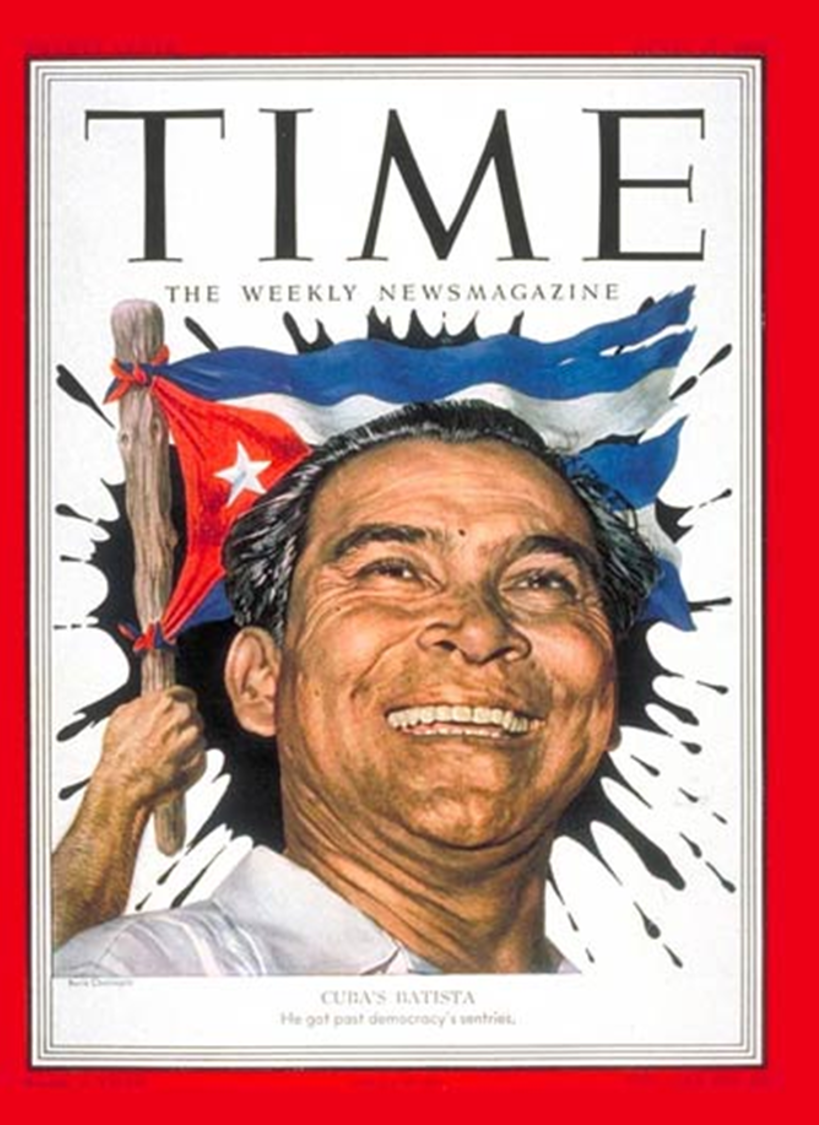
“During Batista’s dictatorship, the constitution functioned almost entirely, and the country’s economy and development grew stronger. That’s why Fidel Castro and his band of terrorist attackers—who were treated very well during their short imprisonment—received political amnesty.”
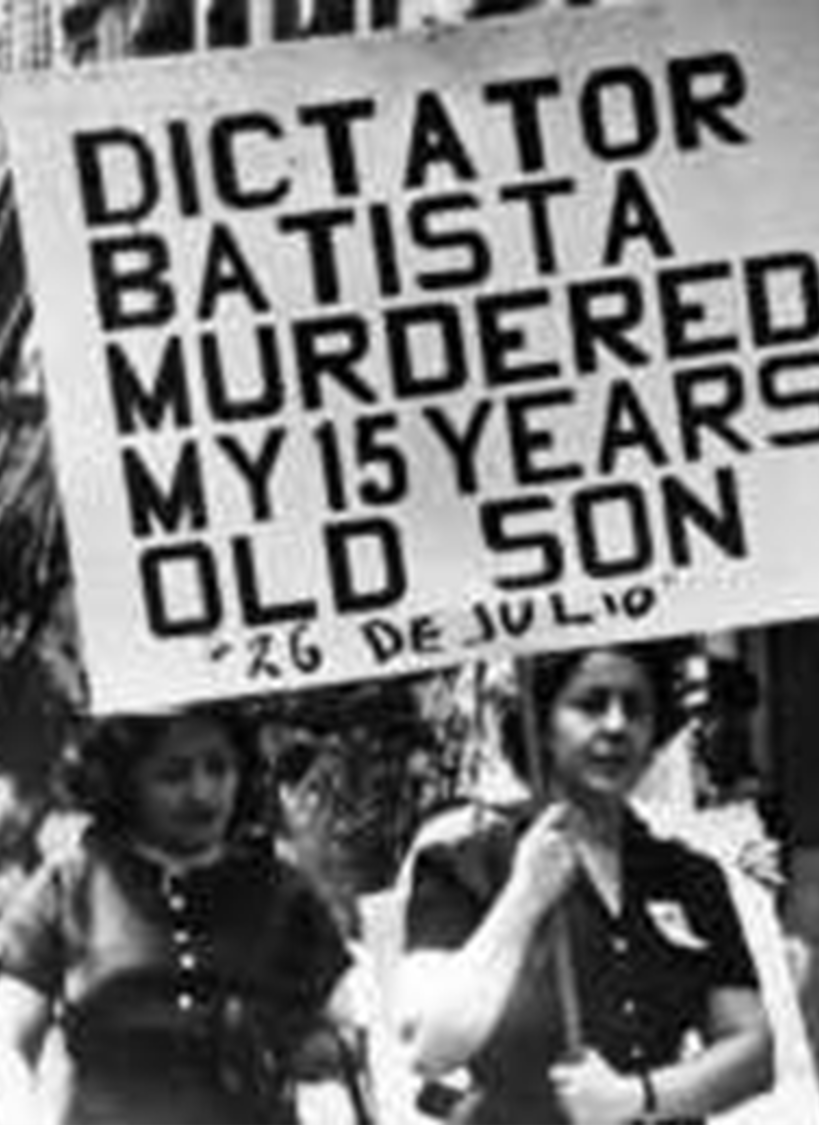
In dictatorships like Batista’s, constitutional guarantees are meaningless the moment the regime decides they are. You actually acknowledge that yourself when you say the constitution functioned “almost entirely.” A constitution either protects rights consistently or it does not. Under Batista, censorship, political persecution, torture, disappearances, and electoral manipulation became normalized, especially after his 1952 coup.
And the attack on the Moncada Barracks was not a terrorist attack. Terrorism refers to violence directed primarily against civilians or duly elected political targets in order to spread fear for political purposes. Moncada was a direct military assault against a military installation carried out as an attempted rebellion. By your definition- Bunker Hill would be a terrorist attack.
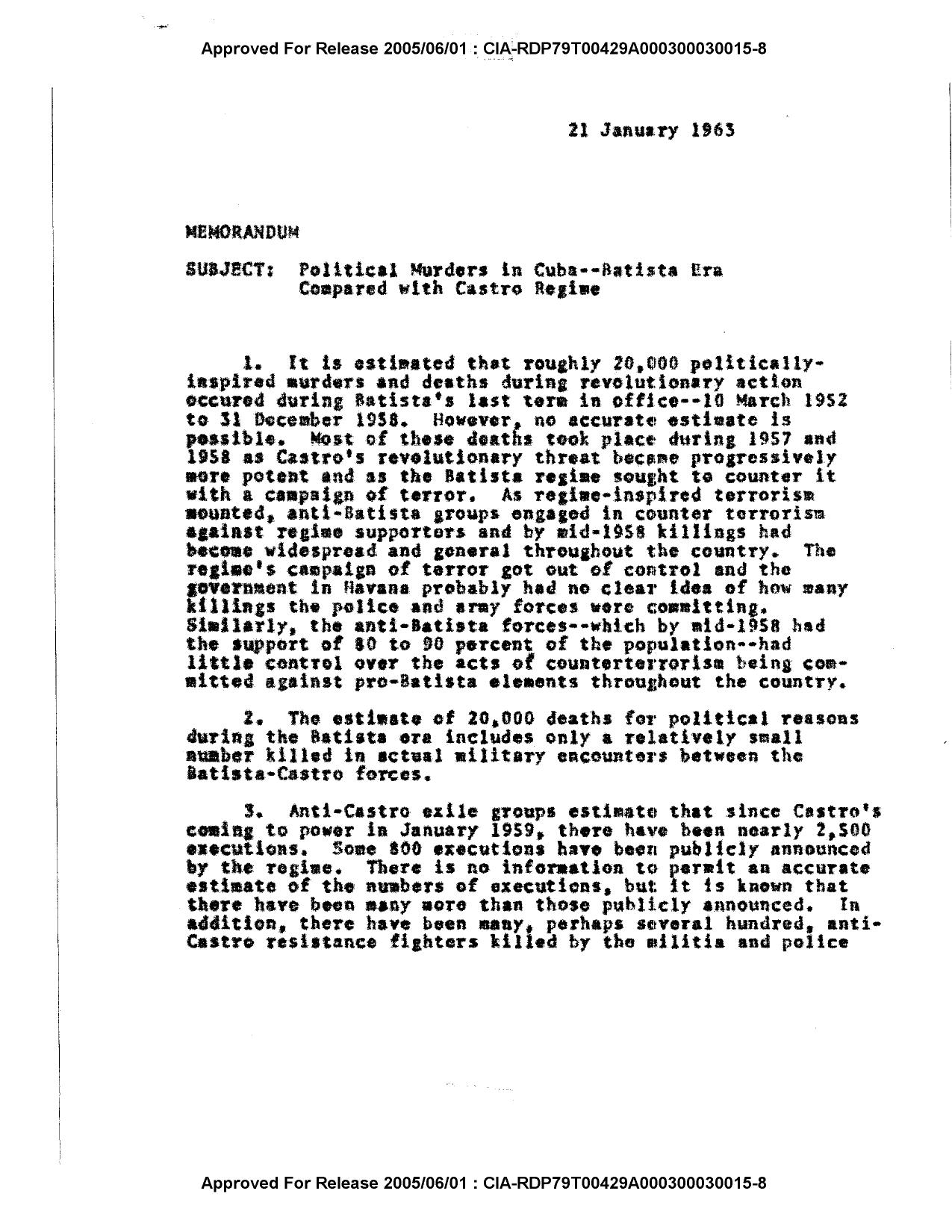
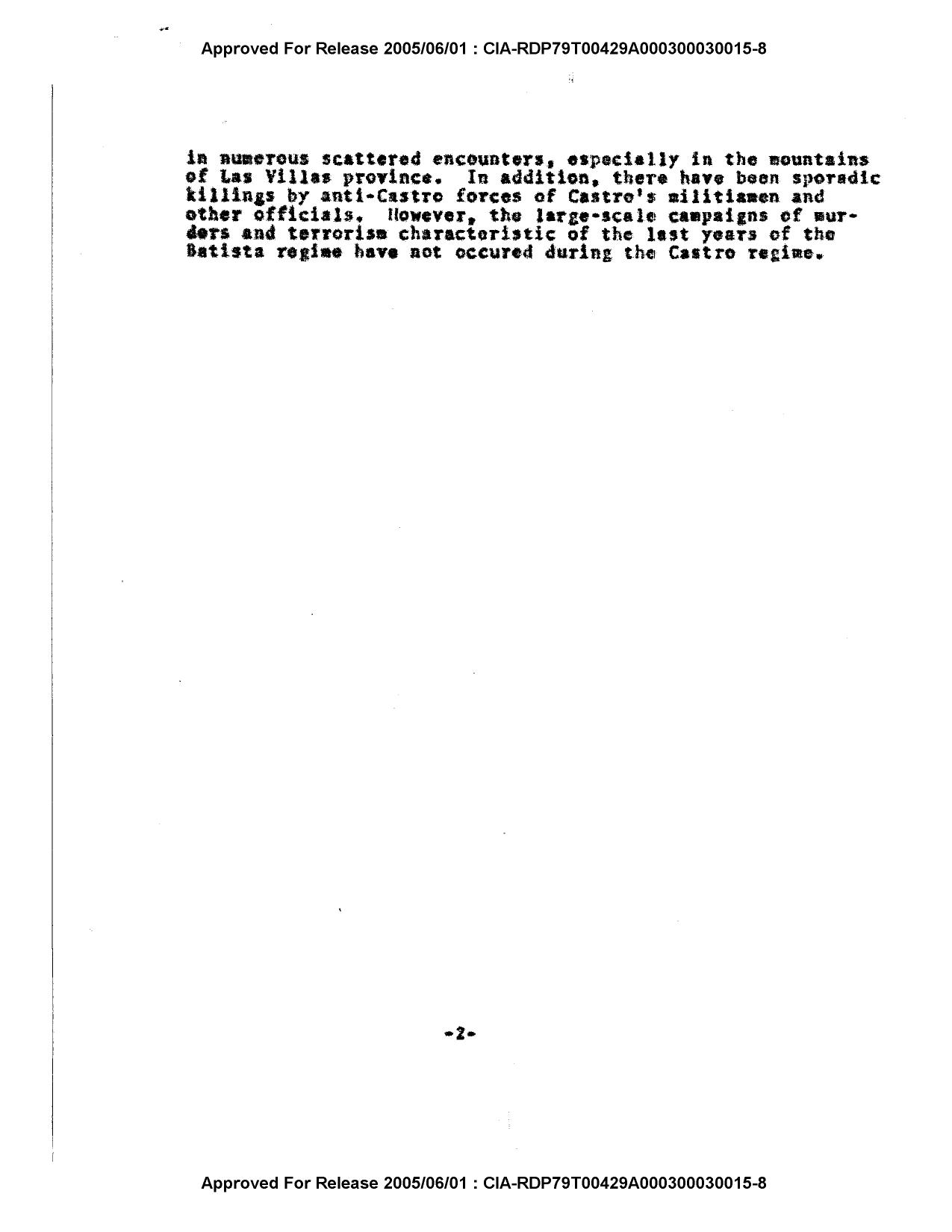
Who behaved like terrorists during and after the attack were many elements within Batista’s forces, who tortured, mutilated, and extrajudicially executed (murdered) captured rebels. Even declassified U.S. intelligence assessments later described Batista’s methods as forms of state terror. Batista’s regime increasingly relied on repression rather than legitimacy.
Fidel Castro was treated differently after Moncada largely because he had already become a nationally known political figure, and because there was growing domestic and international pressure against Batista’s brutality. The political amnesty that eventually freed Castro was not an act of democratic generosity so much as a response to mounting criticism and instability.
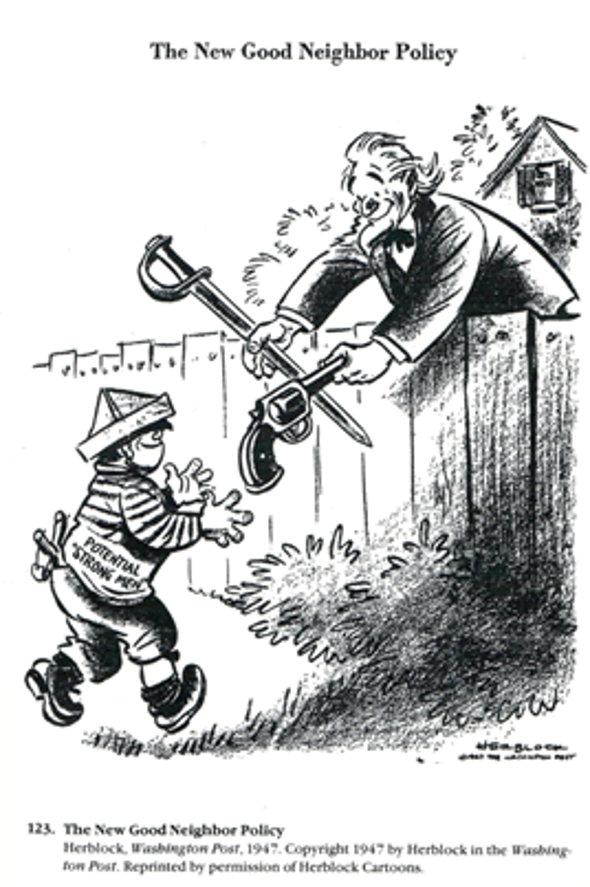
To be fair, Batista’s earlier years in power did coincide with economic growth in Cuba. But that growth cannot be understood outside the context of the Good Neighbor Policy and the broader geopolitical realities of World War II, when the United States was trying to maintain stable and friendly relations across Latin America and the Caribbean.
After World War II, however, U.S. foreign policy reverted to supporting “strongmen” and caudillos throughout the region—so long as they protected American economic interests and suppressed movements perceived as nationalist, socialist, or anti-American. This pattern repeated itself across Latin America during the Cold War.
In Cuba’s case, major American corporations and organized crime syndicates became some of the principal beneficiaries of the economic boom during Batista’s second regime. Large sectors of the Cuban economy—especially sugar, utilities, tourism, casinos, and infrastructure—were heavily influenced or controlled by foreign capital. Batista functioned less as a nationalist leader and more as a facilitator of outside economic dominance while his regime enriched itself through corruption. Many Cubans believed their country was effectively being sold piece by piece.]
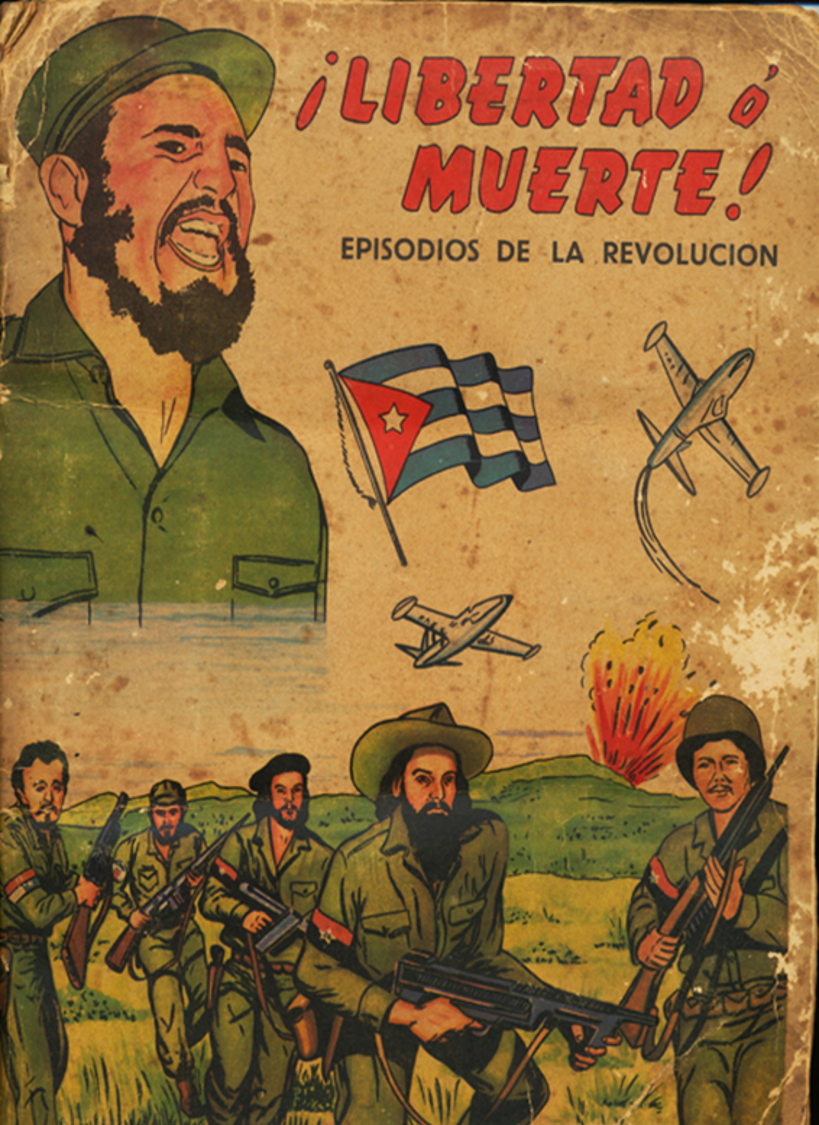
And this is not simply “Castroist propaganda.” These realities were described by many people who joined the 26th of July Movement because they had personally witnessed disappearances, torture, censorship, police violence, and political repression under Batista. Importantly, many of those same revolutionaries later turned against Fidel Castro once they concluded he had betrayed the democratic and nationalist promises of the Revolution and replaced one dictatorship with another.
“At what cost, though [with regard to Cuba’s internationally recognizedsovereignty]? You can’t leave or enter Cuba without government permission. They imprison, torture, and demean people who think differently.”
Are you referring only to Cuba in previous decades, or to the present as well? I agree that Cuba functions as a police state in many respects—I’ve been there myself and have seen the restrictions firsthand. But let’s not pretend that state control and coercion are unique to Cuba. The United States also operates with an increasingly militarized police apparatus, mass surveillance, and a long history of racialized policing and incarceration disproportionately affecting Black and Latino communities.
And technically, no one freely enters or leaves the United States without government permission either. In one case, the permission comes in the form of visas, passports, border controls, and IDs. In the other, it is controlled by a different political system. The methods and severity differ, yes, but all modern states regulate movement and citizenship.
“You study a career which then ends up not being ‘free’ because you must provide years of mandatory service in order to get your degree validated. Otherwise, it’s worthless. If you don’t like it, too bad—that’s what the dictatorship demands.”
And in the United States, unless you are born wealthy, higher education often means taking on crushing debt at predatory interest rates. Millions of Americans effectively spend 10, 20, or even 30 years in financial servitude paying off student loans. The system may call itself “free,” but economic pressure is still coercion.
Meanwhile, public K–12 education is constantly underfunded and politically attacked while private companies profit enormously from mediocre or outright exploitative educational models. The result is a system where education increasingly becomes a commodity rather than a public good. Cuba’s model may involve state obligations; the U.S. model often involves lifelong debt obligations. Both systems extract something from the individual.
“Hospitals, schools, and almost everything the Cuban government runs are in terrible condition… and no, it’s not the embargo, because the hospitals for tourists and officials who pay in dollars are in perfect shape.”
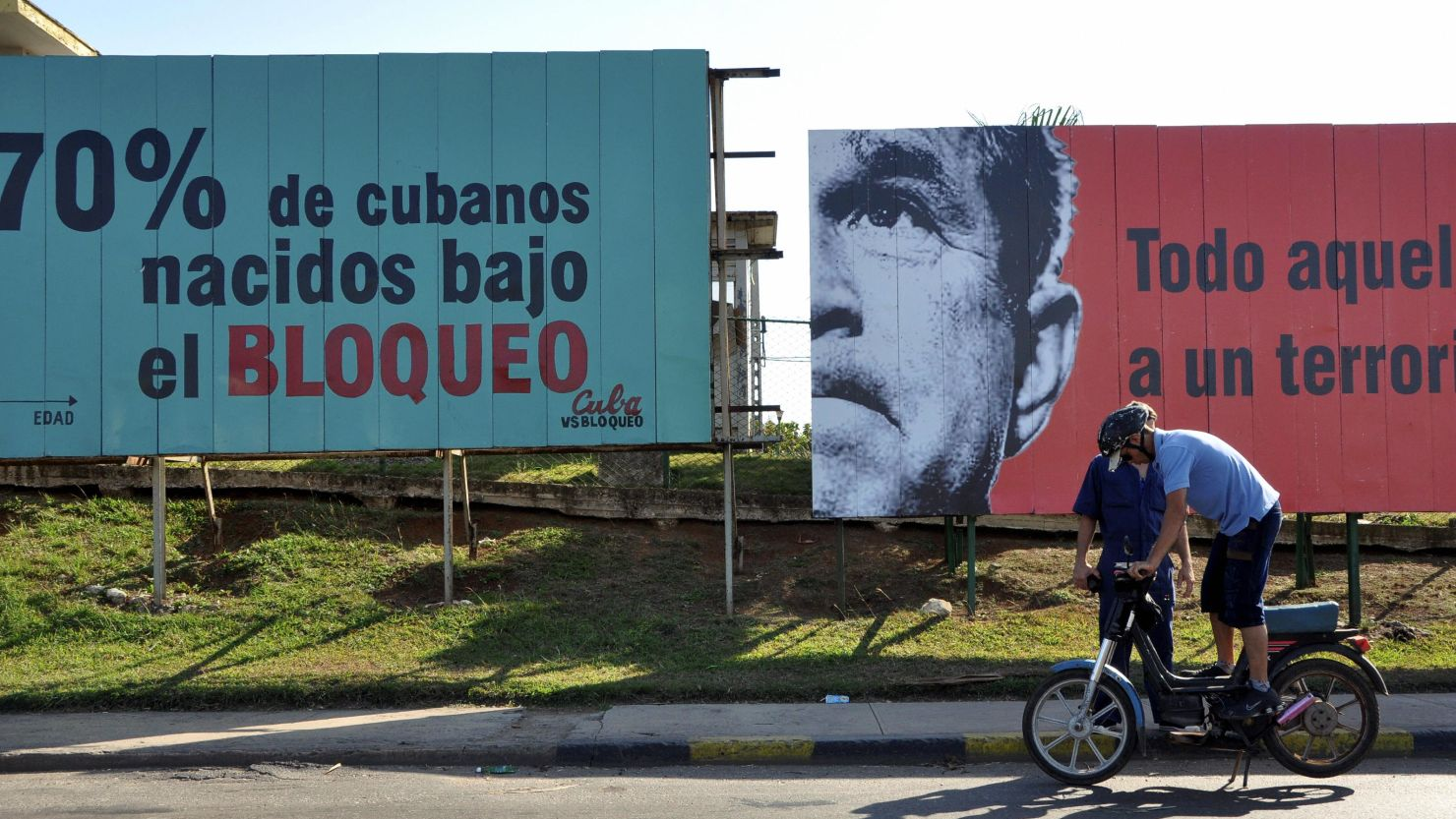
The embargo absolutely plays a central role. Virtually every serious economist or international organization that has studied the issue recognizes that sanctions severely limit Cuban economic development, trade, access to credit, infrastructure investment, and medical imports. Economic isolation has consequences.
The tourist infrastructure argument actually reinforces that point rather than disproves it. Cuba prioritizes tourist sectors because tourism generates desperately needed foreign currency. Countries under economic pressure tend to funnel resources into sectors that keep revenue flowing. You see similar dynamics elsewhere—including Puerto Rico, where tourist zones often receive disproportionate investment while poorer communities remain neglected.
And yes, Cuba has internal inefficiencies, corruption, bureaucracy, and authoritarian distortions that worsen these problems. Both things can be true at once: the embargo damages Cuba profoundly, and the Cuban state has also made serious mistakes.
What is often ignored is that Cuba had already begun evolving into something between state socialism and regulated capitalism—closer to hybrid Nordic-style social democracy than orthodox Cold War communism. During the administration of Barack Obama, careful diplomacy and gradual normalization encouraged local Cuban entrepreneurship, small private businesses, and economic openings. Cubans were slowly building independent economic spaces.
Then the administration of Donald Trump reversed course, intensified sanctions, and explicitly pursued policies designed to economically pressure the population into unrest and rebellion. That strategy—economically suffocating civilians to provoke political collapse—raises profound ethical questions.
So one has to ask: why not allow Cuba to continue transitioning organically toward a mixed economic and political model similar to countries like Norway or other social democracies? Why must Cuba either fully submit to U.S. geopolitical interests or remain isolated and punished?
And we cannot discuss Cuba honestly without confronting history.
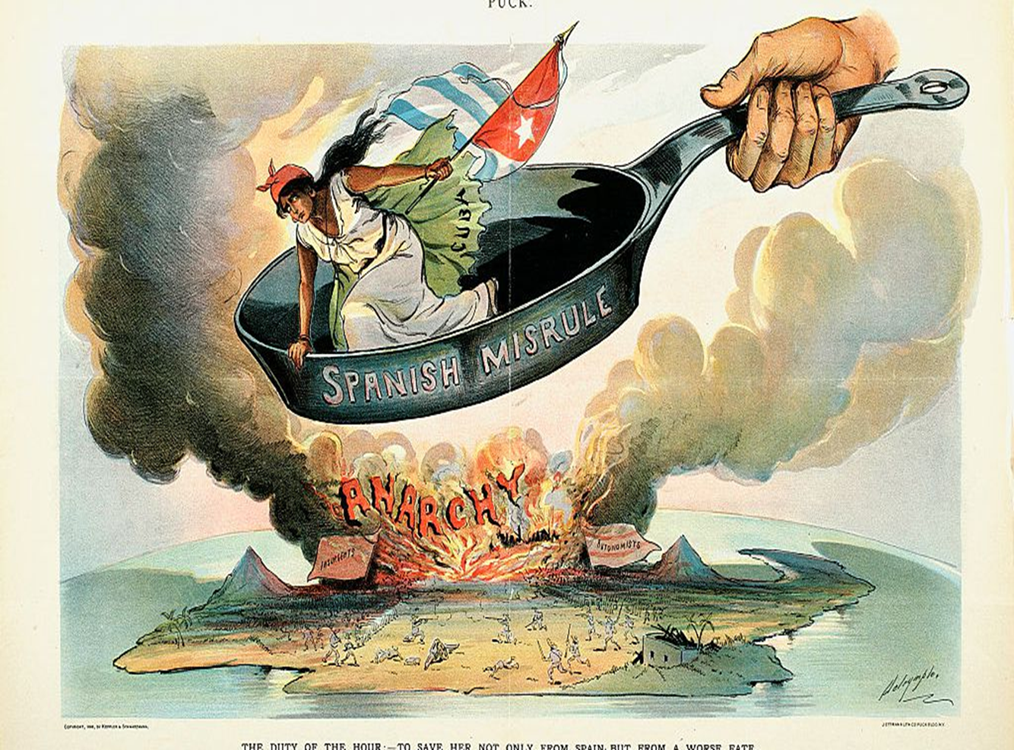
The United States intervened in the Spanish–American War and the Cuban War of Independence not simply out of altruism, but because American leaders feared an independent Cuba outside U.S. influence. Many senators, military officers, diplomats, and policymakers openly described Cubans as racially and culturally “inferior” and incapable of self-government. Those views are well documented.
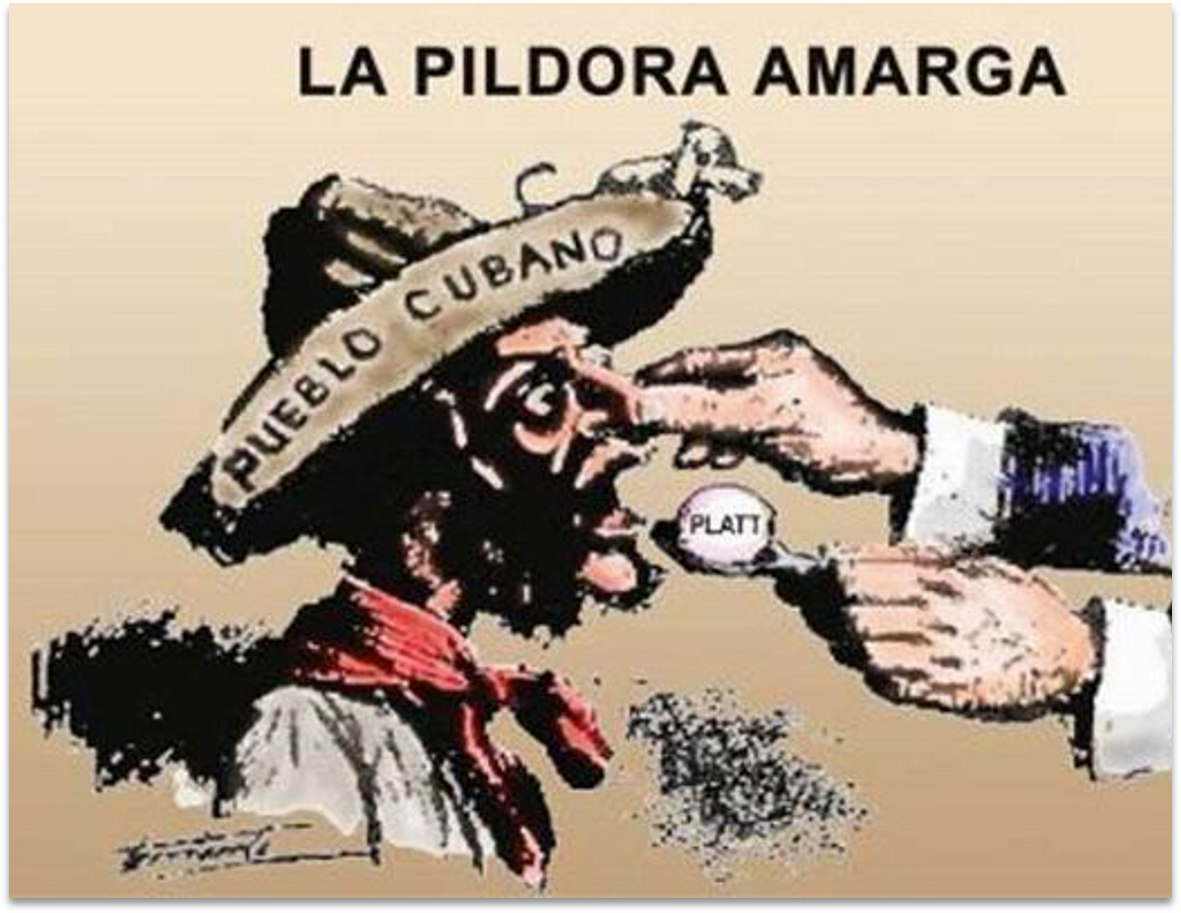
The Platt Amendment effectively turned Cuba into a U.S. protectorate. American corporations dominated large sectors of the Cuban economy, especially sugar, utilities, land, banking, and infrastructure. By the 1950s, organized crime syndicates and American business interests had enormous influence in Havana.
That context matters when discussing the Cuban Revolution.
Why did the Revolution become inevitable for so many Cubans? Because the Batista regime—supported by the United States for years—was widely viewed as corrupt, repressive, violent, and subservient to foreign interests. Batista’s government enriched elites while poverty, inequality, political repression, and state violence intensified.
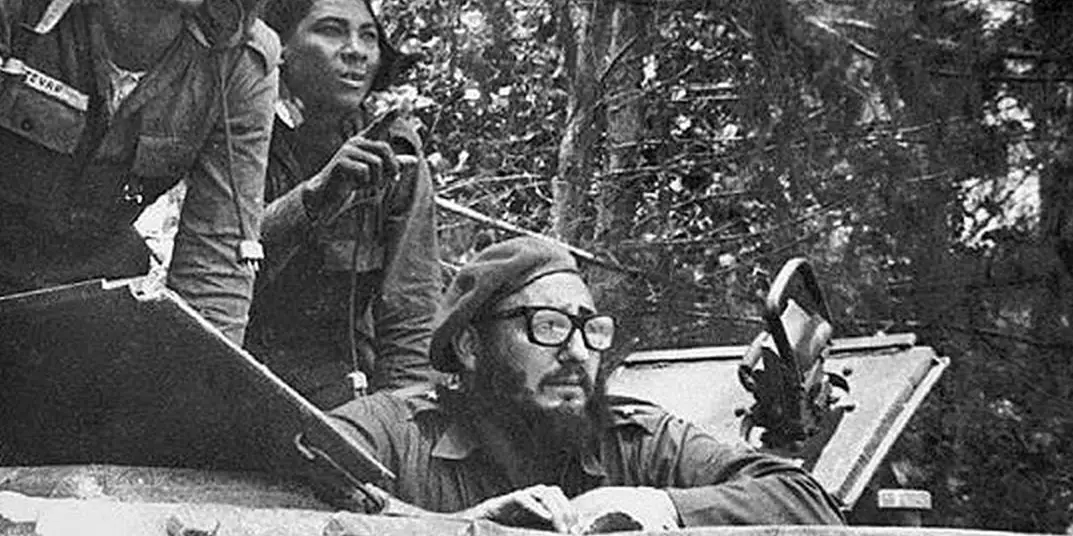
Even declassified CIA memoranda from the period acknowledged this reality. U.S. intelligence assessments described Batista’s forces as engaging in state terror while characterizing much revolutionary violence as counter-insurgency against dictatorship.
That does not mean Castro’s government should be romanticized or excused. I am not a defender of authoritarianism, censorship, or political repression. But refusing to recognize the historical conditions that produced the Revolution reduces history to Cold War propaganda and ignores the realities that millions of Cubans experienced under Batista.
“I would like you to list the damages done by the CIA.”
If someone genuinely believes the CIA played little or no destructive role in Cuba, it is usually because they have not looked seriously at the historical record.
The United States supported covert destabilization campaigns against Cuba for decades:
- Sponsoring sabotage and assassination plots
- Supporting armed insurgencies and infiltration operations
- The Bay of Pigs Invasion, which ironically strengthened Castro domestically at the moment his position was still fragile
- Operation Mongoose, a long-running covert campaign involving sabotage, destabilization, psychological operations, and attempts to provoke regime collapse
Some of these operations bordered openly on state-sponsored terrorism. Ironically, many of them ultimately helped Castro consolidate power by allowing him to present himself as the defender of Cuban sovereignty against foreign aggression.
“The embargo and sanctions are not against the Cuban people. They are against the institutions of the dictatorship and certain business relations with the United States.”
The embargo affects the entire country whether one supports the regime or not. Restrictions on trade, banking, shipping, credit, imports, and investment have broad economic consequences that reach ordinary people directly.
Yes, Cuba can trade with other countries, but sanctions dramatically complicate financial transactions, shipping insurance, credit access, foreign investment, and supply chains. The practical effect is national economic suffocation. That does not absolve the Cuban government of its own failures, corruption, or authoritarianism—but pretending the embargo has no impact on ordinary Cubans is simply not credible.
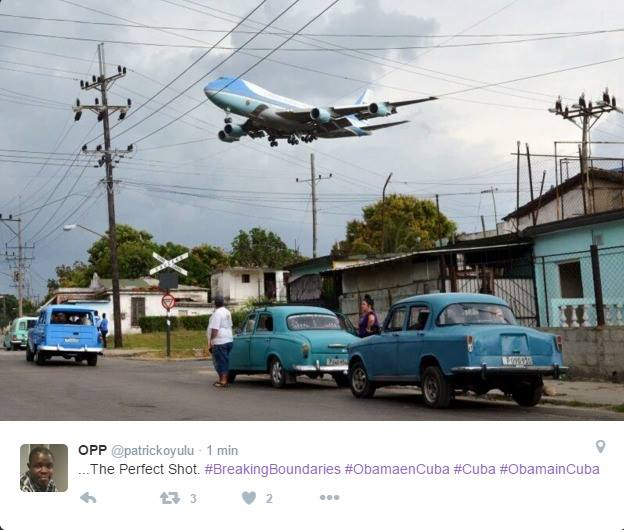
“With the openings under Biden and Obama, the dictatorship benefited, but nothing changed for ordinary Cubans.”
That is simply inaccurate. During the Obama-era thaw, the Cuban government allowed greater space for foreign investment and expanded permission for small private enterprise. Thousands of cuentapropistas—small independent business owners—emerged across the island.
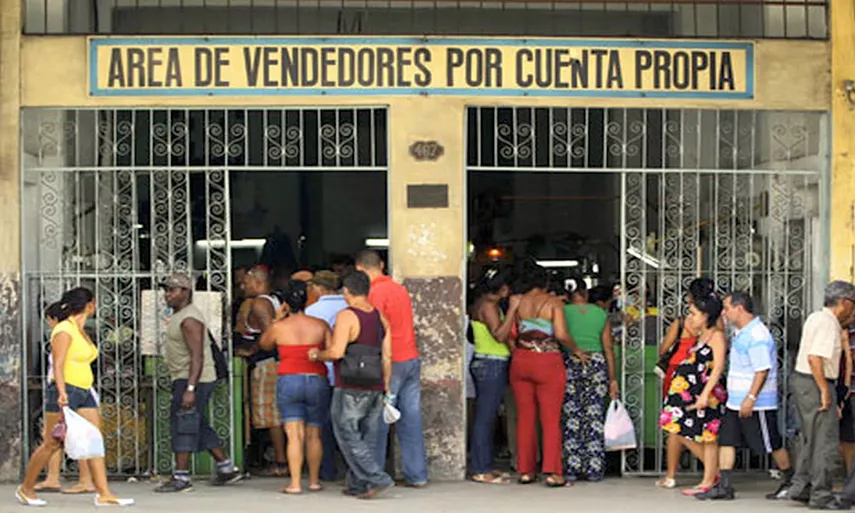
I visited Cuba during that period not as a guest of the regime, but as an academic. I stayed in an Airbnb in Centro Habana, not in a state luxury hotel. I saw the poverty, fear, precariousness, police surveillance, and desperation firsthand. I also saw ordinary Cubans attempting to create small businesses and economic opportunities outside direct state structures.
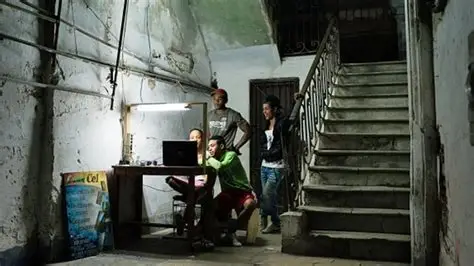
People spoke carefully and only after they trusted you enough to believe you were not a government informant nor a CIA agent. They discussed the regime honestly in private. They purchased “el paquete” to access outside media and information.
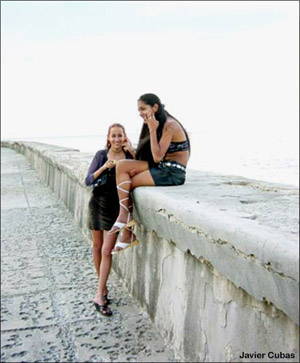
I witnessed prostitution driven by economic survival among both men and women. At one point, even a staff member of the Museo de la Revolución (at the museum), approached me hoping to exchange companionship or intimacy for money, clothes, perfume, a watch—anything of value she could barter or survive on.
So no, I am not blind to the failures and abuses of the Cuban regime. I have consistently criticized the dictatorship, the militarization of society, censorship, political repression, and the betrayal of the Revolution’s original democratic promises.
But acknowledging those realities does not require excusing the role of the United States in helping create the historical conditions that made the Revolution possible in the first place.
History will not absolve Fidel Castro either. He ultimately transformed an anti-dictatorial revolution into another authoritarian system that impoverished many Cubans and restricted political freedoms for decades.
But believing the United States bears no responsibility—or that it ever acted in Cuba’s best interests—is equally ahistorical.
Ironically, Obama’s opening probably created the conditions under which the Cuban system could have gradually transformed itself from within. Economic openings, increased tourism, internet access, small businesses, and outside contact were slowly weakening the monopoly of the state over everyday life.
In many ways, this resembled the long strategy the United States pursued against the Cold War Soviet bloc: engagement, economic pressure combined with normalization, and gradual internal transformation rather than direct military confrontation. One could argue that the Obama approach posed a greater long-term threat to Cuban authoritarianism than decades of isolation ever did.]
“The solution for Cuba and Cubans is the end of the dictatorship and the disappearance of Fidelist ideology. Simple as that.”
Yes—and ironically, engagement was moving Cuba closer to that outcome than permanent confrontation ever did. Much like the gradual opening that helped destabilize and eventually transform the Soviet bloc, normalization with Cuba was encouraging internal social and economic changes that the old Fidelista structure struggled to control.
But there has long existed a powerful sector within U.S. politics that treats Cuba less as a foreign policy issue and more as a domestic ideological battlefield. For decades, parts of the Cuban exile political lobby have pushed Washington toward maximalist confrontation and pushed for military intervention.
Ironically, many Cold War presidents—including John F. Kennedy, Lyndon B. Johnson, Richard Nixon, Jimmy Carter, Ronald Reagan, and George H. W. Bush eventually recognized that direct military confrontation with Cuba was dangerous, counterproductive, or politically unsustainable- and not in the best interests of the United States.
The tragedy is that Cuba became trapped for generations between two rigid systems: an authoritarian revolutionary state on one side and a Cold War mentality on the other—while ordinary Cubans paid the price.
And it is getting worse- as an adventurist and geopolitically irresponsible administration seeks to engage in yet another war of choice just because they think it will be an easy victory that will boost their poll numbers. And here they marched us to war again fueled by a combination of disdain for the sovereignty of militarily weaker counties and brown and black peoples- and hubris- which has been the trademark of US diplomacy to towards layin America and teh Caribbean.

