All history, like politics, is both local and global. Christopher Columbus’s arrival in the Bahamas’ island of Guanahaní (which he named San Salvador and today is known as Waitling island) on October 12, 1492, is no exception.
To understand that event, we must look beyond Columbus himself, beyond the Indigenous peoples he encountered, and beyond the countries that emerged from European colonization. We must understand the global forces that brought Europeans across the Atlantic, the societies they encountered, and the political struggles that shaped the world that followed.
We must also ask this question: Are we challenging the myths of conquest and colonization, or simply replacing them with new myths that serve our own political and cultural interests?
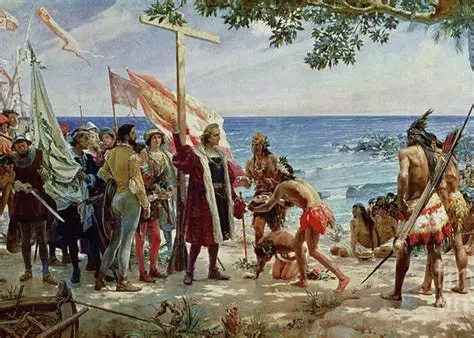
Columbus Day, Día de la Raza, and even some contemporary celebrations of Indigenous resistance are problematic in different ways. Columbus Day can glorify exploration while obscuring conquest, exploitation, and dispossession.
Día de la Raza can turn the violence of colonization into a celebratory story of racial and cultural mixing, overlooking how mestizaje became both a consequence of colonialism and a tool for constructing racial and class hierarchies.
And narratives that portray Indigenous peoples as a single, innocent population united against Europeans erase the political rivalries, alliances, and historical agency of the very people they seek to honor.
There is another problem. The competition between Anglo-America and Latin America over Columbus and the meaning of October 12 reproduces the old imperial and cultural rivalry between Anglo-Saxon and Latin Europe. Each side seeks to establish its own historical legitimacy, claim its own place in the origins of the Americas, and diminish the other’s claims.
I have little interest in perpetuating that competition. History should help us understand the world, not recruit us into another round of imperial scorekeeping.
Columbus was part of a global historical process- When I teach U.S., Puerto Rican, Latine, Caribbean, Latin American, or global history, I place Columbus’s expedition within a much longer history of trade, exploration, political competition, and imperial expansion.
For centuries, the Mediterranean basin connected the commercial worlds of Europe, Africa, and Asia, a vast, interconnected region often described as Afro-Eurasia. Its societies traded goods, exchanged knowledge, fought wars, negotiated alliances, and competed for political and economic power.
Religion was central to this world. Particularly during the late Middle Ages, religious identity helped define political communities, legitimize rulers, shape legal systems, and justify warfare and conquest. Christian and Muslim powers competed for territory and commercial influence while also trading and negotiating with one another.
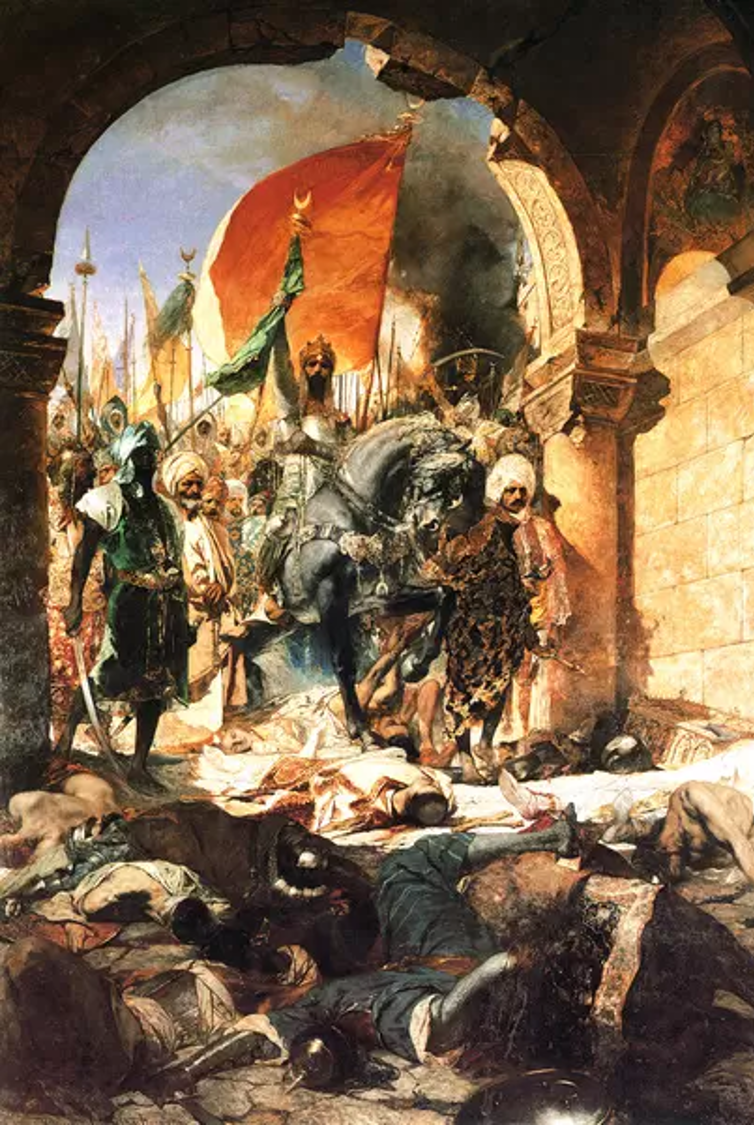
The Ottoman conquest of Constantinople in 1453 transformed the balance of power in the eastern Mediterranean. It did not end trade between Europe and Asia, but it contributed to the circumstances that encouraged European powers to seek alternative routes to Asian markets.
The Portuguese led the way in exploring the Atlantic coast of Africa and sailing toward the Indian Ocean.
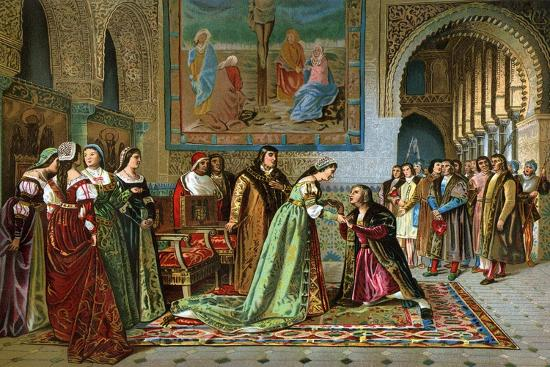
Castile and Aragon, whose crowns formed the basis of the Spanish monarchy, eventually backed Columbus’s proposal to sail west– mostly because of their need for resources and an underdeveloped exploration tradition when compared to Portugal.
Columbus was therefore part of a broader movement driven by economic interests, political rivalries, religious ambitions, and advances in maritime exploration. Had he not sailed, another European expedition would likely have reached the Americas eventually. The timing and circumstances might have differed, but the forces driving European overseas expansion were already in motion.
That is what it means to understand an individual as part of a historical process. It does not diminish his importance. It explains it.
Columbus was mistaken about geography, not the shape of the Earth–One of the most persistent straw-man arguments in popular discussions of Columbus is “disproving” that he proved the Earth was round.
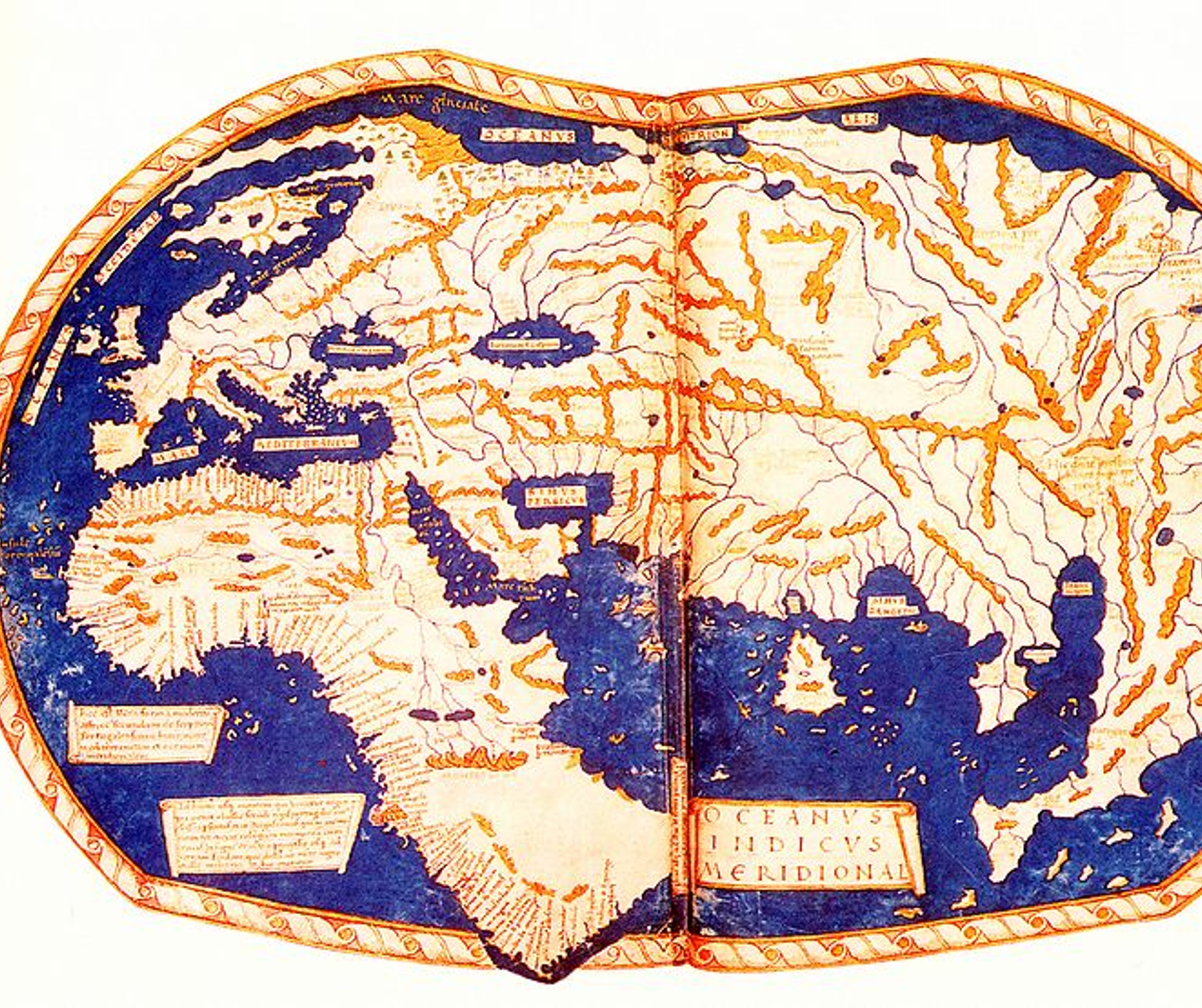
Problem is that he never claimed to have done so. Educated Europeans- and sailors in general- generally understood that the Earth was spherical. The disagreement concerned its circumference and the distance between Europe and Asia when traveling west.
Columbus substantially underestimated that distance. He believed that sailing west across the Atlantic would take him to Asia within a feasible voyage. Without the intervening continents of the Americas, his expedition would not have reached Asia as he anticipated and would likely have perished at sea or been forced to turn back.
His calculations were wrong. That does not make him an ignorant buffoon.
Columbus assembled information from maps, chronicles, secondhand reports, and knowledge of winds and currents. He interpreted that information incorrectly, but he was attempting to solve a difficult navigational problem with the knowledge and tools available in the fifteenth century.
Could you plot a reliable voyage across an unfamiliar ocean without modern maps, dependable longitude calculations, or contemporary navigation instruments? The question is worth considering before dismissing Columbus as a fool.
We can assess his mistakes without pretending he possessed knowledge unavailable in his time. Historical analysis requires us to distinguish between errors of judgment, the limitations of contemporary knowledge, and the circumstances that made an undertaking possible.
Exploration is not the same as discovery– Columbus did not discover the Americas. Millions of people belonging to thousands of distinct communities and civilizations already inhabited the Western Hemisphere. Their histories stretched back thousands of years. Claiming he discovered the Americas denies the basic humanity of the people already living here.
Nor was Columbus the first European to reach the Americas. Norse explorers established a settlement at L’Anse aux Meadows in present-day Newfoundland around 1000 AD, centuries before his voyages. However, that earlier presence is barely historically significant since it lasted little and did not improve geographical knowledge of the world, Europe, or even subsequent generations of Norsemen. It certainly did not initiate the sustained transatlantic expansion that followed Columbus.
The distinction is straightforward: arriving somewhere first and transforming the course of history are two different things.
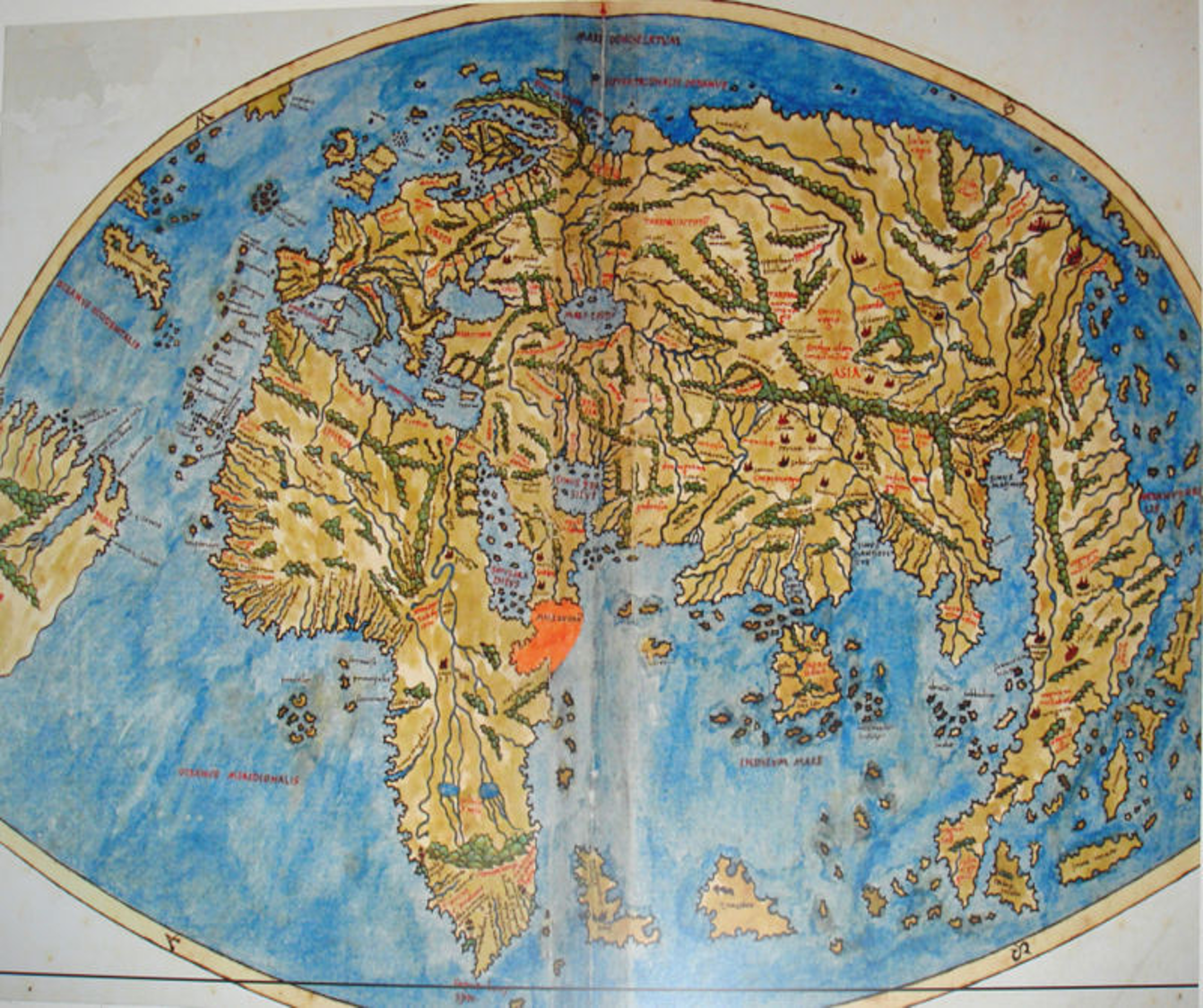
Columbus’s voyages helped establish sustained connections between Europe and the Americas. They initiated a period of expanding exploration, conquest, colonization, and global exchange that reshaped societies across the hemisphere and beyond. Subsequent expeditions expanded European geographical knowledge and contributed to developments in navigation and the study of the natural world.
They also facilitated the exploitation of resources, the displacement of Indigenous peoples, and the forced transportation and enslavement of millions of Black Africans across the Atlantic.
This is why Age of Exploration is more appropriate than Age of Discovery when describing the period. Europeans explored lands that were largely unknown to them; they did not discover an empty hemisphere.
America is not just the United States. The U.S. is but one country within the Americas, a hemisphere extending from North America to South America and encompassing the Caribbean and its many islands.
Columbus reached the Caribbean in 1492, and his subsequent voyages took him to other islands and parts of the continental mainland. His historical importance does not depend on whether he set foot within the borders of the present-day United States. Insisting otherwise makes a modern country the center of a history that long predates it and extends far beyond it.
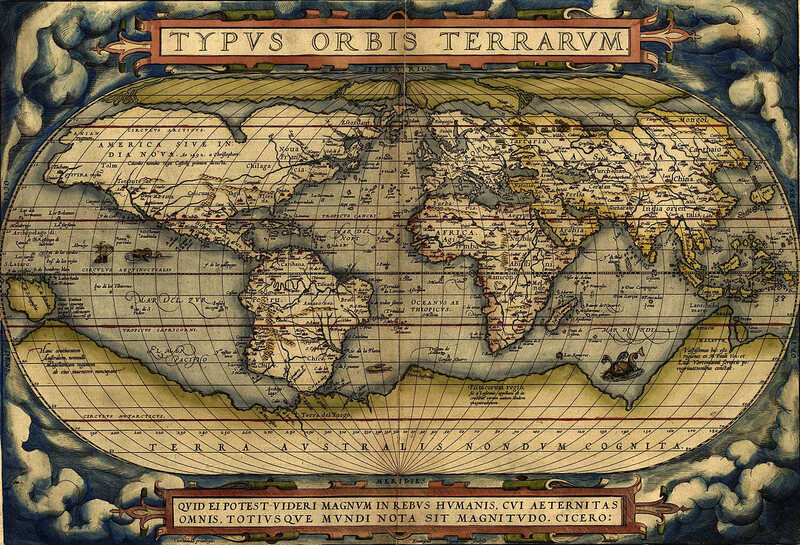
This is 78 years after Europeans arrived at the Caribbean in 1492 triggering the Age of Exploration.
Columbus was not the conquest-Columbus and the colonial authorities under his administration committed serious abuses against Indigenous populations. His rule in the Caribbean involved coercion, forced labor, violence, and exploitation. He deserves historical scrutiny for his conduct. But the conquest of the Americas cannot be reduced to Columbus’s personal actions.
The colonial catastrophe unfolded over centuries and involved monarchs, conquistadors, administrators, settlers, missionaries, merchants, Indigenous allies, and African people who were forcibly transported across the Atlantic. Epidemic disease, warfare, forced labor, displacement, and the disruption of communities all contributed to the devastating consequences of European expansion.
Columbus was arrested and returned to Spain in chains in 1500 following an investigation into his administration. The allegations included abuses of authority and failures of governance, while his downfall also reflected political conflict and dissatisfaction with the extraordinary powers he had received from the Crown. He was subsequently allowed to undertake another voyage, although he never recovered his former governing authority.
These details matter because the historical record is more complicated than the familiar image of a genocidal maniac whose crimes were either ignored or fully understood by his contemporaries.
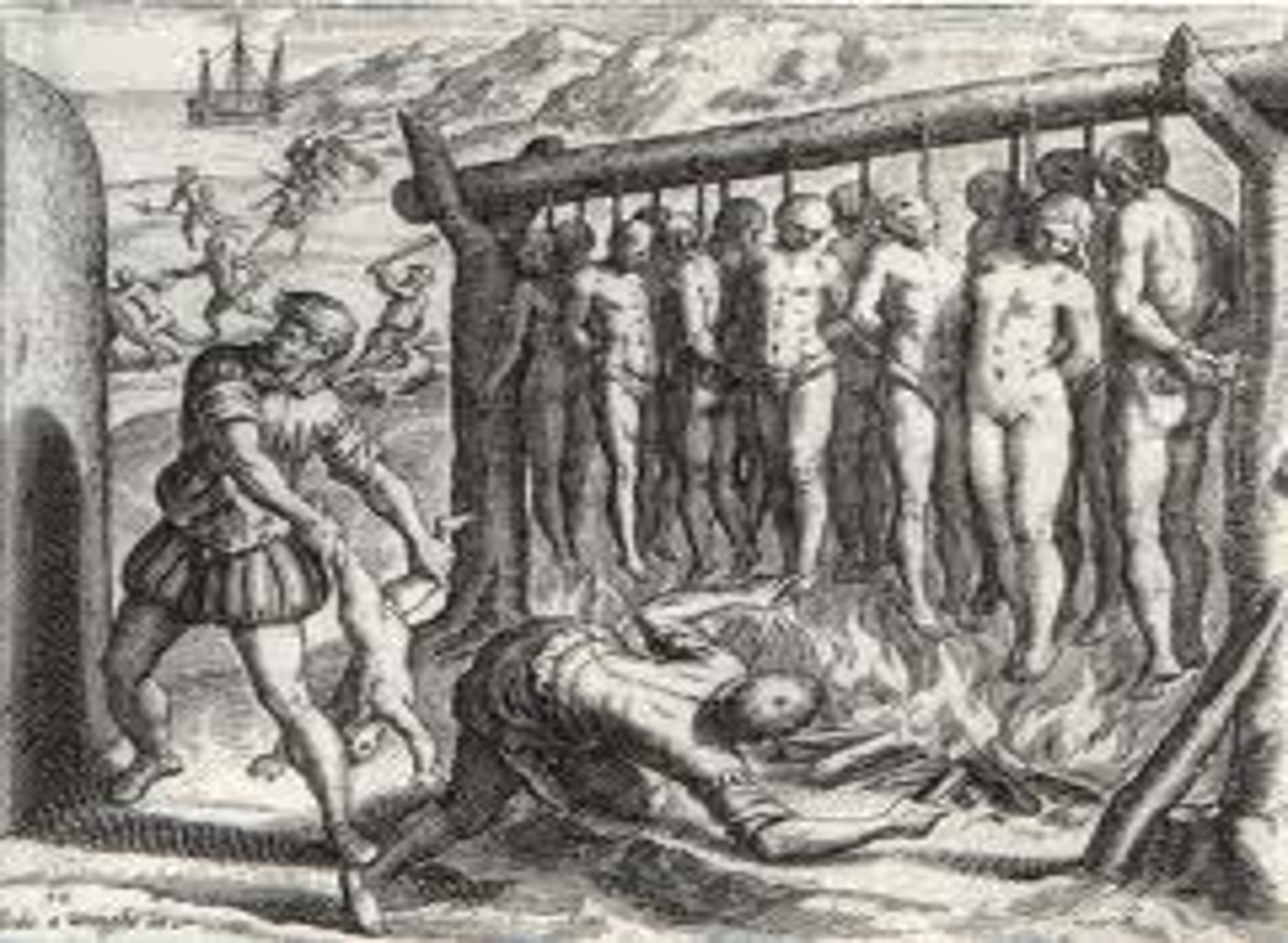
The term genocide also requires careful use. The conquest produced catastrophic Indigenous population losses, and colonial authorities and settlers committed massacres and other atrocities.
Whether particular actions or policies constitute genocide requires evidence concerning the acts, their circumstances, and the intentions involved. Neither assigning the label to Columbus as a substitute for historical analysis nor pointing to Indigenous survival as proof that genocide did not occur is sound reasoning.
We can condemn colonial violence without turning history into caricature. We can recognize the magnitude of Indigenous suffering without pretending that one man explains and is responsible for everything that happened.
Indigenous peoples were not a monolith- The Indigenous peoples of the Western Hemisphere belonged to thousands of distinct societies, ranging from small-scale communities and tribal confederacies to kingdoms, city-states, and full-fledged empires. They spoke different languages, practiced different religions, developed different political institutions, and pursued different economic and strategic interests.
Like societies in Europe, Africa, and Asia, they experienced warfare, famine, competition for resources, political succession crises, commercial rivalries, and struggles over territory. They formed alliances, fought their neighbors, conquered other peoples, negotiated agreements, and competed for power.
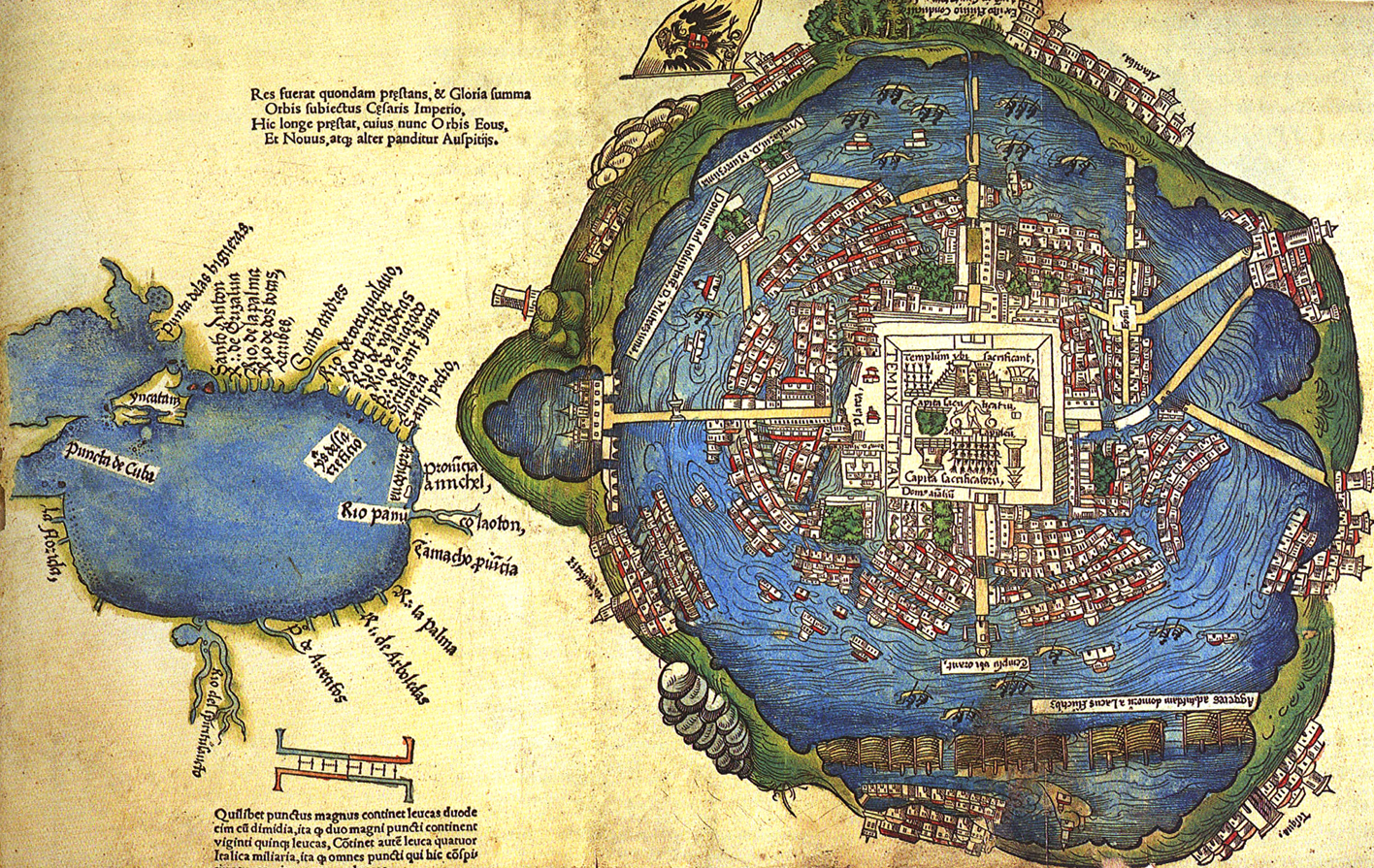
They also created sophisticated systems of government, trade, agriculture, engineering, art, and knowledge. Their diversity cannot be reduced to a single model of civilization, just as the societies of Europe, Africa, and Asia cannot be reduced to one.
Yet contemporary non-academic narratives sometimes portray Indigenous peoples as a unified homogenous population that should naturally have joined forces against the Europeans. This expectation makes little historical sense.
Consider the Iberian Peninsula. When Muslim forces crossed into the peninsula in 711, the Christian kingdoms and other political communities did not immediately form a unified front against them. They competed with one another, entered into shifting alliances, and pursued their own interests. The history of al-Andalus and the Christian kingdoms was shaped by changing political calculations rather than an unbroken struggle between two homogeneous civilizations.
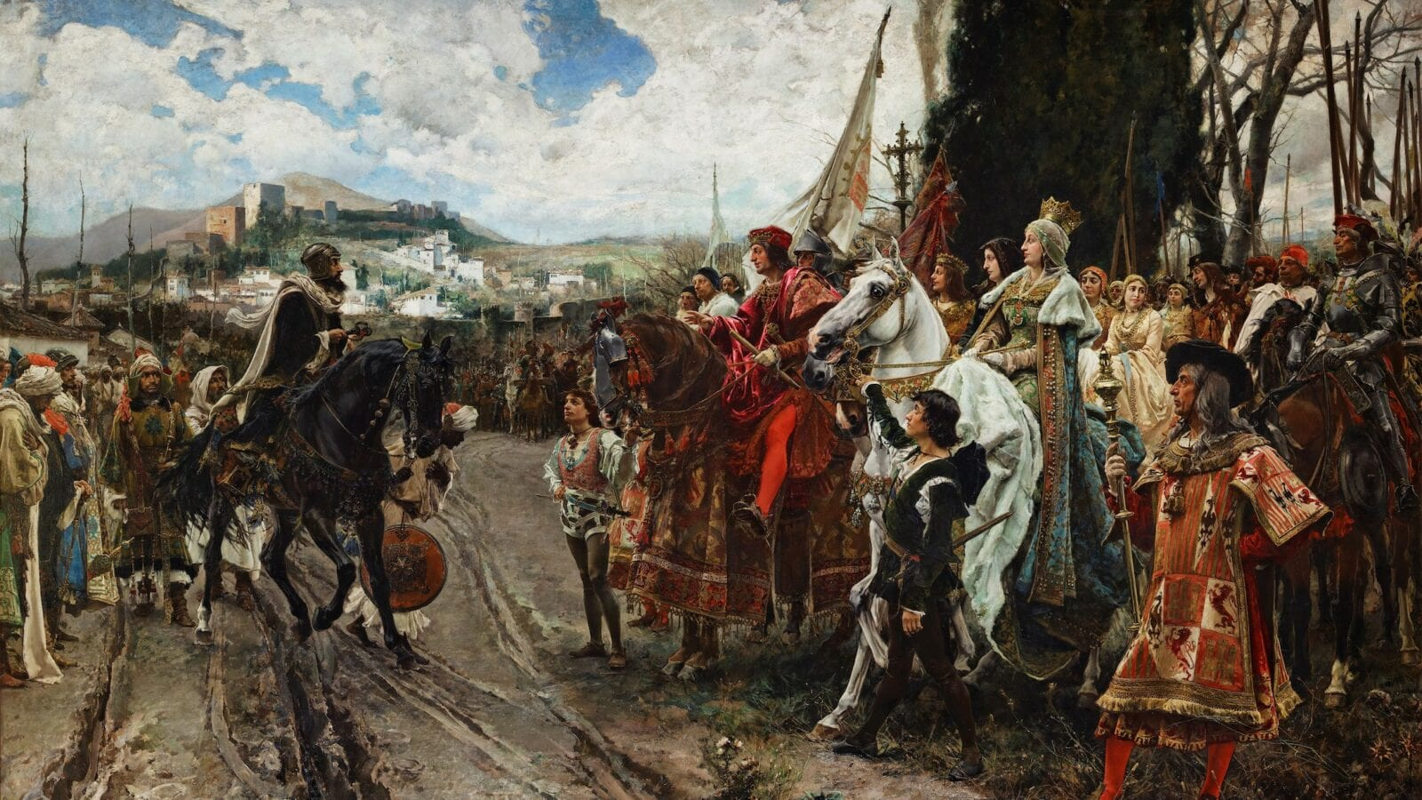
The same principle applies to the Americas. Europeans arrived in a hemisphere already shaped by political rivalries, regional powers, and longstanding conflicts.
For some Indigenous communities, the newcomers represented an opportunity to challenge existing enemies. Others resisted the Europeans from the beginning. Still others changed their positions as circumstances evolved.
The Indigenous peoples of the Americas did not create a unified front against the Europeans for the same reason that the peoples of Iberia did not create one against the Muslim forces who arrived in 711: they were distinct societies with their own interests, rivalries, and political calculations.
Many Indigenous communities allied themselves with Europeans, sometimes because they believed those alliances would help them defeat their own rivals. Recognizing those choices does not mean blaming Indigenous peoples for their eventual colonization. It means acknowledging their agency.
The conquest of Mexico was also an Indigenous struggle for power- The fall of Tenochtitlan (Capital of the Mexica (Aztec) empire) in 1521 illustrates this reality.
Hernán Cortés and his Spanish followers did not defeat the Mexica Empire by themselves. Their campaign depended on extensive Indigenous alliances, particularly with the Tlaxcalans and other communities opposed to Mexica power.
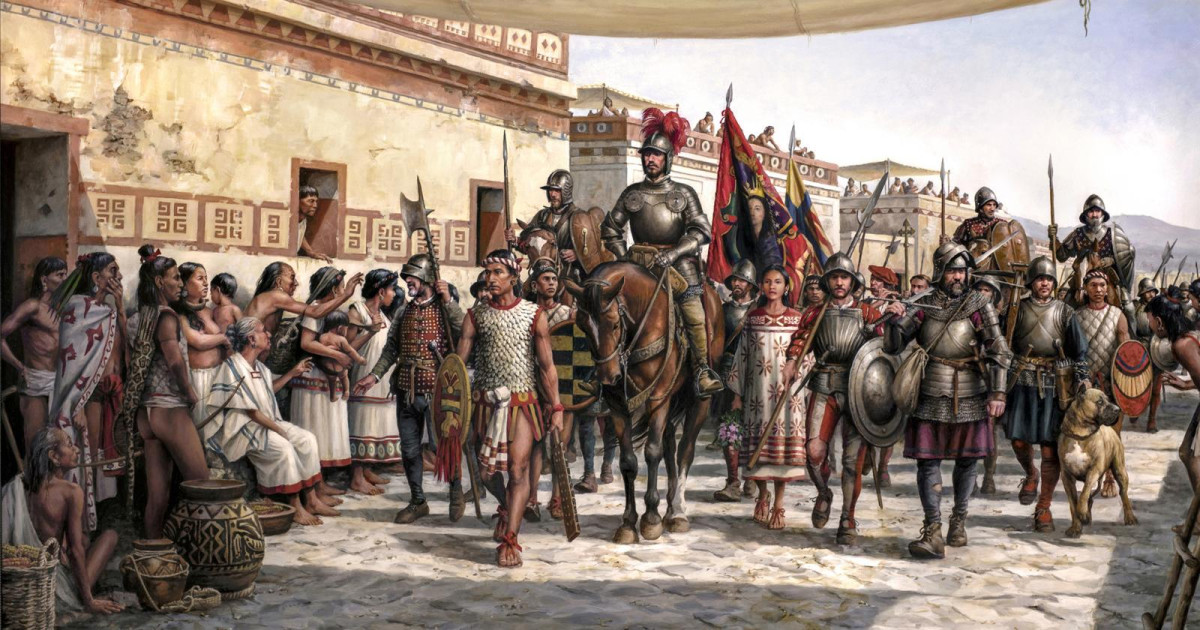
The Mexica had established a powerful empire through warfare, political alliances, and the extraction of tribute from subject communities. Their expansion created enemies and dissatisfied subjects with their own reasons for seeking to weaken or overthrow Mexica rule.
The Spanish arrival created an opportunity.
Indigenous allies provided warriors, resources, local knowledge, and military support essential to the campaign.
The siege and fall of Tenochtitlan resulted from a broad military and political struggle, compounded by epidemic disease and the instability that followed.
The Spaniards were central to the conquest, but they were a numerical minority within the much larger Anti-Aztec coalition that brought down the Mexica capital.
This does not make Indigenous allies responsible for the colonial order that followed. Nor does it excuse Spanish violence or exploitation.
It demonstrates that the conquest was not simply a handful of Europeans overpowering a united Indigenous world.
Across the Americas, European expansion depended to varying degrees on Indigenous participation, local knowledge, interpreters, and political relationships. Indigenous peoples were not merely the objects of history.
Their decisions shaped it, even when the longer-term consequences proved disastrous for them.
The problem with romanticizing Indigenous peoples-When we assume that Indigenous societies did not know warfare, famine, political domination, or violence before the arrival of Europeans, we infantilize them. We transform complex societies into a single, innocent, childlike collective, supposedly untouched by the moral and political conflicts that shaped the rest of humanity.
That is not respect. It is another form of Eurocentric thinking, even when presented in the language of solidarity. And it is overall, another form of dehumanization.
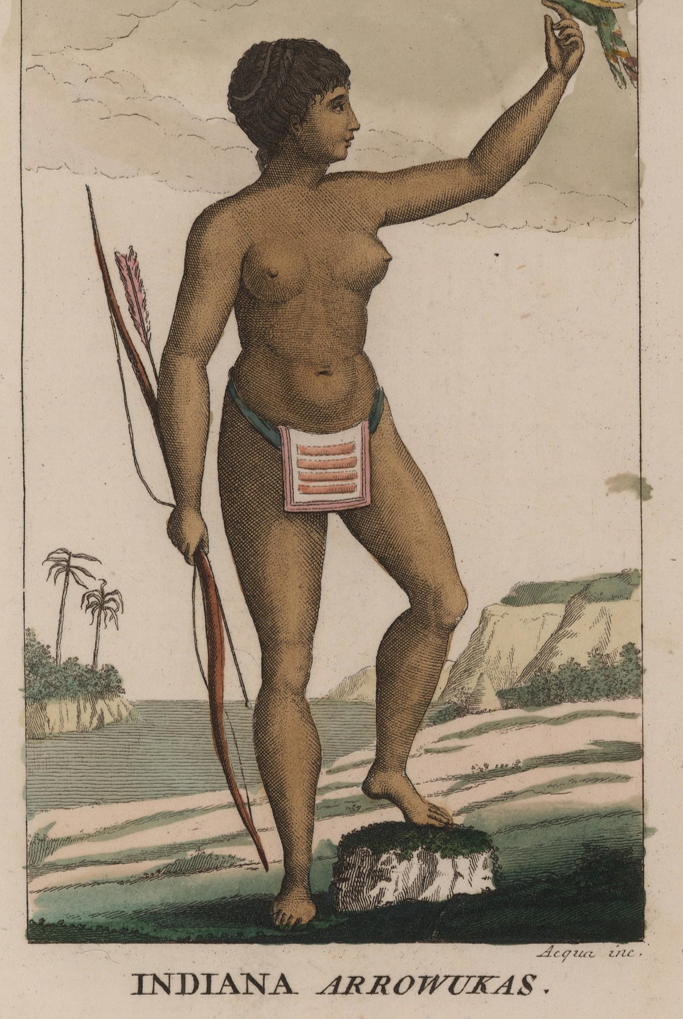
European observers in the sixteenth century often portrayed Indigenous peoples either as innocent children (the noble savage) who required Christian conversion and European supervision or as savages who lacked civilization and could therefore be conquered and enslaved.
Although these portrayals differed in their apparent sympathy, both denied Indigenous peoples the complexity and agency accorded to Europeans.
Romanticizing Indigenous peoples today risks reproducing that same fundamental error. The Indigenous societies of the Americas possessed the full range of human virtues and vices. They built sophisticated societies, developed systems of knowledge, and created rich cultural traditions. They also fought wars, competed for resources, imposed their authority on other peoples, and pursued their own interests.
None of this makes them less deserving of respect. It makes them human.
The same principle must apply to Europeans, Africans, and Asians. We cannot assign complexity to some populations while denying it to others. Historical analysis must recognize the humanity of all its subjects without confusing understanding with justification.
Día de la Raza: mestizaje and the politics of belonging- If Columbus Day can glorify conquest, Día de la Raza can obscure it in a different way.
The concept of mestizaje emphasizes the mixing of peoples and cultures that shaped Latin America. There is an important historical reality behind that idea. Spanish America became profoundly mixed through the interactions of Indigenous peoples, Europeans, and Africans, including relationships formed under conditions of slavery, coercion, and unequal power.
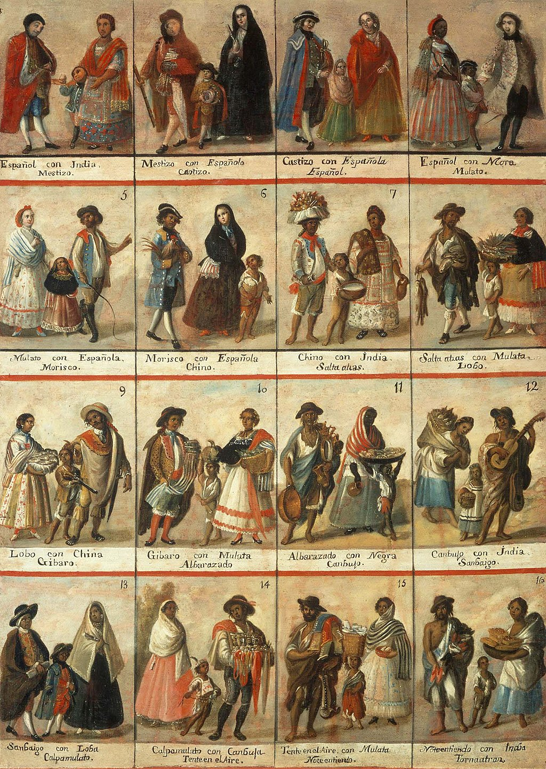
Mestizaje was not simply a harmonious blending of cultures. It unfolded within a colonial society organized by racial and social hierarchies.
Ancestry, skin color, legal classification, wealth, and social status influenced access to privilege and power. Intermarriage and cultural exchange did not eliminate those inequalities; they occurred alongside them.
Mestizaje was both a consequence of colonialism and, in important ways, a means through which colonial society organized and reproduced racial power.
Its later celebration requires equal scrutiny. After independence, predominantly white or European-descended criollo elites in many Latin American countries sought to establish national identities that distinguished their new republics from Spain while claiming membership in a broader national community.
During the nineteenth and twentieth centuries, ideologies of mestizaje offered ways to present racial mixing as the foundation of national identity. Yet elites could celebrate a supposedly unified people while continuing to marginalize Indigenous and Black populations, promote European immigration, or pursue policies of racial whitening. These projects varied considerably across Latin America, but they placed European ancestry and cultural norms at the top of the social hierarchy.
Día de la Raza itself emerged in the early twentieth century, with its adoption across Spanish America taking shape particularly between 1912 and 1921. Its history was tied partly to renewed cultural identification with Spain and partly to a response to the growing prominence of Columbus Day in the United States.
This history reveals a central contradiction. Mestizaje could be celebrated as proof of racial harmony and a shared national identity while the societies doing the celebrating continued to reproduce racial inequality.
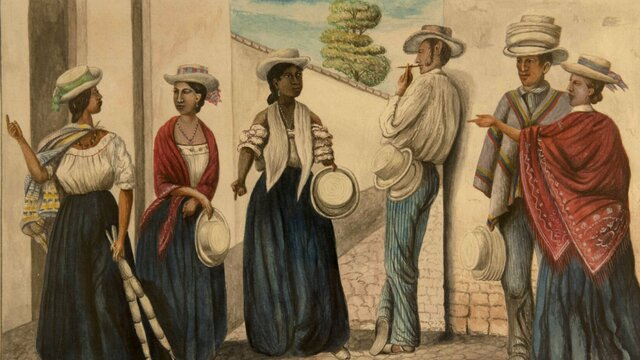
In this sense, Día de la Raza can make light of conquest and colonization by transforming a history of unequal power into a story of cultural fusion. It can celebrate the emergence of a mixed people without adequately confronting the violence, exploitation, and hierarchies through which that population was formed.
It can also serve the interests of elites who claim to speak for the entire nation while Indigenous and Afro-descendant communities continue to face exclusion. The historical reality of mestizaje deserves recognition. Its use as a national mythology deserves scrutiny.
Anglo-America versus Latin America: another imperial competition– The debate over Columbus also reflects a much older rivalry between Anglo and Latin Europe.
In the United States, Columbus became an important symbol of Italian-American civic identity and a challenge to an origin story that emphasized English settlement. Latino historians have likewise emphasized the histories of San Juan, Puerto Rico; St. Augustine, Florida; and the former Spanish and Mexican territories that now form much of the American Southwest.
These histories deserve a place in the history of the United States. They reveal that the country emerged from a complex world of Indigenous societies, Spanish and Mexican institutions, African peoples, and competing colonial projects long before its present borders were established.
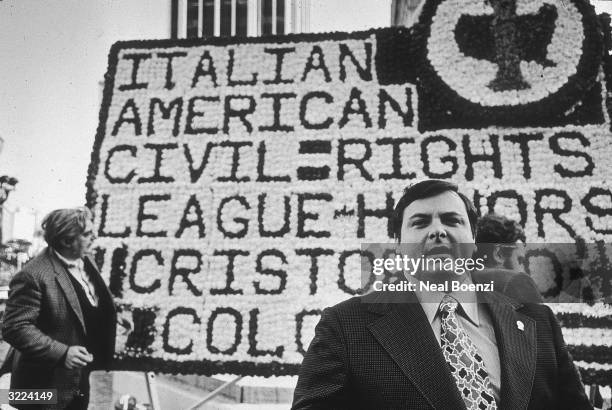
But there is a danger in turning this correction into another contest over who deserves the greater historical claim. When Anglo-American and Latin American narratives compete to establish the legitimacy of their respective cultural worlds, they risk reproducing the very imperial competition they claim to challenge.
Columbus becomes a proxy for the struggle between Anglo and Latin identities. The history of the Americas becomes a contest between rival civilizations rather than an opportunity to understand the societies, conflicts, and exchanges that shaped the hemisphere. I exhort you not to repeat that competition.
Decentering the United States does not require romanticizing Latin America.
Recognizing Spanish and Mexican contributions to U.S. history does not require minimizing English colonialism, just as acknowledging English colonialism does not require treating Spanish colonialism as benign.
Nor does recognizing the brutality of the conquest require portraying Indigenous peoples as a unified political bloc.
The purpose of comparing Spanish and English colonization is to understand how different imperial systems developed distinct, though overlapping, patterns of settlement, labor exploitation, racial classification, cultural mixing, and Indigenous dispossession. Those differences helped shape the historical division between Anglo-American and Latin American societies. They do not provide a basis for declaring one civilization morally superior to the other.
History should help us escape inherited rivalries, not enlist us in them.
Why I teach history this way- Teaching Columbus within a broader global context means examining how individuals act within larger structures of economic competition, political power, religious belief, social organization, and technological change.
It means understanding how historical outcomes emerge from decisions, conflicts, alliances, and circumstances that no single individual controls.
Teaching the conquest requires acknowledging both European responsibility and Indigenous agency.
Teaching mestizaje requires examining cultural exchange alongside racial hierarchy.
Teaching the history of the United States requires recognizing its connections to the Caribbean, Latin America, Europe, Africa, and Asia rather than treating it as the inevitable culmination of human progress.
This approach does not eliminate moral judgment. It makes that judgment better informed.
We can condemn atrocities, recognize exploitation, and examine racial inequality without sacrificing historical accuracy. Indeed, the more serious the moral stakes, the more important accuracy becomes.
As historians, and as citizens who use history to inform public debate, we have an obligation to make arguments that are sound. Hyperbole, half-truths, and historical caricatures may be rhetorically effective in the short term, but they ultimately weaken the arguments and causes they are intended to advance.
The purpose of history is not to exculpate Columbus, absolve European empires, romanticize Indigenous societies, or assign collective guilt to entire populations. It is to understand how people acted within the circumstances of their time, how institutions and structures shaped their choices, and how the consequences transformed the world.
There are legitimate reasons to reconsider Columbus Day, recognize Indigenous resistance and survival, and challenge the glorification of conquest. There are equally legitimate reasons to question whether Día de la Raza adequately confronts the violence of colonization or the racial hierarchies that survived it.
No single commemorative name can resolve these contradictions. What matters is whether we use October 12 to deepen our understanding or simply reinforce the myths we already prefer.
Write arguments that are sound—whether as a historian or as an activist seeking to inform or effect change. Hyperbole and half-truths will only hurt your case and your causes.
We do not need to celebrate conquest or romanticize resistance. We can acknowledge Indigenous survival without denying Indigenous agency, condemn colonial atrocities without turning history into caricature, and recognize the consequences of European expansion without reducing the past (and our present and future) to a contest between Anglo and Latin civilizations.
The best way to understand October 12 is to look beyond Columbus, beyond national myths, and beyond the old competition between imperial worlds.
History is not a morality play. It is an effort to understand the complexity of the human experience—and to learn from it without turning the past into another weapon in the struggles of the present.

