That the Nacionalistas were planning a coup or insurrection was hardly a secret.
Emboldened by the apparent inaction of the insular government, Albizu Campos continued his call to arms against the U.S. and its representatives on the island – Muñoz Marín, the Populares, and anyone who served, worked, or were in any way related to the metropolis.
In fact, Albizu’s list of enemigos de la patria (enemies of the nation) grew longer every day.
In his speeches, Albizu Campos defied the hated Gag Law of 1948, which prohibited planning or promoting by any means the overthrowing of the island’s government.[1]
In May 1948 the Insular Police had also established the Internal Security Unit, which worked closely with the local FBI unit to keep the Nacionalistas, Communists and Independentistas under surveillance.
On October 27, 1950, the Insular Police detained one of the cars of Albizu Campos’ motorcade and found explosives, weapons, and ammunition in its trunk. Throughout the Island the Nacionalistas rushed to hide their weapons and the chaos led to a gunfight with the Insular Police.
After this second event, the Insular Police started a series of raids against known Nacionalistas.
Albizu Campos immediately ordered the Ejército Libertador to launch a general attack against the Insular Police, political leaders and elected officials at midday on 30 October.
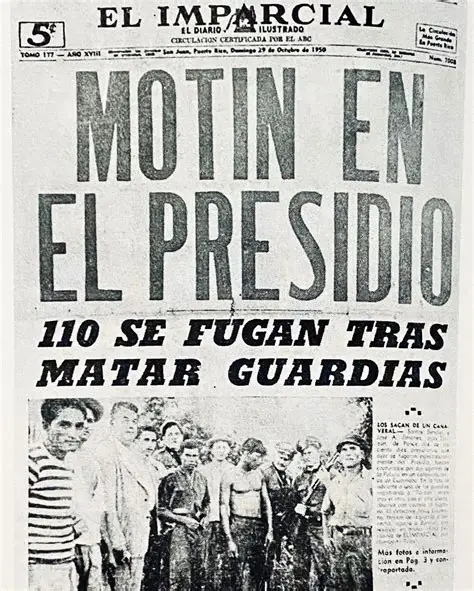
However, the Nationalist Insurrection had begun on October 28 as the Nacionalistas helped some 112 inmates to flee from the Insular Penitentiary.
For a long time seen as a diversion, the mass escape was in fact designed to secure additional manpower and weapons for the insurrection.
The leader of the inmates who escaped that day, Pedro Benejam Alvarez, in jail for stealing military weapons and ammunition from Camp O’Reilly, had promised the Nacionalistas to hand over the stolen weapons in exchange for his freedom in the Republic of Puerto Rico.
Several inmate leaders had promised that some 1,000 men would join the revolt.[2]
The bulk of the incarcerated population in the Insular Penitentiary population came predominantly from the poor, working, and trade classes.
The majority were incarcerated for murder/homicide, rape, robbery and burglary, theft, assault, weapons offenses, and repeat/recidivist offenses.
After the plans for the insurrection had to be accelerated because of the events of October 27, the Nationalists helped Benejam Alvarez and others to escape. The mass escape served tactically as a diversion as it kept the Insular Police occupied, but it also alerted them of the impending battle.
As ordered by Albizu Campos, the Nationalists launched their attack on 30 October on what is known as the Grito de Jayuya – or Jayuya’s Revolution.
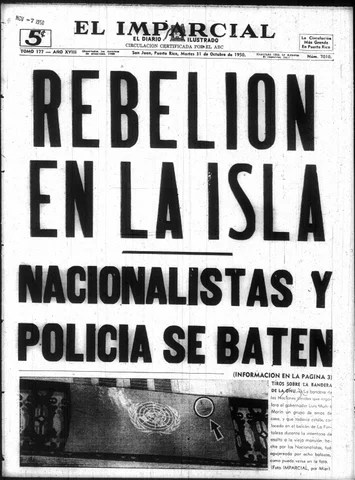
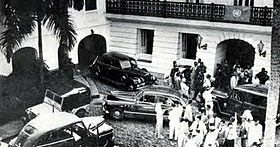
The revolt became a series of gunfights between Nacionalistas and the police in the cities of Ponce, Arecibo, Mayagüez, the town of Naranjito, and a more concerted attack in San Juan – including the attempted assassination of Governor Muñoz Marín in La Fortaleza (the governor’s house).[3]
The attack on La Fortaleza was quickly repelled but three nationalists were killed and another wounded, in addition to six policemen who also suffered injuries.
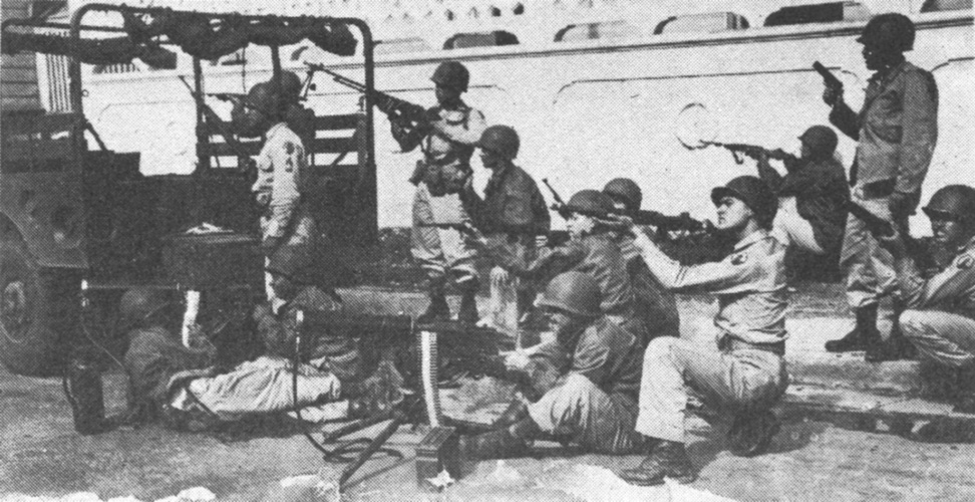
The island, Unites States, and world press printed scenes of the failed attack including a United Nations flag riddled with bullet holes flying over the governor’s house. The visual was indeed damaging to the Nacionalistas.
News reported: “Oct 30: Utuado Uprising: Blanca Canales leads dramatic revolt in Jayuya. One epicenter of the uprising is in Jayuya, where the revolt is led by Blanca Canales, the daughter of a wealthy landowner whose sympathies lie” with the Nationalists.
She and other leaders lead armed Nationalists into town and invade the police station. One policemen is killed, three are wounded, and the rest surrender.
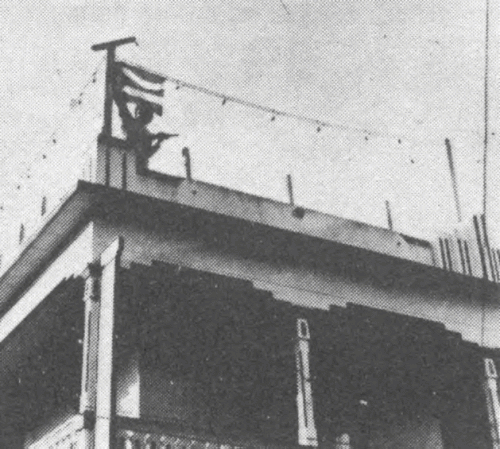
The Nationalists then go to the telephone exchange and cut the lines to the rest of the island.
They then burn the U.S. Post Office and march to the town square. There, they raise Puerto Rican flag off of a hotel balcony and declare Puerto Rico a free Republic.
From press reports: “The other epicenter is a short distance away in Utuado, which is intend to be the uprising’s main base. Thirty-two Nationalists, working in two groups, go to Utuado’s post office and police station.
The group at the post office sets it ablaze. But the other group is intercepted by police before they can reach the station. Following a brief firefight, most of the Nationalists disperse or surrender. But twelve fall back to the home of Damien Torres where they set up barricades.”
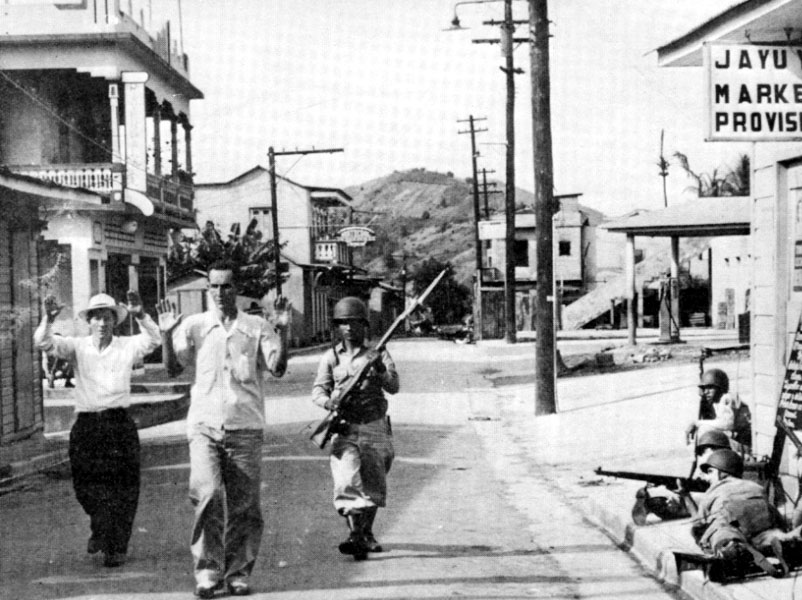
Elsewhere around the island, the uprising is mostly suppressed as the day comes to an end. Gov. Luís Muñoz Marín goes on the radio and condemns the “conspiracy against democracy helped by the Communists.”
He appeals to listeners to “remain serene, since there is no danger that your democratic liberties will be harmed by these fanatics.” He also blames Saturday’s prison break on the Nationalists.
Albizu Campos had designated the town of Utuado as the rendezvous point for all Nacionalistas to converge.
He chose Utuado as the Nationalists’ main line of resistance, believing its geographical location and the area’s topography would allow the Ejército Libertador to resist for at least a month.
In that time, they expected to gain enough international attention and support to force the General Assembly of the United Nations to intercede in their favor.
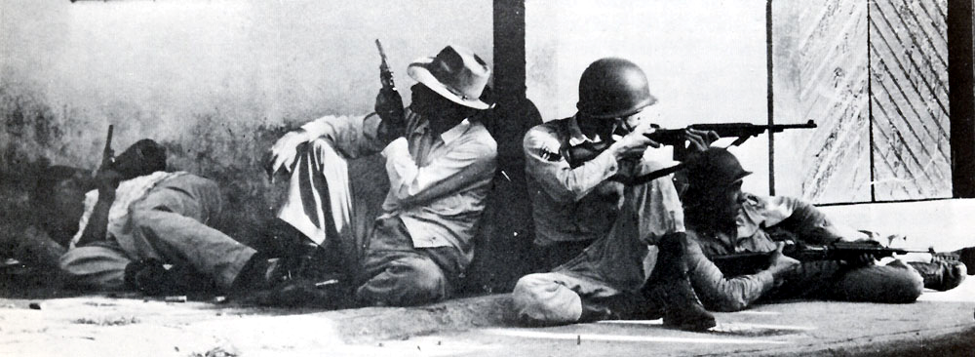
The local Nationalists had attempted to take the town, but after a firefight with the Insular Police, they had to take refuge in a few houses. Aided by the Puerto Rico National Guard, the Insular Police quickly overwhelmed the Nationalists in Utuado during the night of October 30.
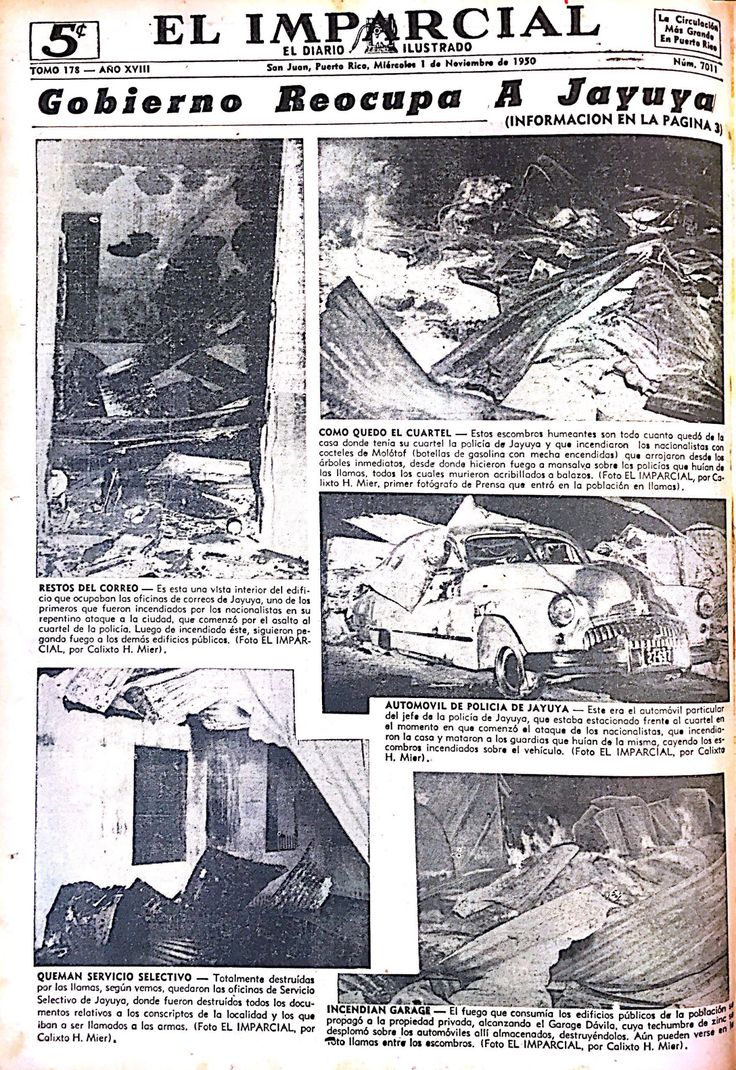
The Nacionalistas, having managed to take and briefly hold the central mountain town of Jayuya, proceeded to burn the Insular Police station, the U.S. Postal Service building, and the equipment and records found in the Selective Service offices.
Just like the other Nationalist cells, the Nacionalistas in Jayuya were supposed to make their way to Utuado, but lack of vehicles, disorganization and the prompt mobilization of the Puerto Rico National Guard prevented them from doing so.
During that first day, Blanca Canales, one of the few women involved in the insurrection, proclaimed the Republic of Puerto Rico atop a hotel.
But in fact, the Nacionalistas in both Jayuya and Utuado were being systematically trapped, and the revolt was coming to a quick end.
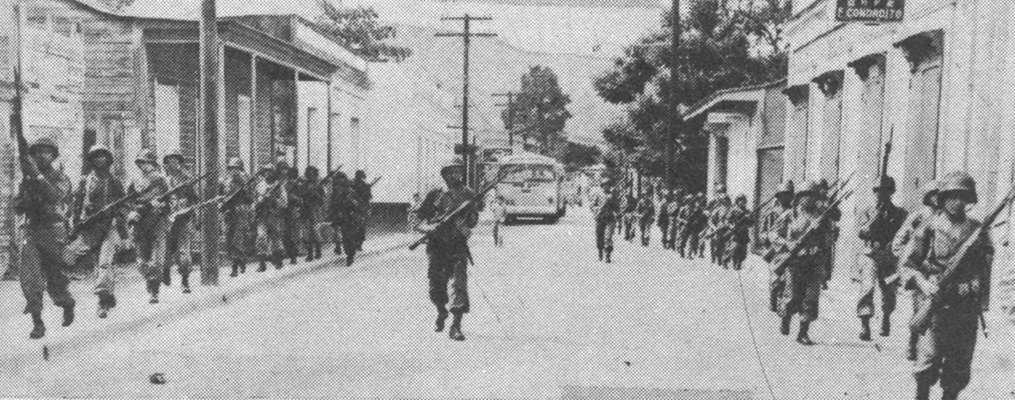
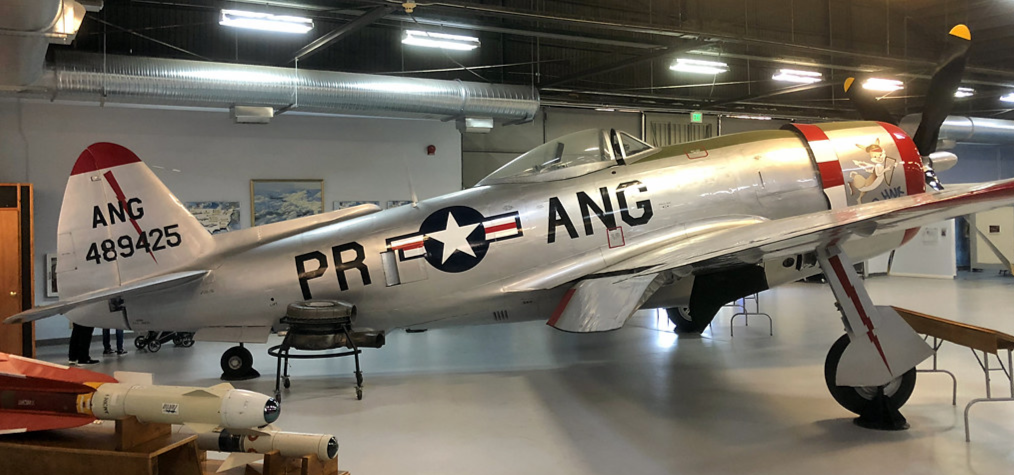
The Puerto Rico Air National Guard bombed and strafed the town as units of the 295th Infantry Regiment of the P.R. National Guard surrounded the nationalists positions.
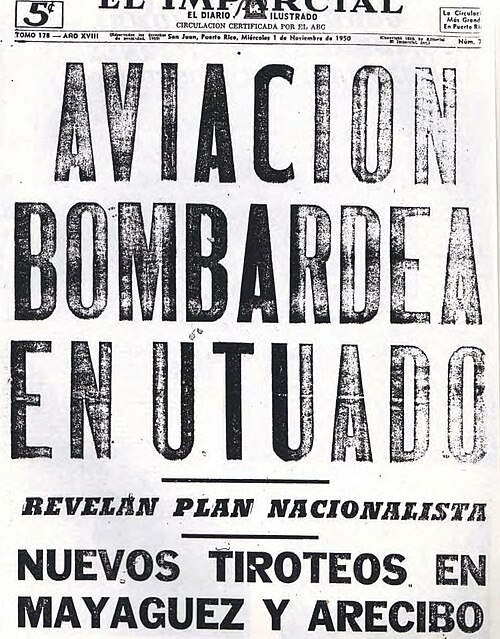
From newsclips: Oct 31: “Utuado uprising: Puerto Rico police and National Guard bombard two town with planes, howitzers, mortars.” The Puerto Rico National Guard and Insular Police launches attacks on two towns still held by the nacionalistas. The violence that broke out throughout the island had been mostly suppressed everywhere except for the central mountain towns of Jayuya and Utuado.
At Jayuya, P-47 Thunderbolts drop 500-pound bombs and strafe the town with machine guns before the National Guard bombarded it with mortars and howitzers. When National Guardsmen enter Jayuya, they find much of the town destroyed.
The Associated Press says “Jayuya looked as if an earthquake had struck it, with several blocks destroyed and most of the other buildings in the town of 1,500 charred by fire.”
In Utuado, the bombing and strafing by P-47s have caused extensive damage.
The Nationalist forces had occupied and defended positions in the mountain towns. The National Guard and police were advancing on them from the ground. The aircraft provided support for that advance.
National Guardsmen, which surrounded twelve Nationalists in a house the day before, demand their surrender. After another volley of gunfire which kills three Nationalists, the nine survivors surrender and are forced to march to the town’s plaza.
From a military standpoint, the pattern is recognizable: air-ground coordination designed to put pressure on a force holding a fixed position while ground troops advance, isolate, and reduce the perimeter. The broader tactical logic is clear. This was not an aerial campaign designed to conquer Puerto Rico. It was air support for a ground operation against an armed insurgent force concentrated in particular towns and positions.
Those Nacionalistas who were able to escape the encirclement fled to the hills.
With the National Guard in close pursuit, and alerted that their leader had surrender in San Juan, the remaining Nacionalistas came down the mountains to surrender on November 2, 1950.
The insurrection was over, but the battle over Puerto Rico would continue.
Continue reading: The Nationalist Revolt and the Creation of the Estado Libre Asociado of Puerto Rico (part three); The Insurrection’s Aftermath
References
[1] The Insular legislature wrote Law 53 (better known as Ley de la Mordaza or Gag Law) and on June 10, 1948, Jesus T. Piñero, as appointed governor of the island, signed it into law. The Gag Law declared a felony to persuade people or to plead for overthrowing the island’s government by violence or force. Printing or publishing any material encouraging people to engage in such activities and creating any kind of organization to carry out any of these acts became felonies under this law. The law, which was derogated in 1957, closely resembled the U.S. Alien Registration Act (also known as the Smith Act) passed by Congress on June 29, 1940. This act made it illegal for anyone in the United States to advocate, abet, or teach the desirability of overthrowing the government. See Luis M. Díaz Soler, Puerto Rico: Sus luchas por alcanzar estabilidad económica, definición política y afirmación cultural, (Isabela, P.R.: Isabela Printing Inc., 1998), 319-323.
[2] Seijo Bruno, La insurreción nacionalista, 83-87.
[3] Periódico el Mundo (San Juan), 31 October 1950; El Imparcial, 31 October 1950.


[…] Read the updated article The Nationalist Revolt and the Creation of the Estado Libre Asociado of Puerto Rico (part two) The B… […]
LikeLike
[…] Previous article: The Nationalist Revolt and the Creation of the Estado Libre Asociado of Puerto Rico (part two) The B… […]
LikeLike
[…] Continue reading: The Nationalist Revolt and the Creation of the Estado Libre Asociado of Puerto Rico (part two) The B… […]
LikeLike