The claim that Trump’s tariffs are “good” because they reduced the trade deficit by 55% is economic sleight of hand.
“‘Thank you, Mr. Tariff!’: The US just posted a massive 55% deficit cut — Trump calls it the ‘biggest drop in history.’ Are tariffs actually working?” reads a headline from Moneywise- and has become a Trump administration and MAGA talking point. This shows the administration’s and Trump’s followers’ poor understanding of economics.
The United States is the largest consumer market on Earth. Of course we run trade deficits with many countries. A trade deficit is not automatically a sign of collapse. It often reflects the fact that:
Americans buy more goods than we manufacture domestically, especially products we either cannot produce efficiently here or no longer produce at scale.
What tariffs actually do is simple: they are taxes on imports paid by American importers, not by China or foreign governments. Even Trump’s own former officials admitted this. Study after study found most of the cost—roughly 90% or more in many sectors—was passed directly to American consumers and businesses through higher prices. Washing machines, electronics, steel, aluminum, auto parts, construction materials, and everyday consumer goods all became more expensive.
So yes, imports can fall after tariffs. But that is not some magical economic victory.
If people cannot afford products because prices went up, imports naturally decline.
That is not prosperity; it is reduced purchasing power.
Saying “the trade deficit shrank” while Americans are drowning in higher grocery bills, rent, medical debt, and credit card balances is like bragging a family reduced its food spending because it can no longer afford groceries.
The irony is that many celebrating tariffs are also living through an affordability crisis:
- Americans now carry over $1 trillion in credit card debt.
- Millions use credit cards for groceries and rent.
- Household debt and interest payments continue rising.
- Inflation compounds the cost of necessities.
Debt matters because when people borrow to survive, they pay interest on top of already inflated prices. Tariffs feed that cycle by increasing costs across supply chains.
And the promise that tariffs would somehow “pay off the national debt” was fantasy from the start.
Even at peak collections, tariff revenues were only a tiny fraction of federal spending and would not even cover one year of interest payments on the national debt. The U.S. government spends trillions annually. Tariff revenues were measured in tens of billions.
That is like trying to stop a flood with a coffee cup.
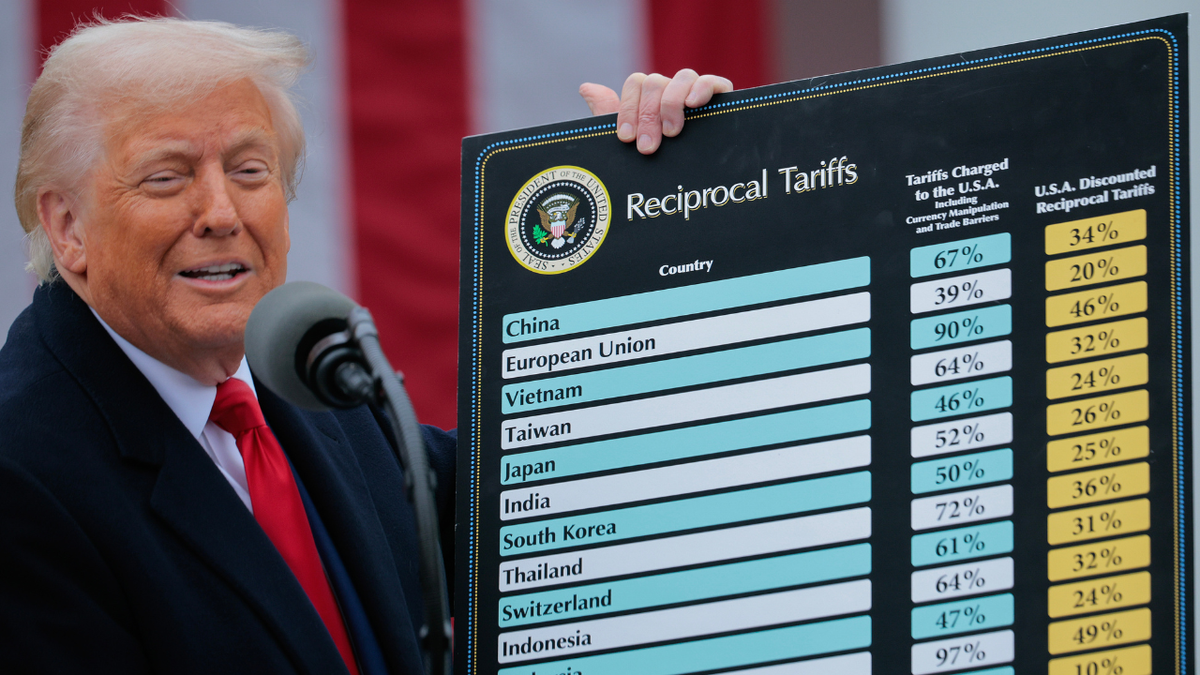
Trump also promised tariffs would bring manufacturing roaring back. But many industries simply cannot be reshored quickly or cheaply. The United States does not currently have the factories, labor force, infrastructure, or supply chains to suddenly replace decades of globalized production. Building that capacity takes years, massive investment, and higher labor costs—which again means higher prices.
Meanwhile, billionaires and corporations still pay lower effective tax rates than many working Americans. So ordinary people end up squeezed from both ends: higher prices through tariffs and a tax system tilted toward the wealthy.
What is especially bizarre is the obsession with trade deficits themselves. That mindset comes straight out of old mercantilist economics (also known as economic nationalism)—the 17th-century idea that exporting more than you import is the measure of national strength.
Economists have spent centuries demonstrating the flaws in that thinking. Modern economies are far more complex than “exports good, imports bad.”
A shrinking trade deficit during periods of slowing consumption or economic stress is not automatically a sign of success. More often than not it simply means people are buying less because they can afford less.
So yes, tariffs can reduce imports. They can reduce trade deficits too.
But if the mechanism is making Americans pay more for goods while increasing inflationary pressure and household debt, that is not economic genius. That is Americans being taxed at the checkout counter while politicians call it patriotism.

