(Originally Published by Centro Voices April 15, 2016)
This week, dozens of aging combat veterans made their way to Washington D.C. Early on the morning of Wednesday, April 13, they completed an almost mandatory circuit taking them from the Tomb of the Unknown Soldier in Arlington National Cemetery to the World War II and Korean War memorials in the National Mall. They took part in wreath laying ceremonies at these monuments–an act of remembrance and respect for those fallen in combat and the ones still missing. Many of the veterans couldn’t contain their tears as the bugle played “Taps”. Who knows where the melody transported them? Did they remember battles fought? Friends lost? The terror of war? The pride they felt for their service? The price they paid in their youth?
This scene is a common occurrence at these sites. Veterans from the many wars this country has fought find their way to these monuments triggering memories of days long gone and reopening unhealed, invisible wounds. This time, the majority of these veterans were Puerto Ricans who fought in the Korean War with the 65th U.S. Army Infantry Regiment—also known as el sesenta y cinco de infantería. Regardless of where they came from they were all Borinqueneers.
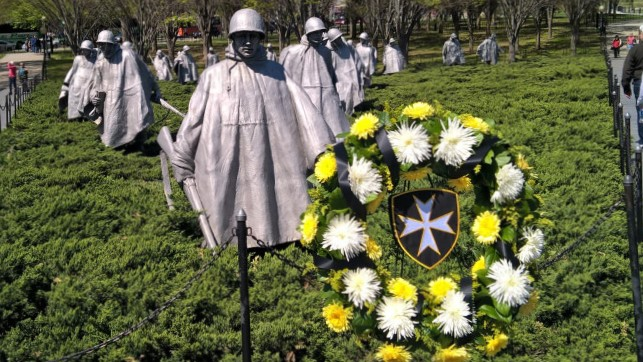
The wreath laying ceremonies were only the beginning of a long day which ended on a high note at Emancipation Hall in the Capitol building. The Borinqueneers were there to witness the unveiling of the Congressional Gold Medal awarded to the regiment on June 10, 2014.
Earning this medal was no small feat. Since the American Revolution, Congress has commissioned gold medals as its highest expression of national appreciation for distinguished achievements and contributions. Since George Washington received it in 1776, only 158 individuals and entities have been awarded the medal to date.
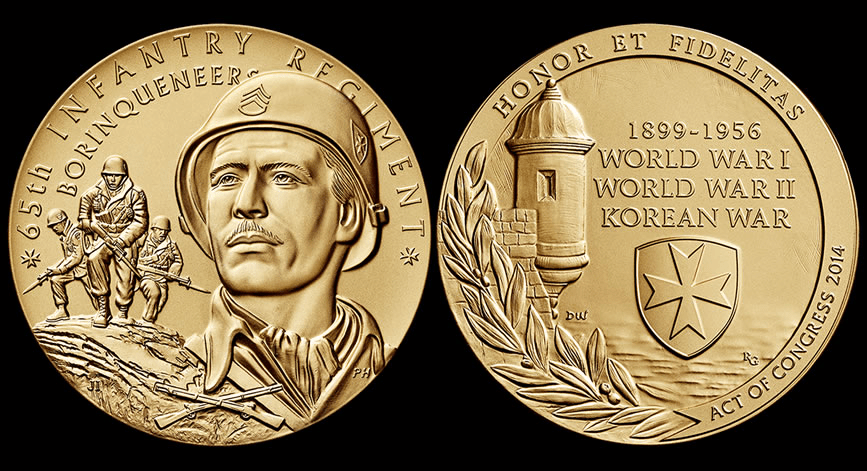
The 65th is the first unit to receive it for service during the Korean War. They join Roberto Clemente, who earned it posthumously, as the only Puerto Rican or Latino CGM recipients.
Think about this for a second; the medal represents the highest expression of national appreciation for distinguished achievements and contributions. What were these men’s contributions and achievements? Why do we honor them today for service performed during a conflict known as the “Forgotten War” more than sixty years ago?
The answers lie in the nature of these men’s service–a service that many times required them to fight on two fronts. They fought relentless North Korean and Chinese soldiers in fierce combat in the hills, valleys, villages and cities of Korea. They also fought discrimination, often times coming from the men supposed to be leading them.
The role of the Puerto Rican soldiers in Korea was as important at the Navajo Code Talkers’, the Tuskegee Airmen’s or the Nisei Regiment’s role in WWII in destroying racial prejudices holding that that non-Whites were inferior men, unfit for combat, and undeserving of equality and self-determination and self-rule.
The 65th Infantry originated as Puerto Rican outfit in the form of the Battalion of Porto Rican Volunteers (May 20, 1899) in the aftermath of the Spanish-American War of 1898. They were regarded as colonial troops, part of the first “American Colonial Army.”
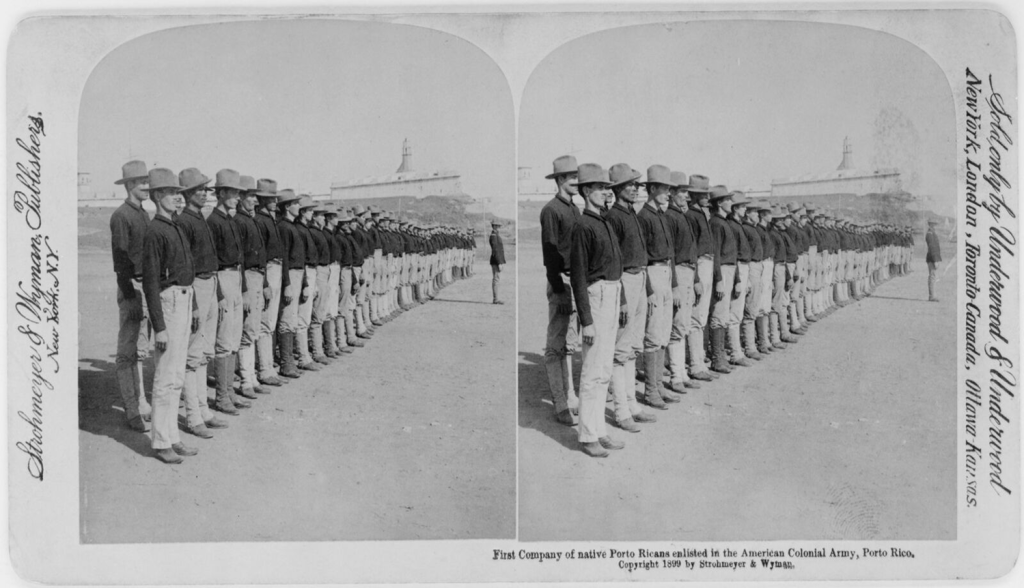
In 1908, and by then a regiment, the unit officially became part of the U.S. Army. It came to be known as the Porto Rican Regiment. During WWI the regiment was sent to the Canal Zone in Panama- far from the European battlefields. In 1920, the unit’s name changed from the Porto Rican Regiment to the 65th Infantry Regiment, United States Army.
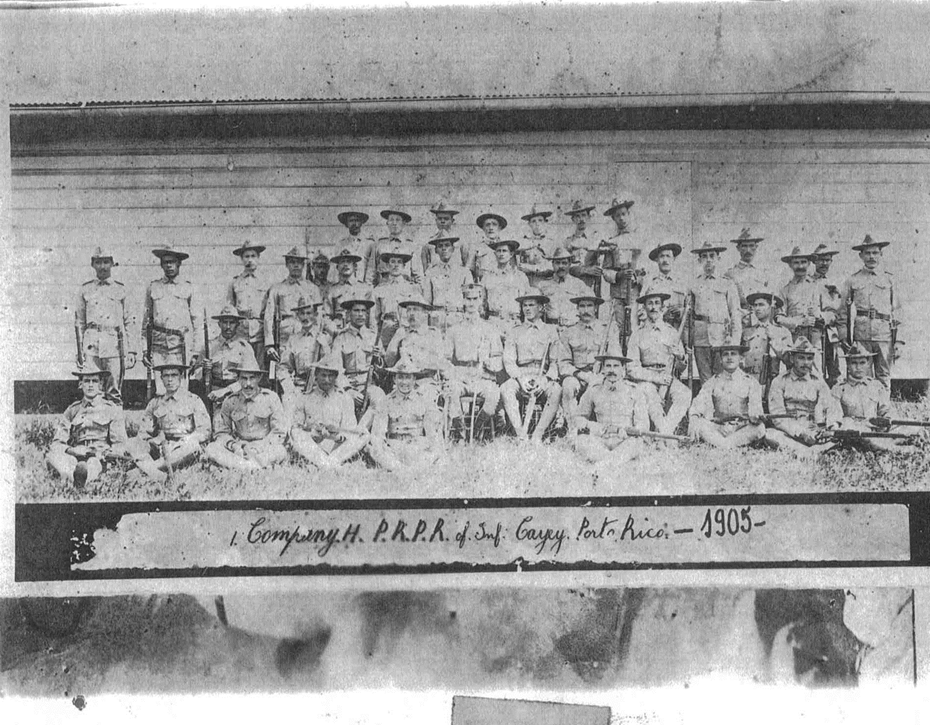
While African American troops saw their role extended during WWII, greatly in part to Black leaders’ involvement in demanding access to combat positions and officers commissions, Puerto Rican units were kept from any assignment that may involve combat.
The 65th served in North Africa and Europe during World War II, but not as first-line troops. Military authorities, reflecting the racial prejudice of the time, kept the regiment far from the front. The military followed a policy of racial segregation in which combat roles, with a few exceptions, were reserved for White troops. The military’s institutional racism had unintended consequences.
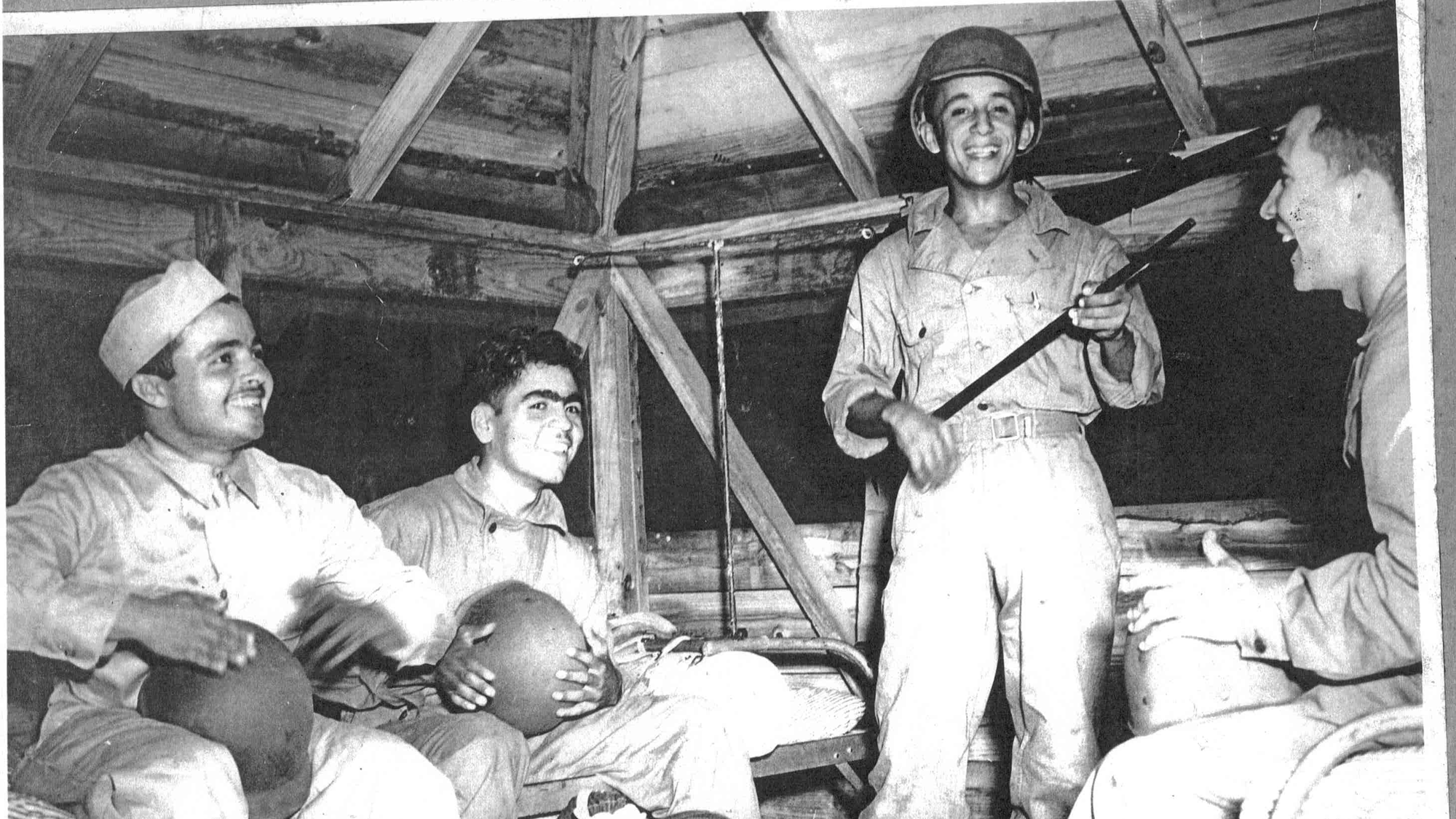
As the 65th was kept from combat it underwent all kinds of training, and its men and officers dutifully prepared for war. Non-combat assignments meant that the Borinqueneers suffered very few casualties throughout the war. By WWII’s end the 65th was a superbly trained and well-disciplined combat regiment.
The story of the 65th could’ve ended right after WWII as the U.S. military rapidly demobilized the 12 million Americans in uniform. There was no reason to keep the “Rum & Coke” outfit around (as the 65th was referred to in derision). The unit was being gradually demobilized.
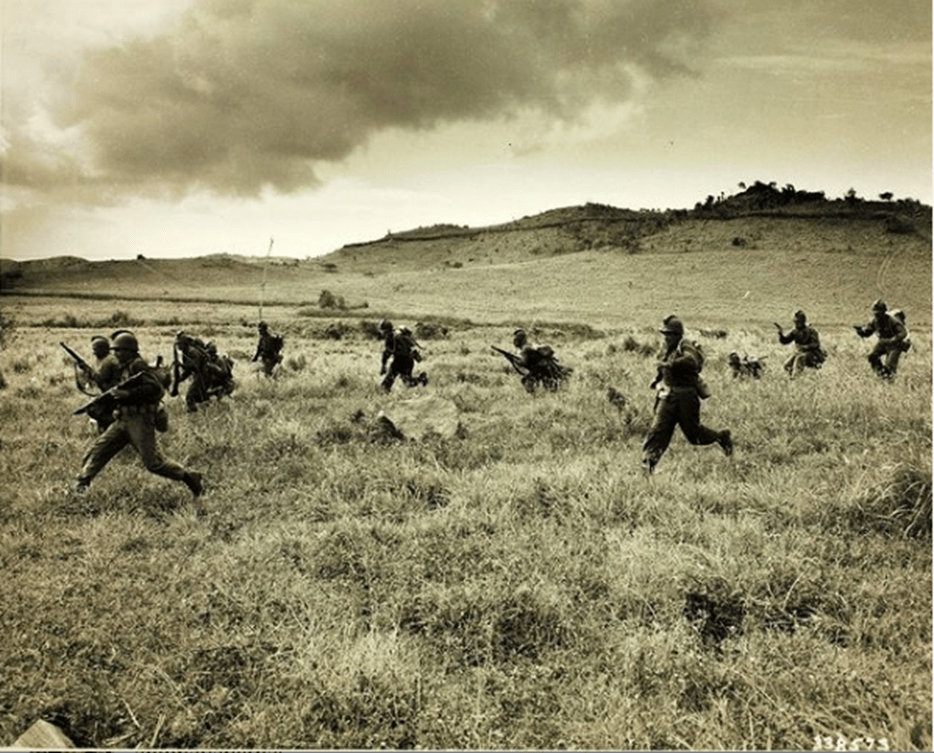
Operation Portrex in Vieques.
However, on June 24, 1950, war broke out in Korea. We know what happened next. An unprepared U.S. military had to scrap the bottom of the barrel to find men and units ready for combat. In Puerto Rico, the National Guard was activated, and the 65th was mobilized and ordered to Korea.
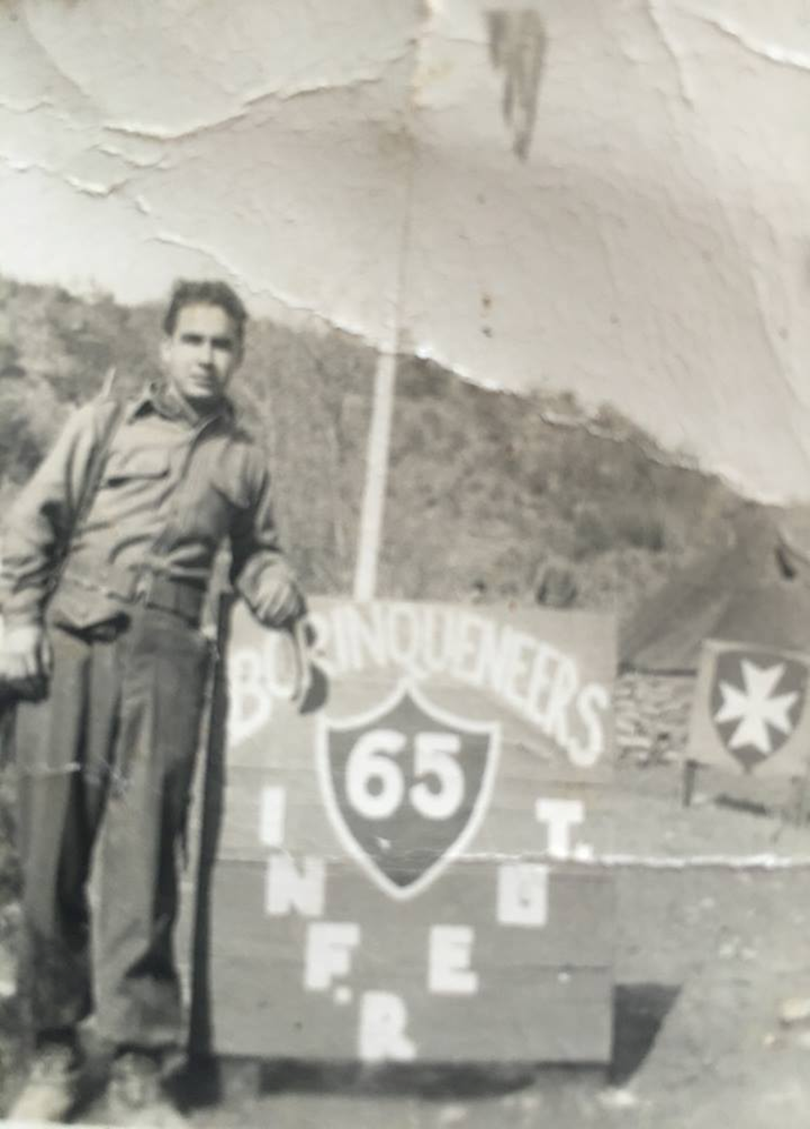
The Borinqueneers were going to war as first-line combat troops, as part of the Army’s 3rd Infantry Division. On October 12, 1950, Puerto Ricans learned that the 65th was fighting in Korea. The island’s newspapers were full of stories and pictures of the soldiers and the ceremonies held previous to their departure. Island-wide, the people of Puerto Rico joined to support the 65th throughout the war.
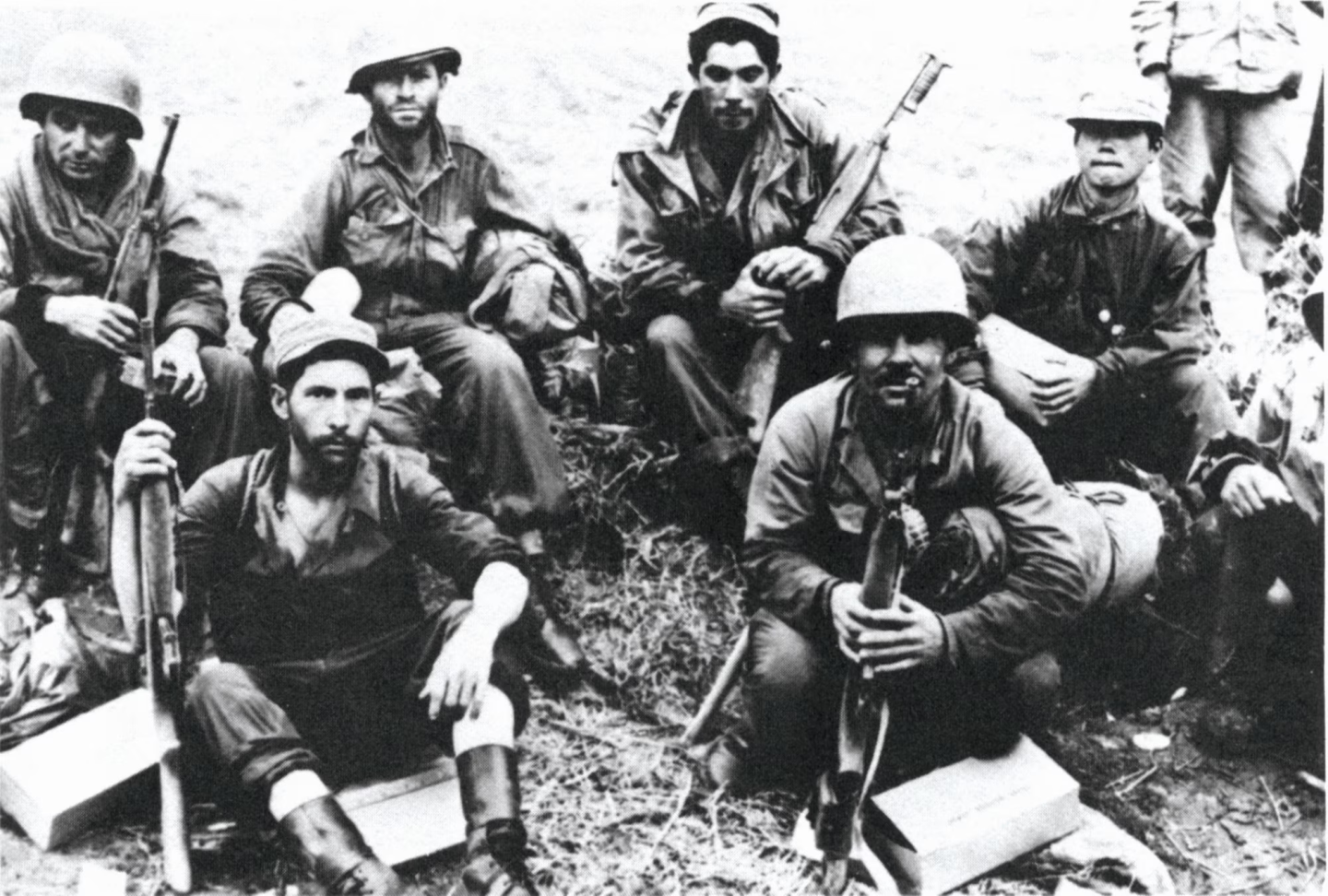
As Puerto Rican Governor, Luis Muñoz Marín often made reference to the men of the 65th in his speeches. The crest of the 65th was displayed in public buses and train cars. Plazas and avenues were named to honor the regiment. Returning soldiers, especially the wounded, were received as heroes and treated to public receptions by government officials. Muñoz Marín himself attended the burials of the fallen and sent his recorded speeches to the troops in Korea. In those early days of the war, there was not a day in which the island’s press failed to write about the Puerto Rican soldiers–and what their actions meant for Puerto Rico.
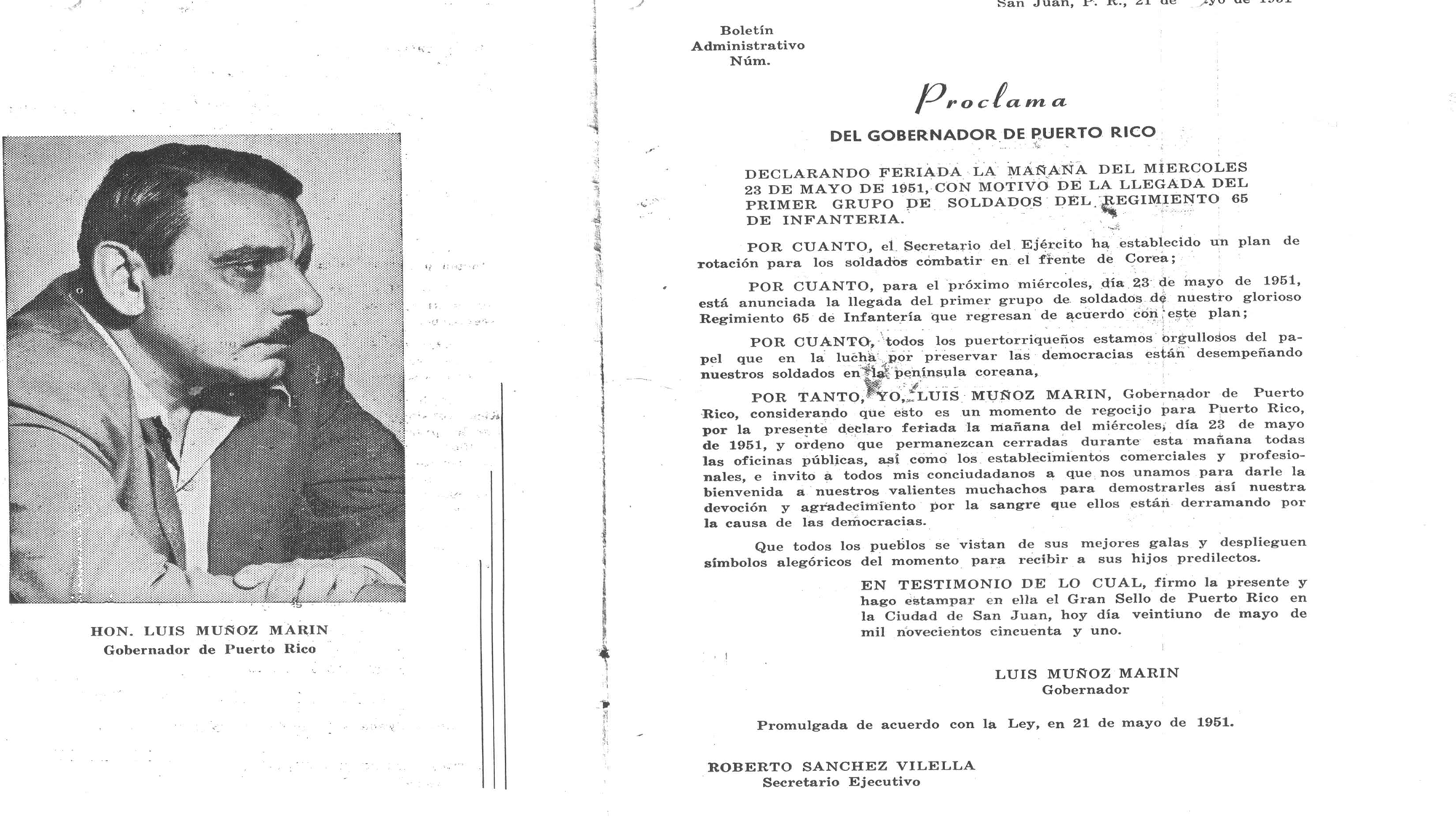
During the war, the 65th became a national icon on the island and among the growing Puerto Rican communities in the mainland. The island-based press and elected officials linked fighting in Korea with decolonization and the commonwealth formula. Moreover, lengthy press editorials and the governor made reference to the 65th as a catalyst for achieving full manhood, forging a modern Puerto Rican, and a modern Puerto Rico.
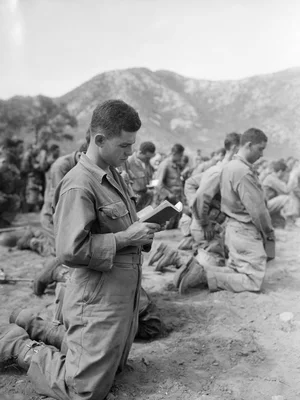
Puerto Rican soldiers attending mass.
Among the growing Puerto Rican colonial in New York the actions of the Borinqueneers and Puerto Ricans were used in what we call nowadays “policies of respectability.” At a time in which mainstream media and social sciences talked openly about the “Puerto Rican problem” as more and more Puerto Ricans migrated to the continental U.S., local publications highlighted the Borinqueneers’ heroics to counter the community’s detractors.
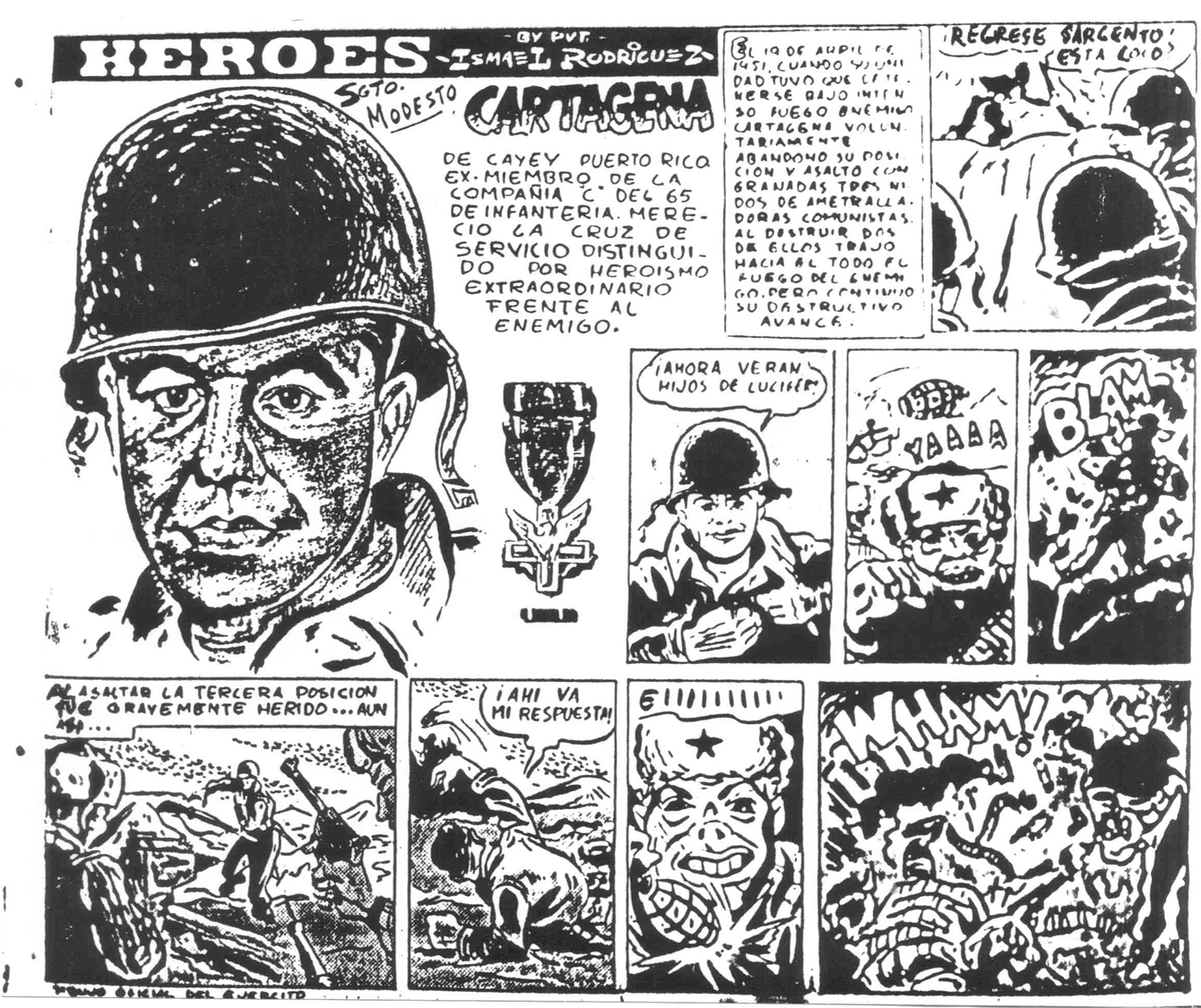
The majority of the 61,000 Puerto Ricans who fought in the Korean War came from the island. Many served with the 65th. The vast majority were volunteers who several times completed the island’s monthly recruiting quota. The chance that of being sent to Korea to join the 65th motivated thousands of Puerto Ricans to volunteer for service both in the mainland and on the island. They paid a heavy price. Throughout the conflict 3,540 Puerto Ricans became casualties of war, of whom 747 were killed in action.
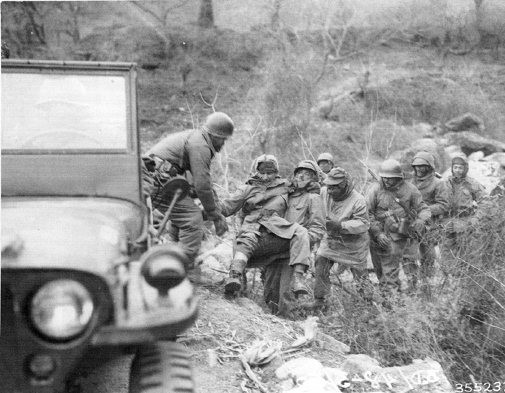
Wounded Puerto Rican soldiers being evacuated.
The odyssey of these men helped established a bridge, and air route between New York and the island, and it helped to ensure the survival of Puerto Rican communities in the eastern seaboard. Recruits and volunteers came mostly from the island. They were transported in cargo ships from Puerto Rico through the Panama Canal and from there to Korea, sometimes stopping in Hawaii and/or Japan before landing in Korea. Their return was different, especially for the wounded and repatriated prisoners of war (POW).
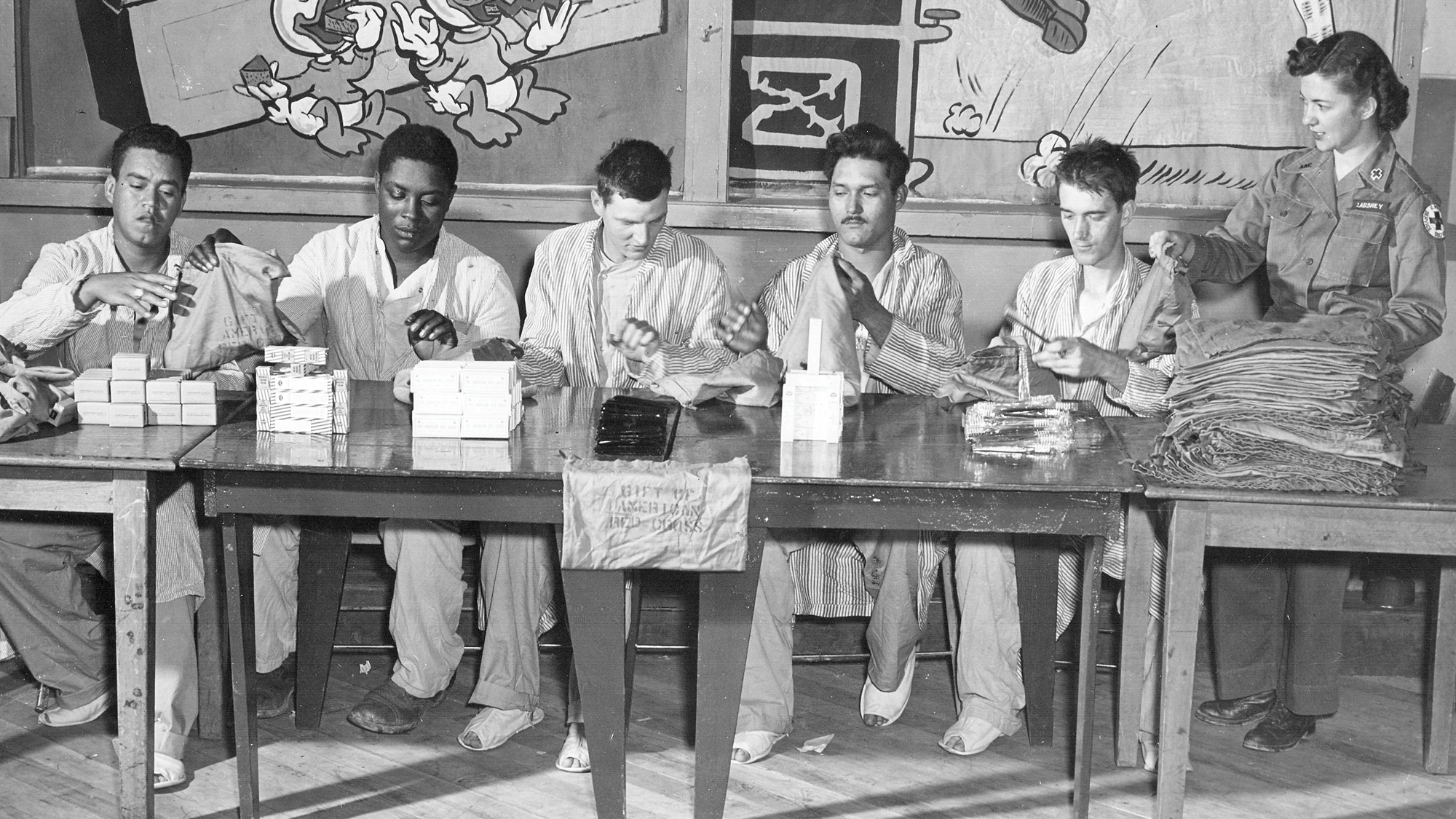
As any other American soldiers, gravely wounded Puerto Rican would be evacuated from Korea and find their way to the continental United States. After a stay in Walter Reed Medical Hospital, most of these men would be returned to Puerto Rico.
Their pilgrimage was one that millions of Puerto Ricans after them would undertake. They would fly from Baltimore to LaGuardia Airport in New York where they would stay for a day or two. Once in New York, the returning soldiers would participate in parades in el Bronx and in Harlem. The city’s mayor would usually meet them along with city and community leaders and offer the key to the city to them.
Their heroics were highlighted in articles next to news on the persecution of Puerto Ricans from Brooklyn to el Bronx. Moreover, they would return to the island aboard recently refurbished planes now flying for Eastern Airlines. This firm flew many soldiers, free of charge, to the island. The airline’s advertisement for the new non-stop flights from San Juan to New York dotted the Puerto Rican and Latino press in the city.
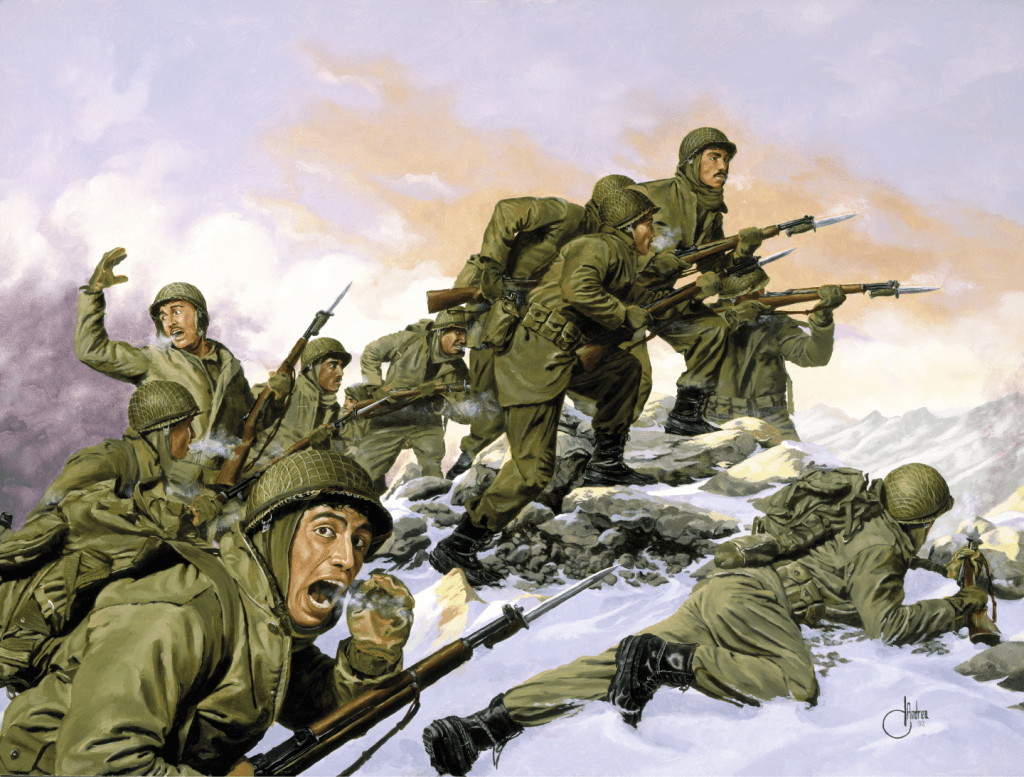
U.S. Army commemoration of the 65th Infantry Regiment carrying out the last major bayonet charge in U.S. Army history (Feb, 2 1951).
The actions of the Borinqueneers during the first half of the war elevated them to iconic status- living proof of what Puerto Ricans could do when given the opportunity, showing they were second to none, inferior to no one.
Then, tragedy struck.
The replacement of highly-trained, combat-hardened troops with poorly trained—yet enthusiastic—recruits who spoke little English; an acute dearth of bilingual sergeants (the backbone of the American military); and new Continental officers that did not speak Spanish (some of whom openly showed their disdained for Puerto Rican soldiers) led to tragic events during the battles of Outpost Kelly and Jackson Heights in the autumn of 1952.
The back-to-back debacles were followed by a series of mass court martial in which eighty-seven enlisted men and one Puerto Rican officer received sentences ranging from six months to ten years, and total forfeiture of wages and dishonorable discharges for charges varying from willful disobedience of a superior officer to cowardice before the enemy.
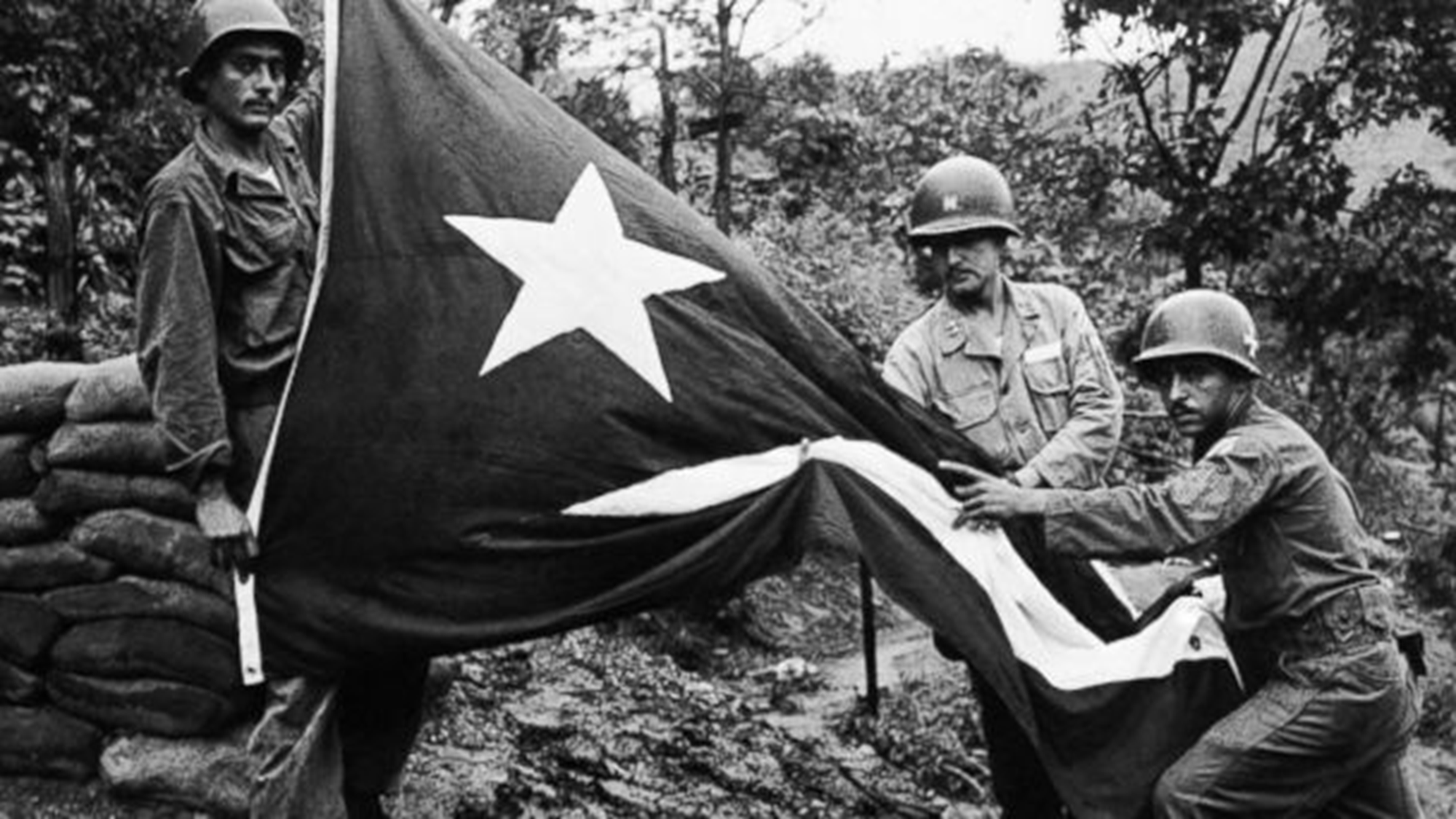
In 1953, the Secretary of the Army reviewed the cases and remitted the unexecuted portions of the sentences of all but four of the accused. The soldiers who had their sentences remitted were returned to duty. On March 4, 1953, an Army spokesman announced that the Army had decided to integrate the 65th Infantry with Continental troops, and to redistribute to other units the excess Puerto Rican troops. The 65th would no longer be a Puerto Rican unit. Despite the soldiers’ objections the regiment was quickly integrated as planned.
In 1954, the 65th Infantry returned to Puerto Rico and was reconstituted as an all-Puerto Rican formation. The island had its regiment back, but not for long. It was deactivated in 1956.
Colonel César Cordero, who had led the 65th during the tragic battle for Outpost Kelly, led a campaign that culminated with the reactivation and transfer of the 65th from the Army to the Puerto Rico National Guard in 1959. Unlike its participation during the war, this event received scant publicity and soon the Borinqueneers and their epic ordeal faded into a distant and distorted memory–the forgotten heroes of a forgotten war.
But today, on April 13, 2016 el sesenta y cinco was awarded the highest accolade Congress can bestow. The Borinqueneers went from forgotten soldiers who had to face both the enemy and discrimination, to heroes earning praise from the leaders of Congress and the military.
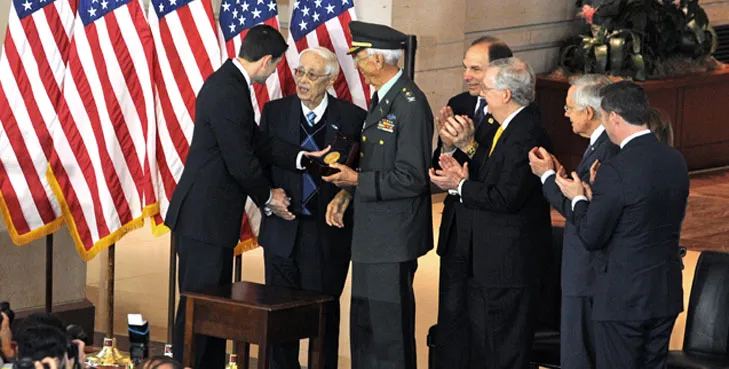
In his closing speech, Speaker of the House Paul Ryan commented that “it takes a certain caliber of men” to fight for a country “that discriminates against you.”
Dr. Barry Black, the Chaplain of the United States Senate asked God for forgiveness for segregating the Puerto Rican soldiers and for being slow in recognizing their sacrifice and heroism. Every speaker had honest and overdue praise for these men.
It has always puzzled me that the efforts to recover the history of the Borinqueneers and to restore their record came mostly from members of the Puerto Rican diaspora. Today, I understood why.
As the United States Army Band played “En mi Viejo San Juan,” (the unofficial anthem of a Diaspora dreaming of a return to Borinquen) the ceremony attendees, veterans, their relatives, and new generations of Puerto Rican soldiers, joined and sang along the band. Many wept. The faces of the members of Congress present made me think that they had never seen such a display of national pride. It did not matter where these soldiers were sent, what task they were asked to perform, they never stopped being Borinqueneers and carrying a bit of Puerto Rico everywhere they went.
I interviewed several of them, and, while proud of their service and of the recognition they were receiving, they could not help but to be humble and simply stated that they were just doing their duty. But they did more than that. During the Korean War they carried a heavy burden as the hopes for a new Puerto Rico and winning acceptance for the growing Diaspora rested largely on their performance in combat. And they did their best, many times against all odds, even if it was not always recognized.
Their numbers are dwindling. Roughly a thousand of them remain. Eventually, all will be gone but not forgotten, they will not fade away. Let’s take over their burden and make sure that their sacrifices were not in vain, let’s make sure that their legacy survives and continues to inspire new generations of Puerto Ricans.
_________________________________________________________________________
NOTE: This piece was written on the very evening of the unveiling ceremony—after a full day shadowing the veterans, interviewing more than a dozen Borinqueneers, standing beside their families, and attending every ceremony and gala alongside a film crew from the Center for Puerto Rican Studies. It was not written from a distance. It was written from proximity—after looking these men in the eye, after hearing their stories in their own voices, after witnessing the weight of history settle upon their shoulders once more.
To have interviewed these soldiers and their families, and to participate in the recovery of their history, remains one of the greatest honors of my life. Their courage on the battlefield is well documented; their dignity in the face of decades of silence is perhaps even greater.
Since that evening, streets, avenues, and boulevards have been named in their honor. Monuments now stand across the Northeastern seaboard. Parades celebrate them. Schoolchildren learn their name. The 65th Infantry Regiment—the Borinqueneers—are no longer a whispered footnote but a recognized chapter in American and Puerto Rican history.
I re-release this piece today for two reasons.
First, today—February 27, 2026—the Connecticut DMV announced the release of a new license plate honoring the 65th Infantry, the Borinqueneers, and Puerto Rico. This is more than a commemorative plate. It is a public acknowledgment of sacrifice. It is a recognition of families who endured separation, discrimination, and silence. It is evidence that historical recovery matters—that when truth is restored, public consciousness follows.
I honestly lost track of how many relatives, friends, colleagues and even strangers shared the news with me. A heartfelt thank you to all of you for remembering them.
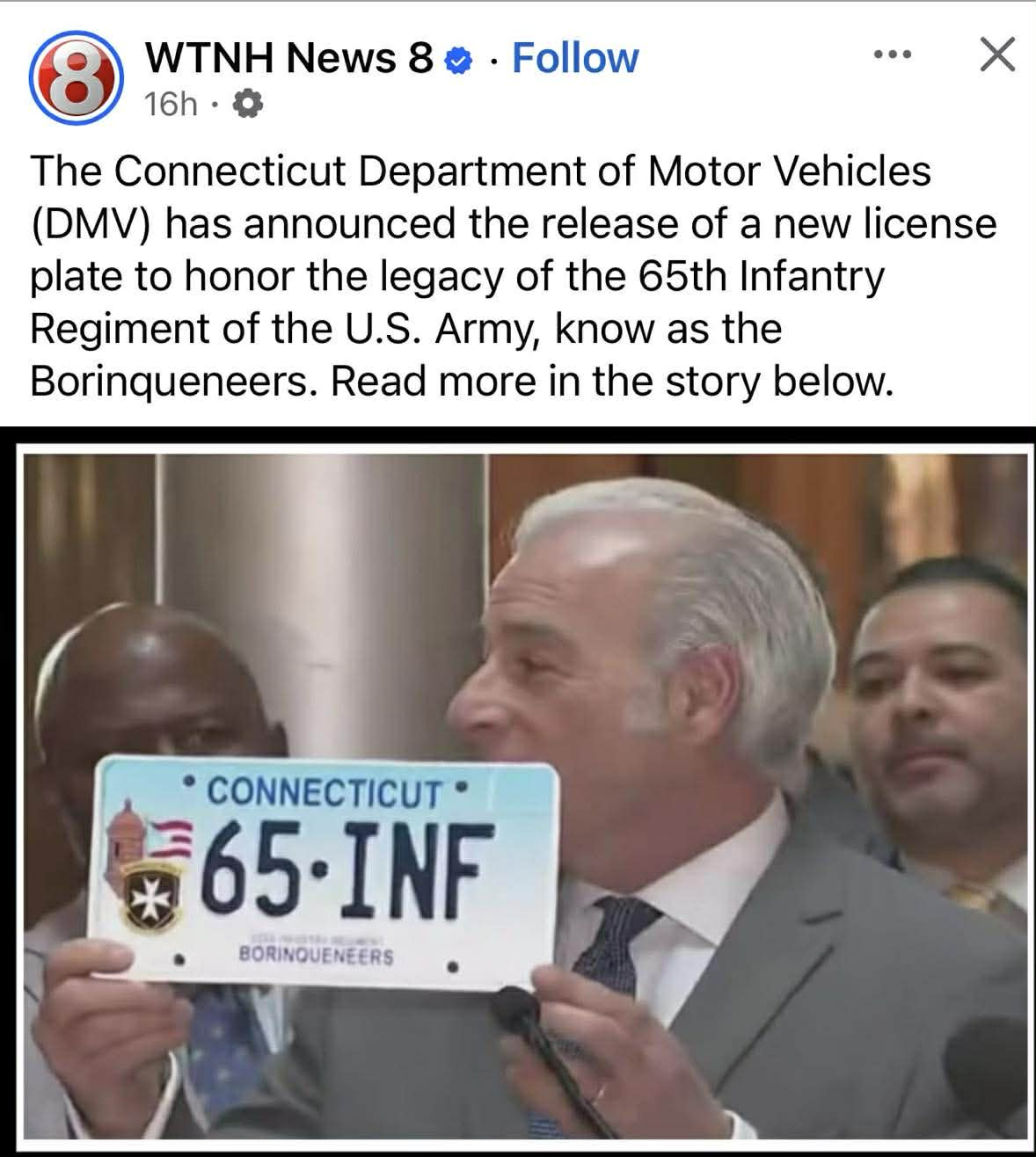
Second, the original article was one of scores of pieces about the Borinqueneers and other Puerto Rican veterans that were removed from the public record by the Center for Puerto Rican Studies. These were not marginal stories. They documented the ordeal, the court-martials, the resilience, and the long struggle for recognition. They preserved testimony at a moment when many of these veterans were still alive to bear witness.
It is painful—deeply painful—that these Puerto Rican heroes, ignored and forgotten for so long, now face a different form of erasure. And that this erasure comes from an institution dedicated to preserving Puerto Rican history makes the loss even more troubling.
As a graduate student and junior scholar, I was repeatedly asked, “Who cares?” when I chose to research Puerto Ricans in the armed forces. The question was not innocent; it reflected a longstanding marginalization within both academia and Puerto Rican Studies itself. For too long, the military service of Puerto Ricans has been dismissed as politically inconvenient, ideologically uncomfortable, or simply unworthy of study.
But history is not a menu from which we select only the narratives that align with our preferences. The story of Puerto Rican veterans is not peripheral—it is central to understanding migration, citizenship, colonialism, race, masculinity, sacrifice, and belonging. To erase them is to erase a vital dimension of the Puerto Rican experience.
Recovering their history was an act of scholarly responsibility. Releasing this piece again is an act of historical preservation.
The Borinqueneers fought on frozen hills in Korea for a country that often questioned their language, their culture, their citizenship, and their worth. The least we can do is ensure their story is never again buried in silence—whether by neglect or by design.
Their history matters. Their sacrifice matters. And those who labored to recover their story will not allow it to disappear quietly.
 in cOHERENT Thoughts